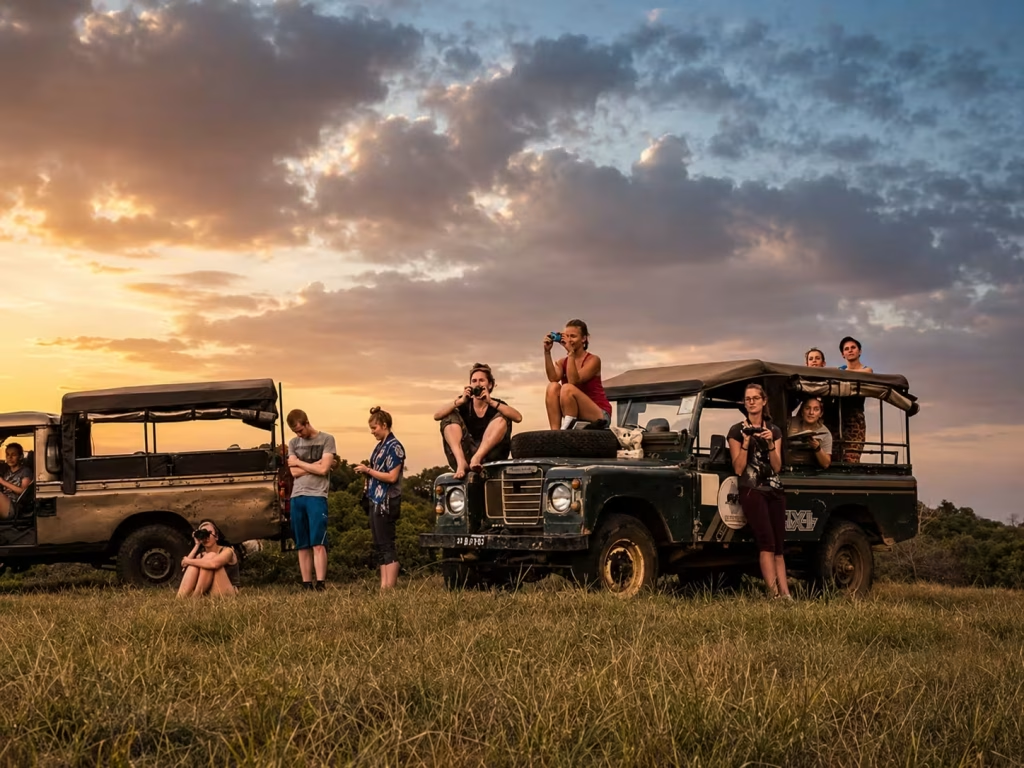
Wasgamuwa National Park is one of Sri Lanka’s quieter elephant and birding destinations. The park lies in the central-eastern dry zone and was established in 1984 in connection with the Mahaweli Development Project to provide habitat for wildlife affected by large irrigation schemes.
Sri Lanka Tourism highlights Wasgamuwa for elephant herds, high biodiversity, riverine forest and birdlife. Compared with Yala or Minneriya, it receives less international attention, which can make the safari atmosphere feel more relaxed.
Where is Wasgamuwa?
The park lies between Matale and Polonnaruwa districts, with access from roads connecting the central and north-central regions.
Because accommodation is more scattered than around Yala, confirm your chosen entrance and driving time before booking.
Why the park was created
Wasgamuwa was designated partly to protect animals displaced or affected by the Mahaweli development and related irrigation projects.
This history shows how national parks can serve both conservation and landscape-management roles.
Elephants
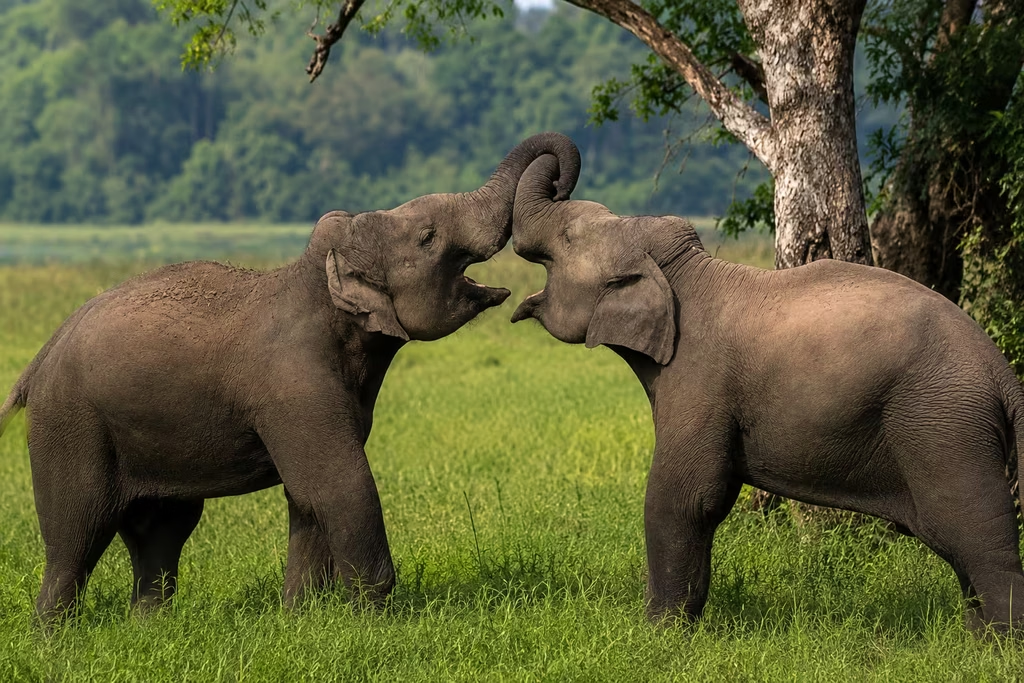
Wild Asian elephants are one of the main attractions, and groups may be seen around grasslands and water areas.
Elephant movement changes seasonally, so numbers vary from month to month.
Seasonal movement
Sri Lanka Tourism notes that elephant herds may be especially visible during part of the year, with movement toward other north-central parks in other seasons.
Ask current local guides about recent conditions rather than expecting a fixed annual pattern.
Birdlife
The park supports rich bird diversity, including endemic species, raptors and waterbirds.
Binoculars are strongly recommended because Wasgamuwa is excellent for visitors who want more than large mammals.
Riverine forest
Forest along rivers and reservoirs provides shade and wildlife habitat. The Mahaweli river system influences the wider ecological character of the region.
Watch for birds, monkeys and other animals moving through these greener corridors.
Other mammals
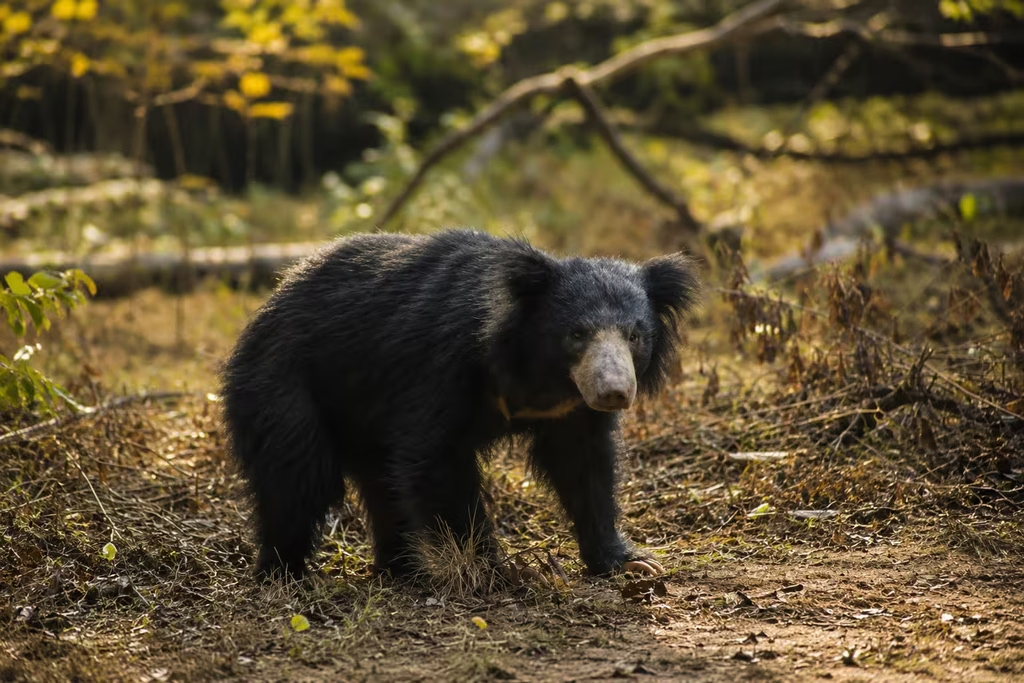
Bears, Deer, buffalo, monkeys and smaller mammals are more commonly seen, while leopard and sloth bear are present but much harder to encounter.
Do not judge the park by rare predator sightings.
Morning or afternoon safari?
Early morning is comfortable and excellent for birds. Late afternoon can provide good elephant activity and warm light.
Local weather and recent wildlife movement should guide the decision.
Safari vehicles
Use a reputable jeep operator who understands the park’s roads and respects wildlife distance.
A quiet driver who stops for birds and tracks often provides a better experience than a fast vehicle chasing rumors of elephants.
Photography
A moderate telephoto lens is useful for elephants and birds. The park’s open grassland and forest edges also support wider environmental images.
Protect equipment from dust and keep all gear inside the vehicle.
What to bring
Carry water, sun protection, binoculars and lightweight clothing. A scarf can help with dust on dry roads.
Bring snacks in reusable containers and carry all waste out.
Combining Wasgamuwa with the Cultural Triangle
Wasgamuwa can fit into itineraries connecting Kandy, Matale, Dambulla and Polonnaruwa.
Because road travel is slower than it looks on a map, avoid combining a long archaeological visit and safari without rest.
Responsible elephant watching
Remain inside the jeep and keep a safe distance. Do not feed elephants or encourage drivers to block their movement.
Wild elephants should always have the right of way.
Park permits
As a national park, Wasgamuwa is managed under Department of Wildlife Conservation rules. Entry requires current permits and compliance with park conditions.
Check official information for fees and access arrangements before travel.
| Starting point | Route | Approximate distance to park |
|---|---|---|
| Kandy | Kandy → Hasalaka → Wilgamuwa → Wasgamuwa | ~50 km northeast |
| Dambulla | Dambulla → Bakamuna → Elahera → Laggala-Pallegama → Wasgamuwa | ~70 km |
| Polonnaruwa | Polonnaruwa → Bakamuna → Elahera → Wasgamuwa | ~40 km south |
| Matale | Matale → Laggala → Wilgamuwa → Wasgamuwa | ~60 km |
How long should you stay?
One safari is enough for a first visit, but birdwatchers may appreciate two outings at different times of day.
One or two nearby nights make the visit much less rushed.
Wasgamuwa Weather: 7-Day Forecast
Updated automatically with the latest available forecast for Bakamune, Sri Lanka.
- Rain chance
- 94%
- Rainfall
- 3.8 mm
- Wind
- 12 km/h
- UV index
- 8.0
- Sunrise
- 6:00 AM
- Sunset
- 5:44 PM
- Rain chance
- 100%
- Rainfall
- 5.8 mm
- Wind
- 13 km/h
- UV index
- 7.9
- Sunrise
- 6:00 AM
- Sunset
- 5:45 PM
- Rain chance
- 96%
- Rainfall
- 10.0 mm
- Wind
- 16 km/h
- UV index
- 7.8
- Sunrise
- 6:01 AM
- Sunset
- 5:45 PM
- Rain chance
- 100%
- Rainfall
- 10.9 mm
- Wind
- 7 km/h
- UV index
- 7.0
- Sunrise
- 6:01 AM
- Sunset
- 5:45 PM
- Rain chance
- 100%
- Rainfall
- 59.7 mm
- Wind
- 6 km/h
- UV index
- 7.1
- Sunrise
- 6:01 AM
- Sunset
- 5:45 PM
- Rain chance
- 99%
- Rainfall
- 44.1 mm
- Wind
- 7 km/h
- UV index
- 6.9
- Sunrise
- 6:02 AM
- Sunset
- 5:45 PM
- Rain chance
- 92%
- Rainfall
- 13.8 mm
- Wind
- 6 km/h
- UV index
- 7.9
- Sunrise
- 6:02 AM
- Sunset
- 5:45 PM
Frequently asked questions
Is Wasgamuwa good for elephants?
Yes. Elephants are a major attraction, though herd size and location change seasonally.
Is Wasgamuwa crowded?
It is generally less famous internationally than Yala or Minneriya, which can create a quieter safari experience.
Is it good for birdwatching?
Yes. The park is known for rich bird diversity as well as large mammals.
How long should I stay?
One or two nights is practical for most travelers.
Final planning advice
Check current access, weather, park regulations and transport shortly before your visit. National parks and coastal areas can change their operating arrangements, and wildlife or sea conditions cannot be guaranteed months in advance.
A strong Sri Lanka itinerary leaves room for rest and changing conditions. Spending longer at fewer places usually provides a better experience than combining a major safari, long transfer and several attractions in one rushed day.