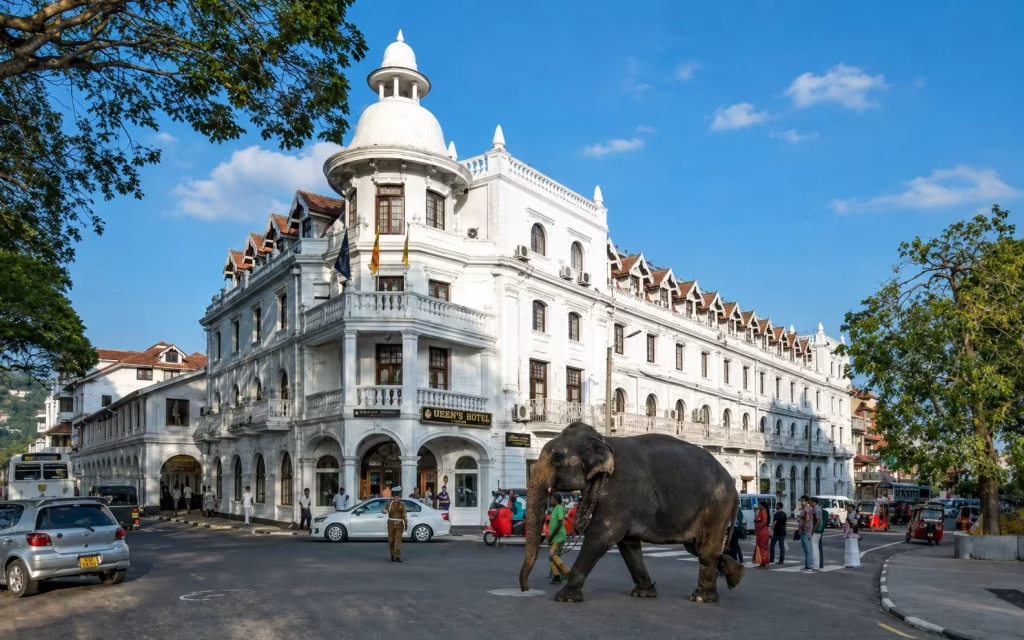
Kandy is one of Sri Lanka’s most important cultural cities and the gateway between the lowlands and central highlands. Set around a lake and surrounded by green hills, the city was the last capital of the Sinhala kings before British rule in 1815. UNESCO recognizes the Sacred City of Kandy as a World Heritage Site and highlights the Temple of the Tooth Relic as its central pilgrimage monument.
For travelers, Kandy can feel busy and congested at first. The city becomes much more rewarding once you understand its layers: royal history, Buddhist pilgrimage, colonial-era change, botanical heritage, dance, crafts and the railway connection into tea country.
Why Kandy is a UNESCO World Heritage Site
UNESCO describes Kandy, historically known as Senkadagalapura, as the last capital of the Sinhala kings and a sacred Buddhist site centered on the Temple of the Tooth Relic.
The city’s religious significance continues today, which means Kandy is not a preserved royal capital frozen in the past. Pilgrims and ordinary residents use the same central spaces visited by tourists.
Temple of the Sacred Tooth Relic
Sri Dalada Maligawa is the city’s most important attraction. The temple houses the sacred tooth relic of the Buddha, one of the most revered objects in Sri Lankan Buddhism.
Visitors normally see the temple complex and ritual spaces rather than the relic itself. Daily ceremonies create a powerful atmosphere, but crowds can be large.
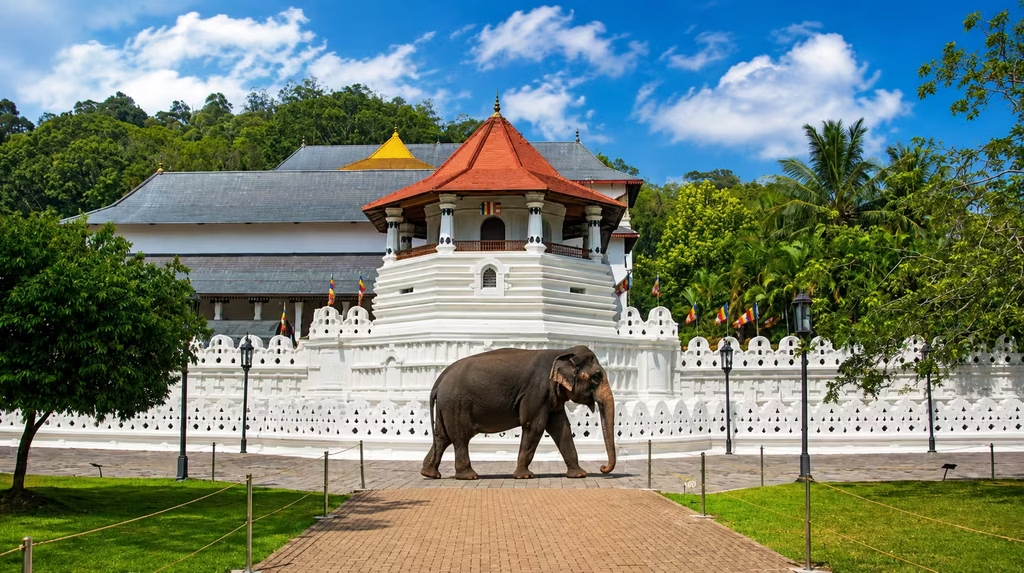
Temple etiquette
Cover shoulders and knees, remove shoes and hats where required and keep voices low. Avoid posing disrespectfully with Buddha images.
During worship, give devotees room. The temple is not simply an architectural attraction.
Kandy Lake
The lake forms the visual center of modern Kandy and provides a useful walking route around part of the city. Views across the water toward the temple and surrounding hills are particularly attractive in the morning and evening.
Traffic runs close to sections of the lake, so use pedestrian paths carefully and watch road crossings.
Royal Palace complex
The Temple of the Tooth stands within the historic royal precinct. Museums and surviving buildings help explain the relationship between monarchy and the sacred relic.
Current access to individual buildings can change, so check locally before planning around a specific museum.
Kandy Esala Perahera
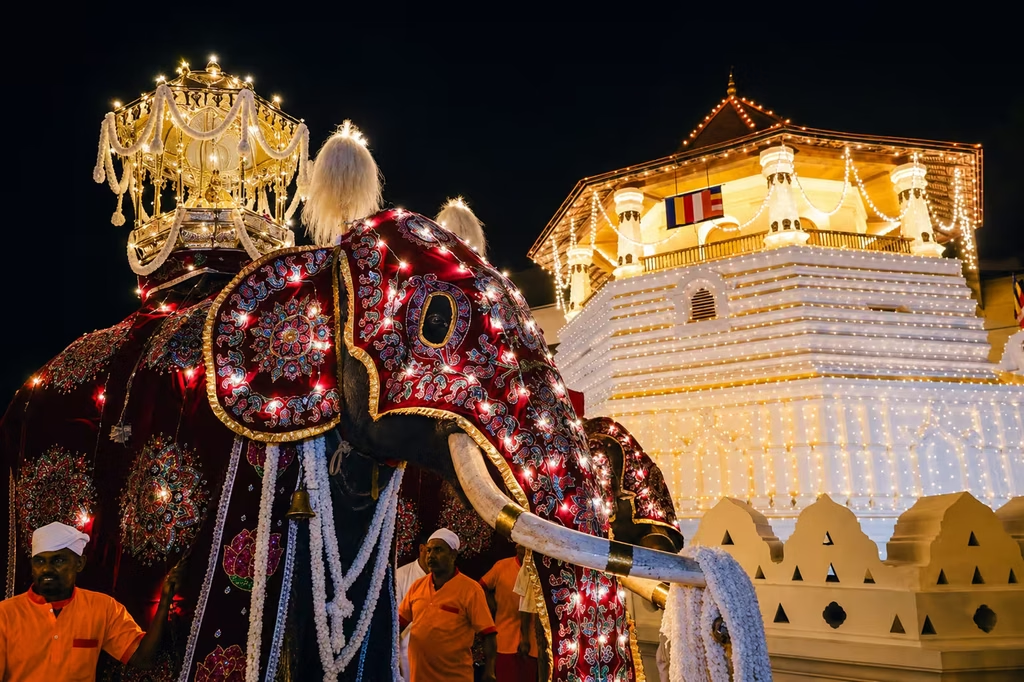
The annual Esala Perahera is one of Sri Lanka’s most famous religious festivals. The procession involves dancers, drummers, torchbearers and ceremonial elements associated with the Temple of the Tooth.
Dates follow the lunar calendar and vary each year. Accommodation and viewing areas can become extremely busy, so advance planning is essential.
Cultural dance performances
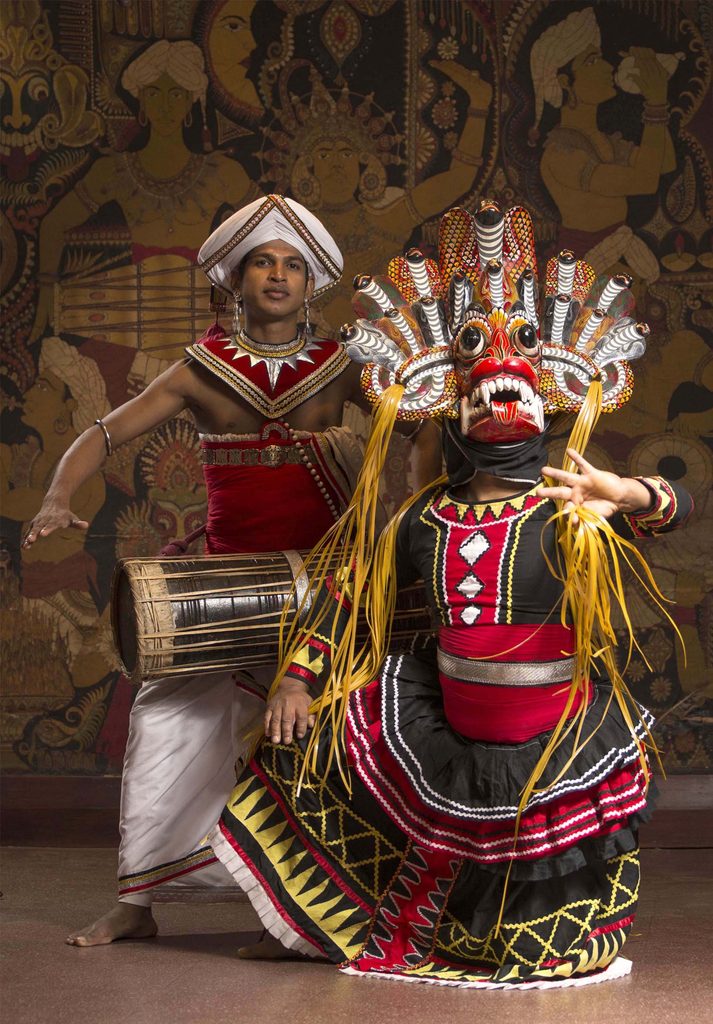
Kandyan dance is often presented to visitors in evening cultural shows. These performances can provide an introduction to drumming, costume and movement traditions.
For deeper understanding, consider a performance that provides interpretation rather than only rapid entertainment.
Royal Botanic Gardens, Peradeniya
Peradeniya is one of Sri Lanka’s major botanical gardens and is easily reached from Kandy. The collection includes palms, orchids, mature tropical trees and broad landscaped lawns.
Allow several hours. The garden is large enough that a short photo stop misses much of its character.
Udawattakele Forest Reserve
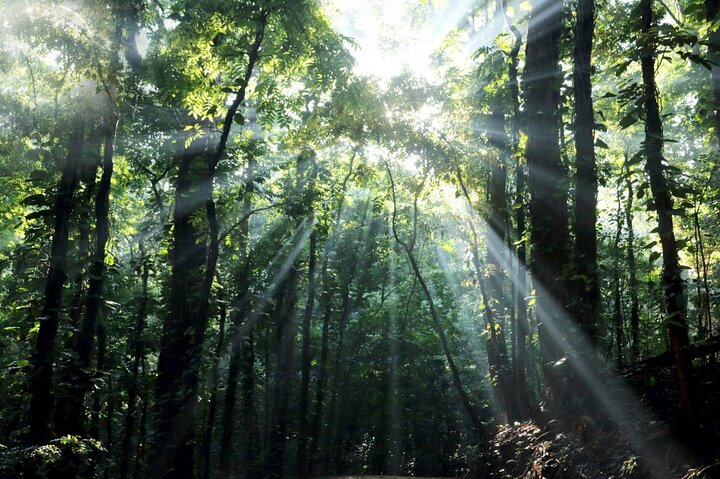
Udawattakele rises behind the Temple of the Tooth and offers forest walking surprisingly close to the city center. It can provide a welcome break from traffic and shops.
Follow current access rules and carry water. Forest paths may be slippery after rain.
Kandy’s markets and food
The city center contains markets, bakeries, rice-and-curry restaurants and sweet shops. Try local food rather than eating only in hotel restaurants.
Kandy also works as a good place to buy tea, crafts and textiles, though expensive gems or jewelry should be purchased only from reputable sellers.
Traditional crafts
The Kandyan region has strong associations with wood carving, metalwork, lacquerware and handloom weaving. Craft shopping can add cultural depth if visitors learn about production rather than buying anonymous souvenirs.
Train travel from Kandy
Kandy is a major starting point for the famous hill-country railway toward Nanu Oya, Haputale, Ella and Badulla.
Reserved seats are useful during busy periods. Leave buffer time because train schedules can be delayed.
How many nights?
Two nights allow the temple, lake and Peradeniya. Three nights are better if you want Udawattakele, museums, crafts or a slower pace.
A single-night stop often feels rushed, especially if arrival and departure are both by train.
Sample two-day itinerary
On day one, visit the Temple of the Tooth and royal precinct, walk part of Kandy Lake and attend a cultural performance if interested. On day two, spend the morning at Peradeniya and the afternoon at Udawattakele, a museum or craft experience.
This separates major attractions and reduces repeated traffic crossings.
Traffic and getting around
Kandy’s roads can become congested. Walking works well in the central core, while tuk-tuks or ride-hailing services are useful for Peradeniya and hillside accommodation.
Do not choose a hotel only by straight-line distance. A property on a steep hill may require transport even if it appears close to the lake.
Weather
Kandy is warmer than Nuwara Eliya but can be humid and rainy. Carry a light rain layer and comfortable shoes.
Afternoon showers are not unusual, so place outdoor activities earlier when possible.
Kandy Weather: 7-Day Forecast
Updated automatically with the latest available forecast for Kandy, Sri Lanka.
- Rain chance
- 55%
- Rainfall
- 0.6 mm
- Wind
- 10 km/h
- UV index
- 8.2
- Sunrise
- 6:00 AM
- Sunset
- 5:46 PM
- Rain chance
- 98%
- Rainfall
- 4.6 mm
- Wind
- 7 km/h
- UV index
- 8.2
- Sunrise
- 6:00 AM
- Sunset
- 5:46 PM
- Rain chance
- 100%
- Rainfall
- 2.0 mm
- Wind
- 6 km/h
- UV index
- 7.0
- Sunrise
- 6:01 AM
- Sunset
- 5:46 PM
- Rain chance
- 100%
- Rainfall
- 84.5 mm
- Wind
- 9 km/h
- UV index
- 8.0
- Sunrise
- 6:01 AM
- Sunset
- 5:46 PM
- Rain chance
- 100%
- Rainfall
- 32.1 mm
- Wind
- 9 km/h
- UV index
- 8.1
- Sunrise
- 6:02 AM
- Sunset
- 5:47 PM
- Rain chance
- 86%
- Rainfall
- 18.6 mm
- Wind
- 11 km/h
- UV index
- 8.0
- Sunrise
- 6:02 AM
- Sunset
- 5:47 PM
- Rain chance
- 78%
- Rainfall
- 0.6 mm
- Wind
- 8 km/h
- UV index
- 7.9
- Sunrise
- 6:03 AM
- Sunset
- 5:47 PM
Responsible cultural travel
Respect worshippers, dress rules and photography restrictions at the temple. Avoid buying questionable antiques or wildlife products.
Support local guides, performers and craft producers who can explain the traditions they represent.
Frequently asked questions
Is Kandy a UNESCO World Heritage Site?
Yes. UNESCO inscribed the Sacred City of Kandy for its historical and Buddhist religious significance.
How many days do I need?
Two days cover the major highlights; three days provide a more comfortable cultural and nature-focused visit.
Is the Temple of the Tooth open to non-Buddhists?
Visitors are generally welcome subject to current rules, dress requirements and security procedures.
Is Kandy a good base for the hill country?
Yes. It is a major rail and road gateway toward Nuwara Eliya, Haputale, Ella and Badulla.
Final planning advice
Check current access arrangements, transport conditions and weather shortly before travel. Opening times, visitor rules and local services can change, especially at religious sites, protected areas and seasonal attractions. Keep enough flexibility in your schedule to adjust without rushing.
A professional Sri Lanka itinerary should balance major sights with rest, meals and realistic road time. Spending longer at fewer places usually creates a more memorable experience than collecting photographs from many destinations in a single day.