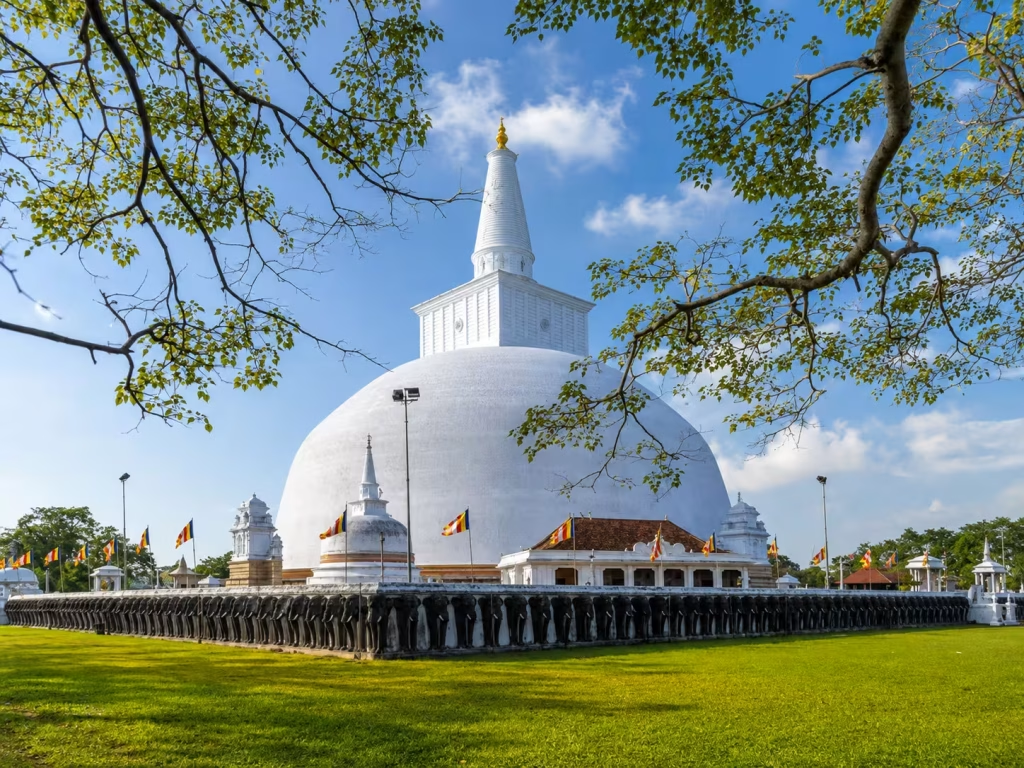
Ruwanwelisaya is one of the most sacred Buddhist monuments in Sri Lanka and one of the defining landmarks of Anuradhapura. The immense white stupa stands within the ancient Mahavihara monastic landscape and remains an active center of pilgrimage more than two thousand years after its original construction.
Sri Lanka Tourism identifies Ruwanwelisaya as one of Anuradhapura’s Eight Sacred Places and associates its construction with King Dutugemunu in the second century BCE. Buddhist tradition holds that important relics of the Buddha were enshrined within the stupa.
Where is Ruwanwelisaya?
The stupa lies in the sacred city of Anuradhapura between the Jaya Sri Maha Bodhi area and other major monuments such as Thuparamaya.
It is easy to combine geographically with the sacred Bodhi tree during the same morning or evening.
King Dutugemunu
Ruwanwelisaya is closely associated with King Dutugemunu, one of the most famous rulers in Sri Lankan historical tradition.
Chronicles describe the king’s major patronage of Buddhism and his role in beginning the great stupa.
Completion of the stupa
According to traditional accounts, Dutugemunu did not live to see every stage completed. His successor, King Saddhatissa, continued the work.
Later rulers repaired and modified the monument over centuries.
Maha Thupa
The Mahavamsa refers to the monument as the Maha Thupa, or Great Stupa. Other names, including Swarnamali Maha Seya, are also used.
These names reflect the stupa’s exceptional religious importance.
The white dome
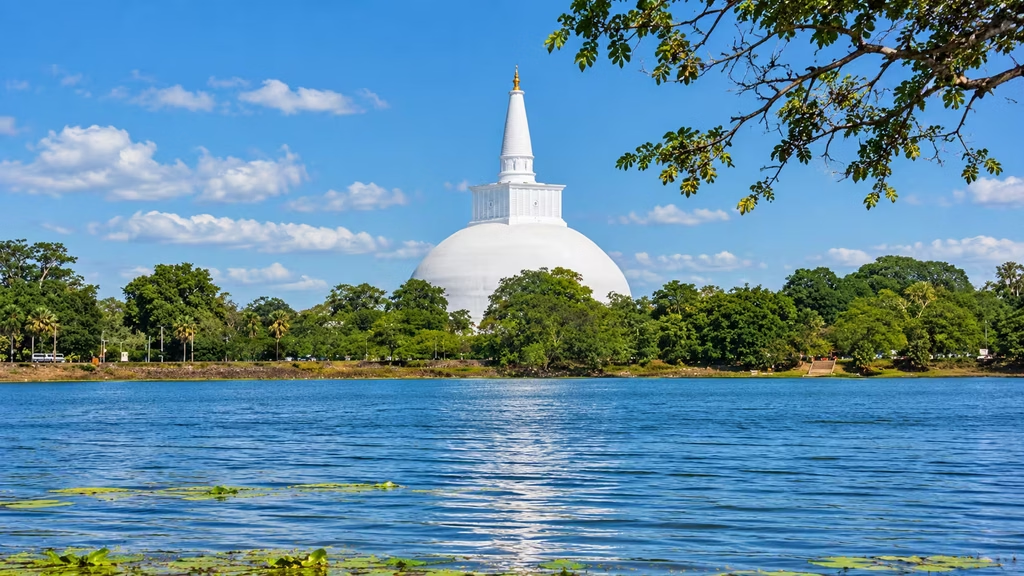
The restored stupa is covered in white, creating a striking visual effect against the blue sky and surrounding sacred grounds.
Early morning and late afternoon are especially beautiful, but the monument’s meaning should not be reduced to photography.
Elephant wall
A famous row of sculpted elephants surrounds part of the stupa platform, symbolically appearing to support the great monument.
Look closely at this architectural detail rather than rushing directly toward the main dome.
Pilgrimage
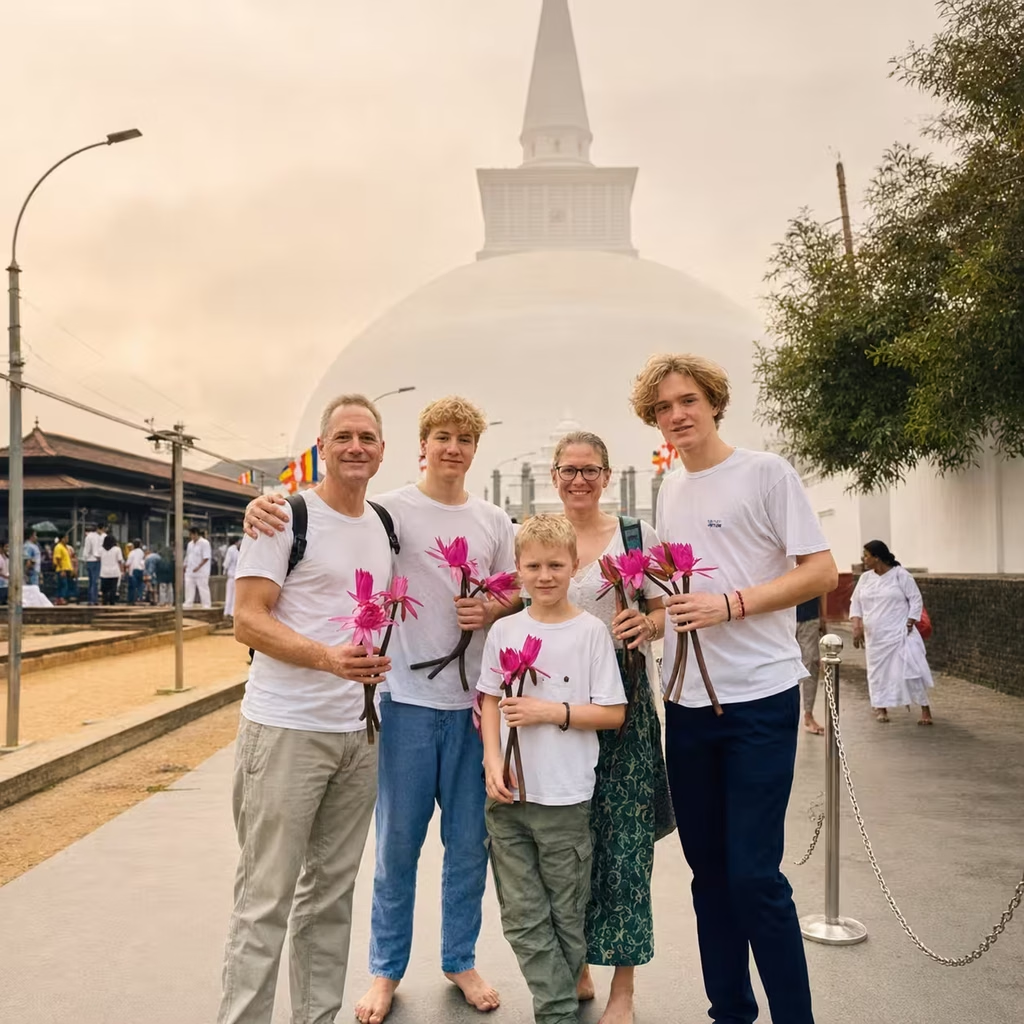
Devotees bring flowers, light lamps, chant and walk around the stupa. On Poya days, the grounds can fill with thousands of worshippers dressed in white.
Visitors should allow pilgrims space and avoid blocking offering areas.
Circumambulation
Walking respectfully around a stupa is a common Buddhist devotional practice. Follow the movement of local worshippers and posted guidance.
Even travelers who are not participating religiously should avoid moving carelessly against ritual flow in crowded periods.
Dress and footwear
Wear modest clothing covering shoulders and knees. Shoes and hats should be removed where required.
Ground surfaces can become hot, so socks may be useful if permitted.
Photography etiquette
Photography is possible in many exterior areas, but do not use worshippers as props. Ask before taking close portraits.
Avoid disrespectful poses with Buddha images or sacred objects.
Best time of day
Early morning provides cooler temperatures and a quiet atmosphere. Evening can be especially moving when lamps are lit and pilgrims gather.
Midday heat can make barefoot walking difficult.
Poya days
Full-moon Poya days bring much larger numbers of devotees. This is a powerful time to witness living Buddhist practice but can be crowded.
Travelers who want a quieter archaeological visit should choose an ordinary weekday.
Combining with Jaya Sri Maha Bodhi
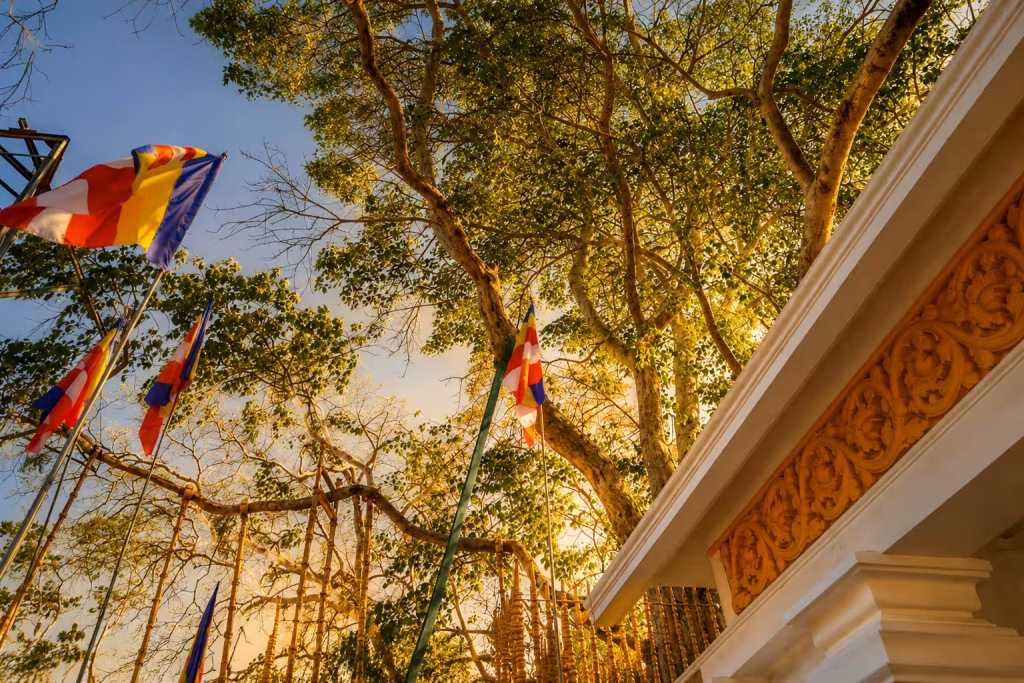
Jaya Sri Maha Bodhi is nearby and should be included in the same sacred-city visit. Together, the tree and stupa represent two of Sri Lanka’s most important Buddhist pilgrimage traditions.
Allow time to sit quietly at both sites.
Other nearby monuments
Thuparamaya, Lovamahapaya, Mirisavetiya and the wider ancient city can be added over a full day or two.
Anuradhapura is too large to understand properly through a rushed half-day checklist.
Responsible pilgrimage tourism
Do not climb sacred structures, leave plastic or interfere with offerings. Use official donation points if you wish to contribute.
Respect religious rules even when they differ from ordinary archaeological-site behavior.
How long should you spend?
One hour is enough for a basic visit, but two hours or more allows time to observe worship and appreciate the surrounding sacred landscape.
Frequently asked questions
Who built Ruwanwelisaya?
It was begun under King Dutugemunu in the second century BCE and completed after his reign according to historical tradition.
Is Ruwanwelisaya still a religious site?
Yes. It is one of Sri Lanka’s most important active Buddhist pilgrimage sites.
Can tourists enter?
Visitors are generally welcome subject to modest dress, footwear rules and respectful behavior.
What should I combine it with?
Jaya Sri Maha Bodhi is the most natural nearby sacred site to visit during the same outing.
Final planning advice
Check current opening arrangements, religious schedules, weather and transport shortly before your visit. Avoid building a schedule with no margin for delays, especially when combining sacred sites, long road journeys or early-morning activities.
A well-paced Sri Lanka itinerary leaves time to observe local life, rest and respond to conditions. Spending longer at fewer places usually creates a more memorable experience than rushing through many attractions in a single day.