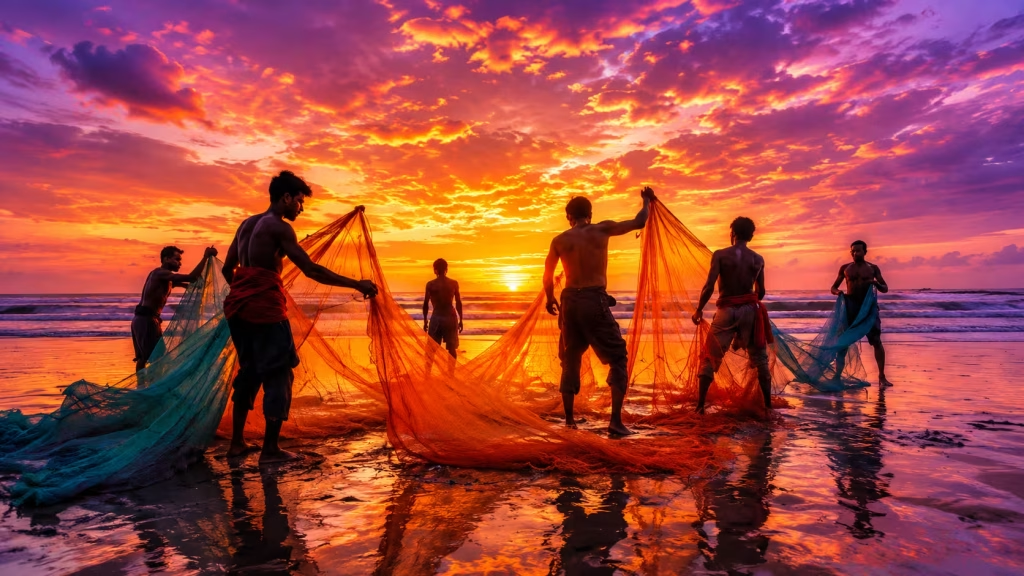
Pungudutivu is one of the most interesting islands to explore from Jaffna because it sits at the heart of the northern island network rather than functioning only as an isolated beach stop. Connected to the Jaffna Peninsula by road and causeway, the island is best known among travelers as an important gateway toward ferry connections for Nainativu and Delft. Yet Pungudutivu deserves more attention in its own right.
The island offers a distinctly northern Sri Lankan landscape shaped by shallow lagoons, palmyrah palms, dry-zone vegetation, fishing communities, religious sites and long causeways that seem to float between stretches of calm water. For travelers who want to understand the geography and rhythm of the Jaffna islands, spending time on Punkudutivu provides valuable context before continuing farther offshore.
Where is Pungudutivu?
Punkudutivu lies west of Jaffna city within the Jaffna island group. It is connected by road and causeway through the wider island network, making it easier to reach than islands that require a ferry for the entire journey. Most travelers approach from Jaffna by road, often passing other island communities along the way.
The journey itself is part of the experience. Wide lagoon views, low vegetation, fishing boats and narrow causeways create a landscape unlike the central highlands or southern coast. The sense of open space increases as the city falls behind and the road moves between stretches of shallow water.
Why visit Pungudutivu?
Punkudutivu is especially worthwhile for travelers interested in northern culture, island geography and slow travel. It is not a polished resort destination with large hotels or a carefully managed tourist strip. Instead, its appeal lies in moving through a working island community and seeing how roads, religious sites, fishing activity and water shape daily life.
It also serves as a practical stepping point for visitors continuing to Nainativu or Delft. Rather than thinking of Punkudutivu as somewhere to cross as quickly as possible, allow time to appreciate the transition from the Jaffna mainland to the more remote offshore islands.
The causeway experience
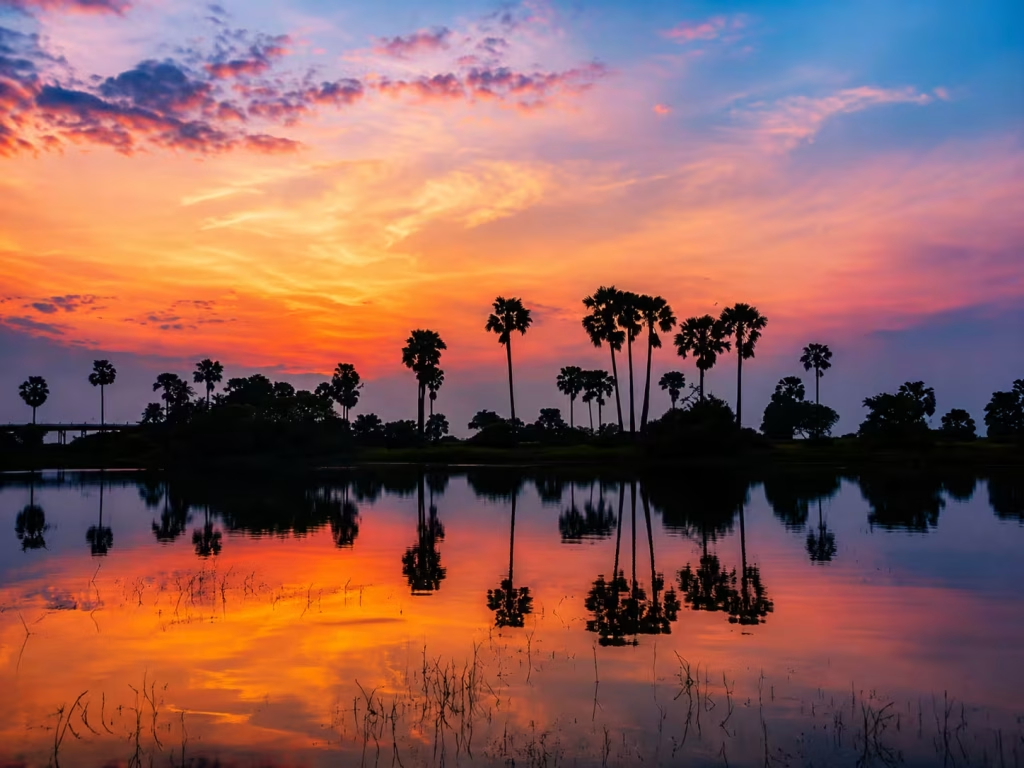
One of the strongest visual features of the Jaffna islands is the network of causeways linking communities across shallow water. The road journey toward Punkudutivu can feel unusually open, with lagoons on both sides and long horizons broken by fishing boats, birds and palmyrah silhouettes.
If you want to stop for photographs, use only places where the vehicle can pull over safely. These roads remain important local transport routes used by buses, motorcycles, schoolchildren and residents. Never stop in the middle of a narrow causeway for a photo.
Gateway to Nainativu
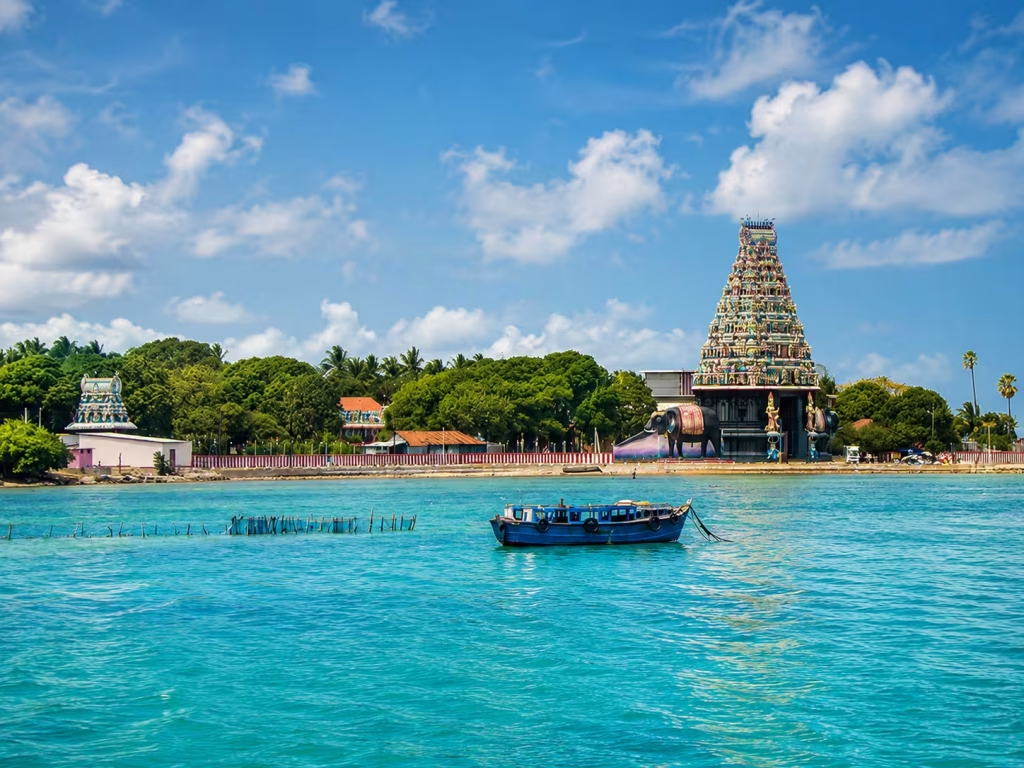
Punkudutivu is closely associated with the ferry route toward Nainativu, one of the most important pilgrimage islands in northern Sri Lanka. Nainativu is home to both the Nagapooshani Amman Temple and Nagadeepa Purana Vihara, making it a significant destination for Hindu and Buddhist pilgrims.
Visitors heading to Nainativu usually travel by road toward the ferry departure area and then continue by public ferry. Because ferry operations can be affected by weather, passenger demand and local conditions, confirm current departure arrangements before leaving Jaffna.
Gateway to Delft Island
Delft, also known as Neduntheevu, lies farther offshore and offers a very different island experience. It is associated with coral-stone walls, colonial-era remains, baobab trees, open dry landscapes and the island’s well-known free-roaming horses.
Punkudutivu is an important part of the journey toward the ferry connection. Travelers planning Delft should start early, because the combination of road travel, ferry schedules and island transport can easily turn into a full-day excursion.
What Pungudutivu itself feels like
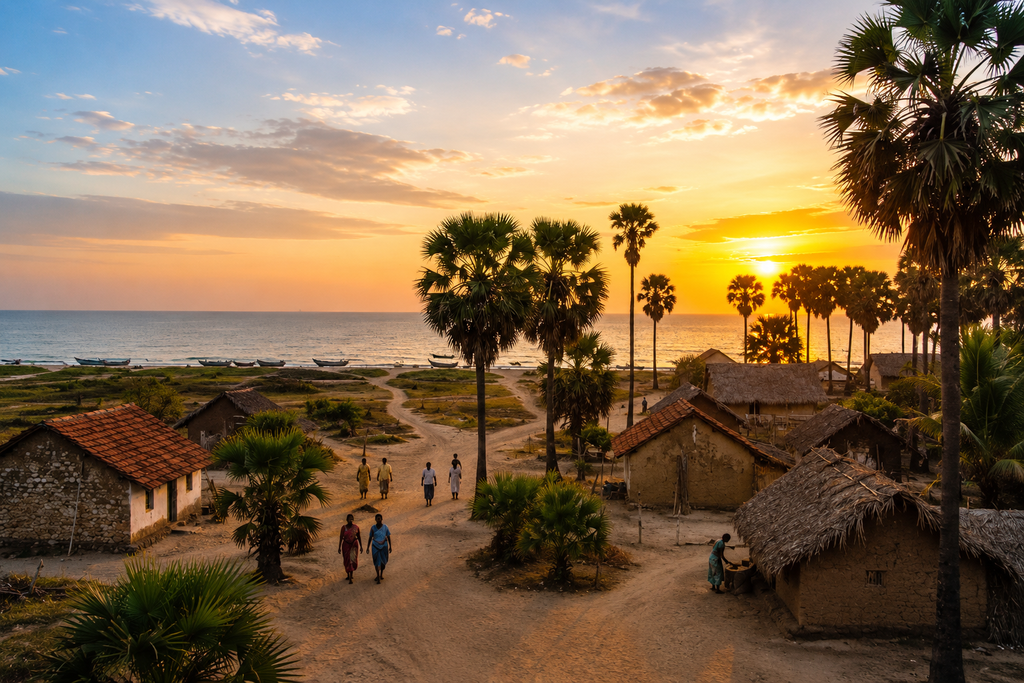
The island is flat, open and strongly shaped by its coastal environment. Palmyrah palms, small homes, temples, churches, fishing areas and dry scrub create a visual identity very different from tourist centers such as Ella or Galle.
There are stretches where the road passes close to shallow water and salt-influenced landscapes. Birdlife can be noticeable, especially around lagoon edges and quieter flats. Even simple road journeys can become memorable when the light reflects off the water in the morning or late afternoon.
Religious heritage
The wider Jaffna island region contains an important mix of Hindu, Christian and Buddhist sites, reflecting centuries of settlement, migration and colonial influence. Punkudutivu itself forms part of this religious landscape.
When visiting a temple or church, dress respectfully and ask before photographing ceremonies. Some sites may have specific rules about footwear, clothing or photography. A place of worship should always be approached first as a living religious space, not as a tourist backdrop.
Fishing communities and everyday island life
Fishing remains an important part of life across the northern islands. Boats, nets and shoreline activity may be visible along the road or near lagoon areas.
Do not walk directly into working spaces simply because they look interesting. If fishermen are repairing nets, unloading catches or preparing boats, give them room. Ask before taking close portraits and avoid turning work into staged photography.
Birdwatching and lagoon wildlife
The shallow waters and mudflats around the island network can attract waders, terns and other coastal birds. Even travelers who are not serious birdwatchers will often notice birds feeding close to the water.
A small pair of binoculars is useful. Avoid walking out across soft flats to get closer to birds, particularly where the ground is muddy or where nesting activity may be present. Quiet observation from the road or causeway is usually more rewarding.
Best time of day
Morning and late afternoon are usually the most comfortable periods for exploring. Northern Sri Lanka can be very hot during the middle of the day, and shade can be limited on open causeways and lagoon roads.
Early light is also better for photography, while late afternoon can produce attractive reflections over shallow water. If you are returning to Jaffna after sunset, arrange transport in advance.
Pungudutivu Island Weather: 7-Day Forecast
Updated automatically with the latest available forecast for Pungudutivu, Sri Lanka.
- Rain chance
- 22%
- Rainfall
- 0.0 mm
- Wind
- 14 km/h
- UV index
- 7.9
- Sunrise
- 6:05 AM
- Sunset
- 5:45 PM
- Rain chance
- 20%
- Rainfall
- 0.5 mm
- Wind
- 11 km/h
- UV index
- 7.4
- Sunrise
- 6:06 AM
- Sunset
- 5:45 PM
- Rain chance
- 18%
- Rainfall
- 0.0 mm
- Wind
- 16 km/h
- UV index
- 7.8
- Sunrise
- 6:06 AM
- Sunset
- 5:45 PM
- Rain chance
- 41%
- Rainfall
- 0.0 mm
- Wind
- 21 km/h
- UV index
- 7.9
- Sunrise
- 6:07 AM
- Sunset
- 5:45 PM
- Rain chance
- 88%
- Rainfall
- 28.2 mm
- Wind
- 17 km/h
- UV index
- 7.6
- Sunrise
- 6:07 AM
- Sunset
- 5:45 PM
- Rain chance
- 90%
- Rainfall
- 28.2 mm
- Wind
- 12 km/h
- UV index
- 5.6
- Sunrise
- 6:08 AM
- Sunset
- 5:46 PM
- Rain chance
- 97%
- Rainfall
- 15.0 mm
- Wind
- 9 km/h
- UV index
- 6.2
- Sunrise
- 6:08 AM
- Sunset
- 5:46 PM
What to bring
Bring drinking water, sun protection, a hat and lightweight clothing. If you are continuing by ferry, keep electronics in a waterproof pouch or protected bag in case of spray.
Carry a small amount of cash because card acceptance may be limited outside Jaffna city. Do not depend on finding large shops, ATMs or extensive tourist facilities on every island.
Food and refreshments
Simple local food and snacks may be available, but choices are more limited than in Jaffna city. If you have dietary restrictions, carry something suitable with you rather than assuming a particular meal will be available.
When local eateries are open, they can be a good opportunity to try northern Sri Lankan flavors. Seafood, rice-based dishes and simple snacks are often more representative of island life than tourist-oriented restaurant menus.
Transport
A tuk-tuk, car with driver or hired vehicle provides the easiest way to explore Punkudutivu from Jaffna. Public buses also connect parts of the island network, but they are less convenient for travelers trying to coordinate with ferry departures.
If you hire a driver for a full day, confirm whether ferry waiting time, parking and the return journey are included in the agreed price. This avoids misunderstandings later.
How much time should you allow?
If Punkudutivu is only part of a Nainativu trip, you may spend relatively little time on the island itself. However, allowing an extra hour or two for short stops and island scenery makes the journey more rewarding.
For Delft, the full day should be kept largely open because ferry timing and island transport can take longer than expected. Do not schedule an important evening connection immediately afterward.
Sample half-day Pungudutivu plan
Leave Jaffna after breakfast and travel slowly through the island roads toward Punkudutivu. Stop only where it is safe to view the lagoons, explore one religious or community site if appropriate, then continue toward the ferry area.
If you are not taking a ferry, use the afternoon to return through the causeways at a relaxed pace, allowing time for birdwatching and landscape photography.
Sample full-day island plan
For Nainativu, begin early enough to allow ferry delays. Visit the sacred sites respectfully, return to Punkudutivu and stop for a simple meal or refreshment before heading back to Jaffna.
For Delft, keep the day more flexible and avoid adding major city sightseeing after the return journey. A long island day is best followed by a quiet evening in Jaffna.
Responsible island travel
Carry all plastic and food packaging with you. Coastal environments easily collect litter, and waste left near a causeway can be carried directly into the lagoon.
Respect private homes, fishing areas and religious sites. The northern islands are communities first and tourist attractions second. Support local transport providers and small businesses when practical.
Photography etiquette
The landscapes are highly photogenic, but avoid pointing cameras directly into homes or photographing people without permission. Children should never be treated as automatic photo subjects.
Use wide views of lagoons, causeways and palmyrah landscapes to tell the story without intruding on residents’ privacy.
Why Punkudutivu is worth more than a transit stop
Punkudutivu helps travelers understand how the Jaffna island network functions. Roads become causeways, causeways lead to ferry points, and religious and fishing communities remain connected across stretches of shallow water.
It may not have one globally famous landmark, but that is part of its value. The island provides a quieter northern Sri Lankan experience and gives deeper meaning to journeys toward Nainativu and Delft.
Frequently asked questions
Is Punkudutivu an island?
Yes. It is part of the Jaffna island group and is connected by road and causeway to the wider peninsula network.
Do I need a ferry to reach Punkudutivu?
No. Punkudutivu itself is road-accessible. Ferries are needed for onward travel to islands such as Nainativu and Delft.
Can I visit Punkudutivu as a day trip from Jaffna?
Yes. It works very well as a day trip, especially when combined with Nainativu or other nearby island areas.
Is Punkudutivu worth visiting if I am not taking a ferry?
Yes. The causeways, lagoons, island communities and northern coastal landscapes still make it a worthwhile cultural and scenic excursion.
How long should I allow?
Allow at least half a day for Punkudutivu itself, or a full day when combining it with Nainativu or Delft.