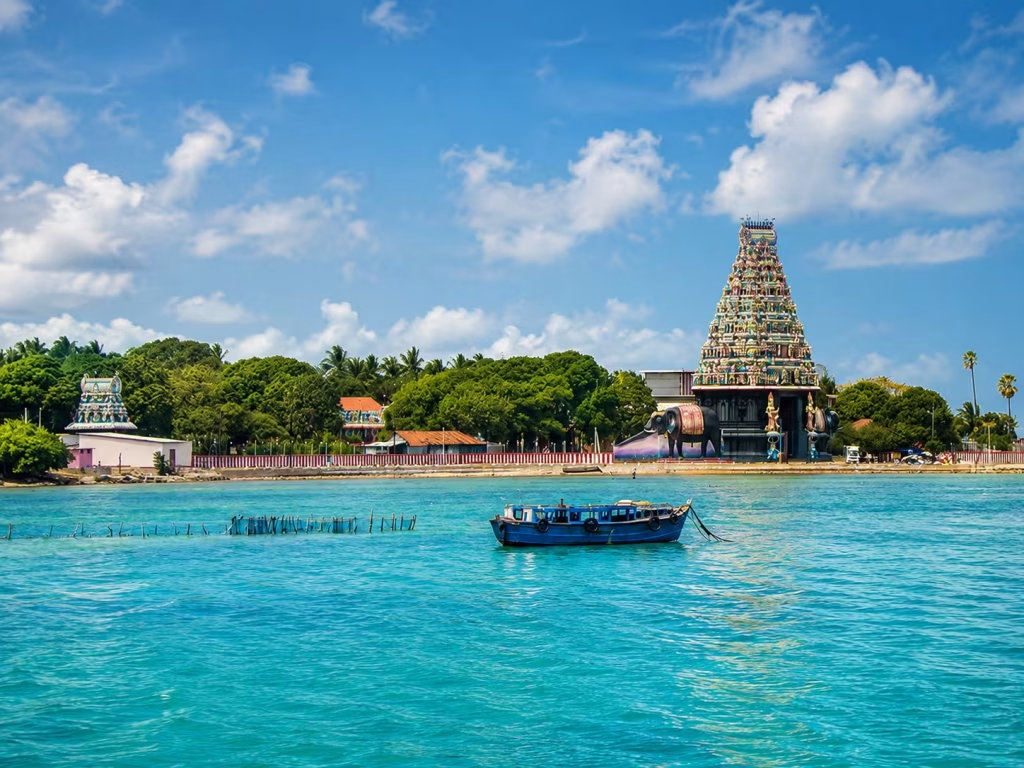
The Jaffna Peninsula and its surrounding islands offer one of Sri Lanka’s most unusual travel landscapes. Flat roads cross lagoons and causeways, palmyrah palms rise above dry gardens, ferries connect religious islands and remote communities, and the Palk Strait creates a sense of geographic closeness to India.
Sri Lanka Tourism highlights the peninsula’s Tamil culture, agricultural smallholdings, temples, beaches and island chain, including Kayts, Karainagar, Punkudutivu, Nainativu and Delft. Travelers who stay only in Jaffna city see only part of the region.
Understanding the peninsula
The Jaffna Peninsula is connected to the rest of Sri Lanka by a narrow land corridor, while numerous islands lie to the west and southwest. Some are reached by causeway, others require ferries.
The terrain is mostly flat, and water, salt air and palmyrah vegetation create a visual identity very different from the central highlands.
Karainagar
Karainagar is connected by causeway and is best known among travelers for Casuarina Beach. The route itself provides lagoon views and a sense of island geography.
Do not rush directly to the beach. Small temples, fishing activity and villages make the journey part of the experience.
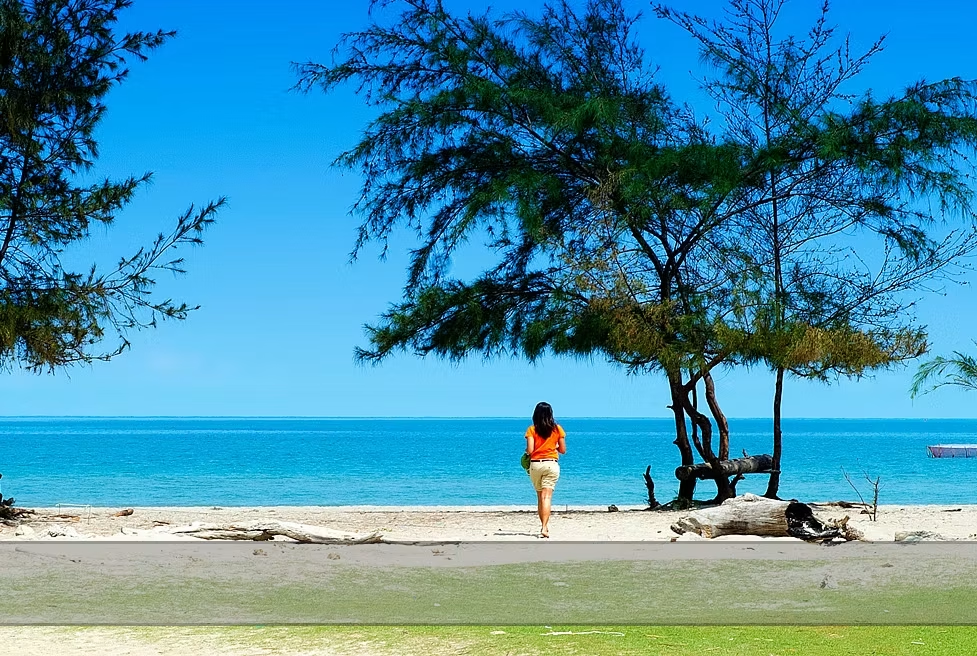
Casuarina Beach
Casuarina Beach is associated with shallow water and relatively gentle conditions. It works well as a half-day excursion from Jaffna.
Sea safety still matters. Ask locally before swimming, supervise children closely and do not assume shallow water is completely risk-free.
Punkudutivu
Punkudutivu is an important transit island for ferries toward Nainativu and Delft. The causeway approach passes through broad lagoon landscapes that are particularly attractive in early or late light.
Ferry schedules and departure points can change, so confirm details locally before leaving Jaffna.
Nainativu
Nainativu is one of the region’s most important pilgrimage islands, with both Hindu and Buddhist sacred sites. Nagapooshani Amman Temple and Nagadeepa Purana Vihara attract worshippers from across Sri Lanka.
Dress modestly and treat ferry travel as part of a pilgrimage environment rather than only a tourist excursion.
Delft Island
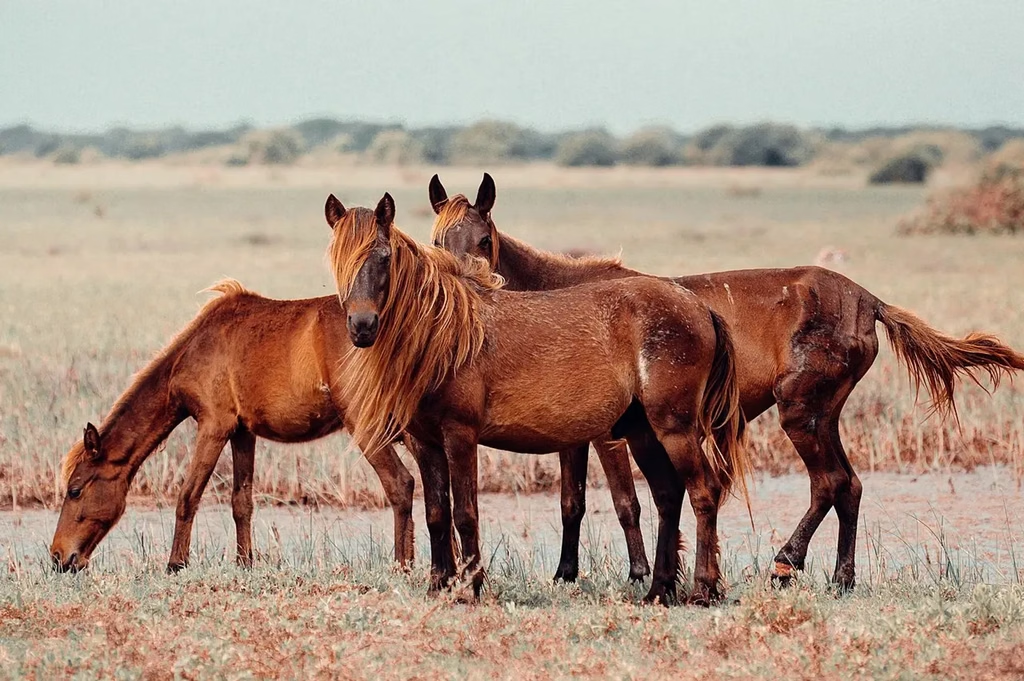
Delft, or Neduntheevu, is farther offshore and has a distinctive dry, windswept atmosphere. The island is known for coral-stone walls, colonial remains, baobab trees and free-roaming horses associated with its colonial history.
Delft requires more time than Nainativu. Plan transport on the island in advance or arrange it after arrival with realistic expectations about facilities.
Ferry travel
Public ferries are functional transport used by local residents, not luxury sightseeing boats. Boarding can be busy, and sea conditions affect comfort.
Keep luggage compact, protect electronics from spray and follow crew instructions. If you are prone to motion sickness, prepare before departure.
Causeways
The network of causeways is one of the most memorable features of the peninsula. Roads seem to float across shallow water with fishing boats, birds and distant island silhouettes on both sides.
Only stop for photographs where it is safe. Narrow roads are still active transport routes for buses, motorcycles and local traffic.
Temples and churches
The islands contain Hindu temples, Buddhist sites and churches reflecting the region’s diverse history. Some communities have deep Catholic traditions connected with Portuguese influence.
Visitors should prioritize worship customs and avoid assuming every religious building is open throughout the day.
Food and supplies
Facilities become more limited as you travel farther from Jaffna city. Carry water and simple snacks, particularly for Delft.
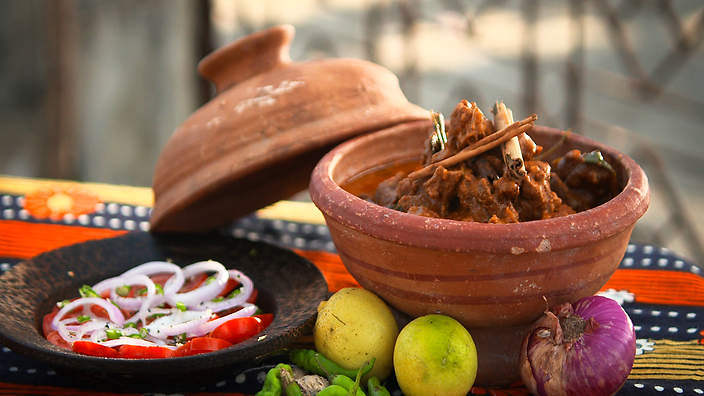
Use local restaurants when available and try regional seafood or vegetarian meals, but do not depend on finding a large tourist menu on every island.
Heat and sun
Shade can be limited on causeways, ferries and remote islands. Wear a hat, use sun protection and carry more water than you would for a short city visit.
Lightweight long sleeves can be more comfortable than repeated sunscreen application.
Jaffna Weather: 7-Day Forecast
Updated automatically with the latest available forecast for Jaffna, Sri Lanka.
- Rain chance
- 61%
- Rainfall
- 0.0 mm
- Wind
- 13 km/h
- UV index
- 7.8
- Sunrise
- 6:05 AM
- Sunset
- 5:45 PM
- Rain chance
- 88%
- Rainfall
- 0.1 mm
- Wind
- 15 km/h
- UV index
- 7.8
- Sunrise
- 6:06 AM
- Sunset
- 5:45 PM
- Rain chance
- 16%
- Rainfall
- 0.1 mm
- Wind
- 20 km/h
- UV index
- 7.7
- Sunrise
- 6:06 AM
- Sunset
- 5:45 PM
- Rain chance
- 96%
- Rainfall
- 12.8 mm
- Wind
- 18 km/h
- UV index
- 6.1
- Sunrise
- 6:06 AM
- Sunset
- 5:45 PM
- Rain chance
- 97%
- Rainfall
- 33.3 mm
- Wind
- 10 km/h
- UV index
- 6.9
- Sunrise
- 6:07 AM
- Sunset
- 5:45 PM
- Rain chance
- 96%
- Rainfall
- 18.9 mm
- Wind
- 11 km/h
- UV index
- 7.4
- Sunrise
- 6:07 AM
- Sunset
- 5:45 PM
- Rain chance
- 98%
- Rainfall
- 10.2 mm
- Wind
- 10 km/h
- UV index
- 7.2
- Sunrise
- 6:08 AM
- Sunset
- 5:45 PM
Birdlife and lagoons
Shallow coastal water and lagoons support many birds. Even non-birders will notice waders, terns and other species along causeways and mudflats.
Use binoculars and avoid walking onto sensitive flats to approach birds.
Sample two-day peninsula plan
On the first day, explore Karainagar and Casuarina Beach, returning to Jaffna before dark. On the second day, choose either Nainativu or Delft rather than trying to visit both quickly.
A third day allows the alternative island and creates much more flexibility around ferry conditions.
Respecting local communities
Many island communities are small, and tourism is not the only activity. Do not photograph homes, fishermen or children without permission.
Buy food and transport locally when practical and avoid leaving waste on beaches or ferry docks.
Frequently asked questions
Can I visit the Jaffna islands independently?
Yes, but local guidance is helpful because ferry points, schedules and island transport can change.
Which island should I visit first?
Nainativu is excellent for religious culture, while Delft offers a more remote landscape and colonial heritage.
How many days do I need?
At least two days beyond Jaffna city is ideal if you want to experience the peninsula and one or two islands properly.
Are the ferries suitable for everyone?
They are basic public transport. Travelers with mobility limitations or severe motion sickness should check current conditions and boarding arrangements before committing.
Final planning advice
Check current access arrangements, transport conditions and weather shortly before travel. Opening times, visitor rules and local services can change, especially at religious sites, protected areas and seasonal attractions. Keep enough flexibility in your schedule to adjust without rushing.
A professional Sri Lanka itinerary should balance major sights with rest, meals and realistic road time. Spending longer at fewer places usually creates a more memorable experience than collecting photographs from many destinations in a single day.
Travel preparation checklist
Carry drinking water, sun protection and clothing appropriate to the destination. For temples, keep a modest layer available; for nature areas, choose footwear with grip. Store important documents and electronics securely and avoid depending on one payment method in remote areas.
Use reputable transport and guides, ask before photographing people and follow local instructions. These simple habits improve both safety and the quality of interactions throughout Sri Lanka.
Choosing between Nainativu and Delft when time is limited
If you have only one island day, choose according to your interests rather than trying to force both into a rushed schedule. Nainativu is the stronger choice for travelers interested in living Hindu and Buddhist pilgrimage traditions, while Delft provides a more remote landscape with colonial traces, coral-stone walls, baobab trees and the island’s well-known horse population.
Ferry timing, sea conditions and onward transport matter as much as map distance. Confirm the latest departures locally, begin early and keep enough time to return before dark. A relaxed single-island visit usually provides a better northern travel experience than spending most of the day waiting for connections.