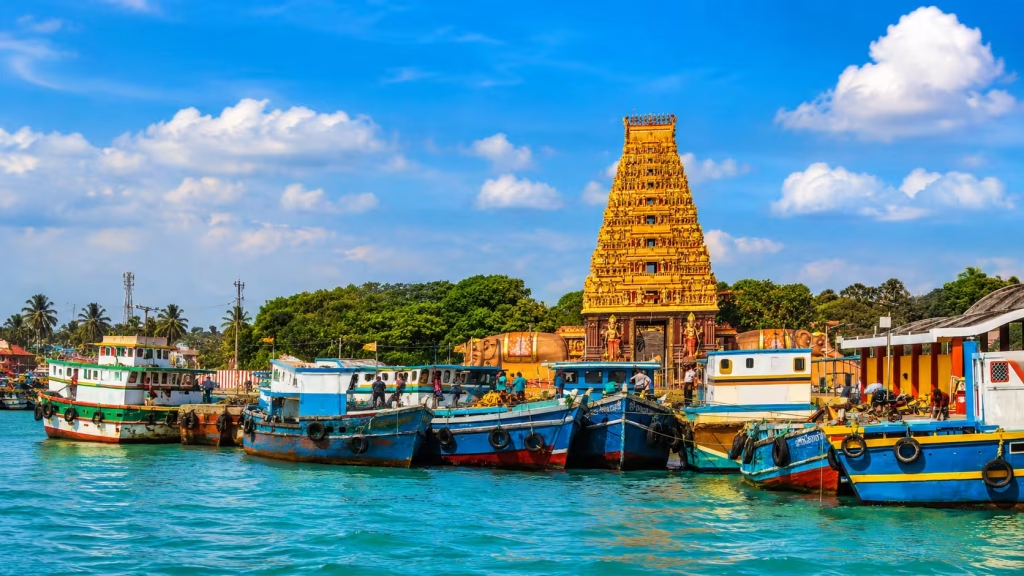
Jaffna is one of Sri Lanka’s most distinctive cities. Located in the far north, it is the cultural center of a region shaped by Tamil language and Hindu traditions, while also carrying Buddhist, Christian, Muslim, Portuguese, Dutch and British influences. Sri Lanka Tourism describes Jaffna as a city of colonial charm and vibrant Tamil culture surrounded by a peninsula of gardens, temples, beaches and islands.
Travelers who visit only Colombo, Kandy and the south coast can leave Sri Lanka without experiencing this northern identity. Jaffna rewards at least two or three days because its appeal lies as much in food, language, streets and everyday life as in famous monuments.
Getting to Jaffna
Jaffna can be reached by road, rail and domestic air connections depending on current services. The train journey from the south is long but provides a strong sense of geographical transition.
If traveling by rail, reserve seats when possible during busy periods. For road travel, allow a full day from Colombo rather than planning major sightseeing immediately on arrival.
Nallur Kandaswamy Temple
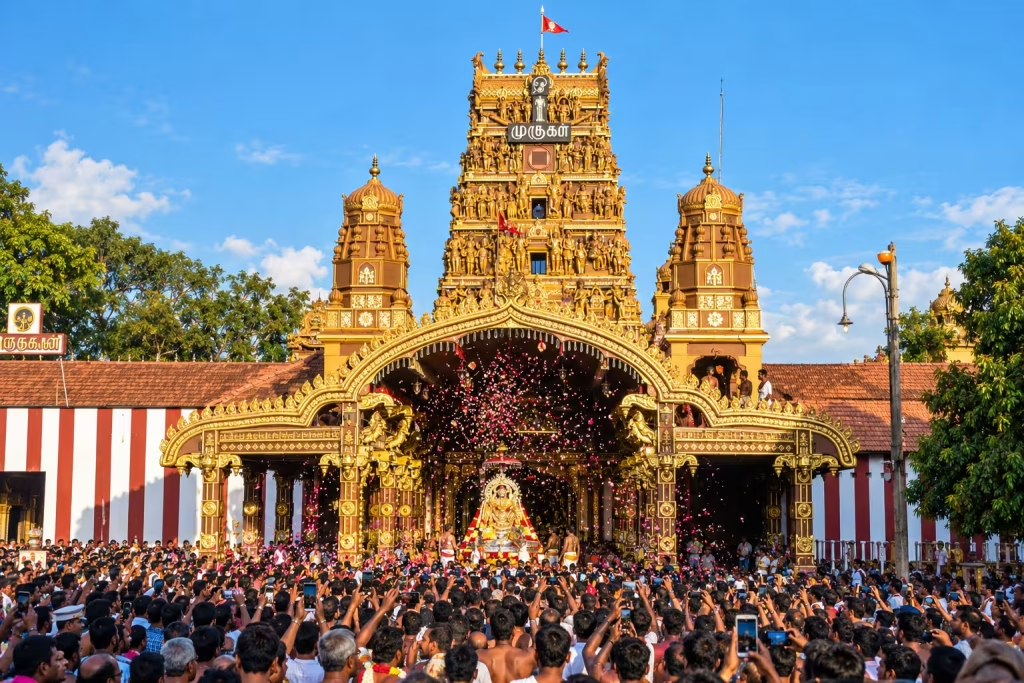
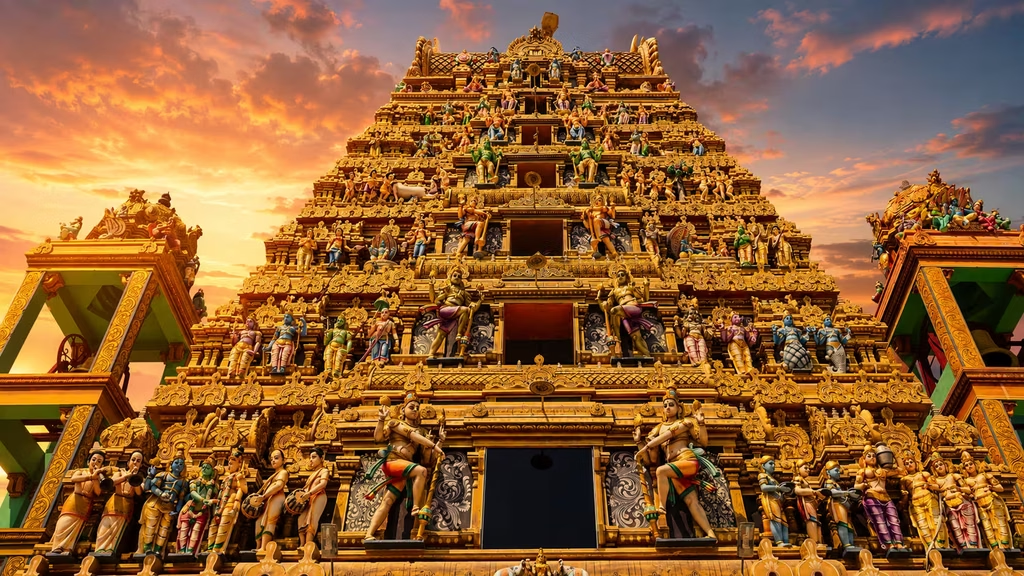
Nallur is one of Sri Lanka’s most important Hindu temples and a central symbol of Jaffna. Sri Lanka Tourism describes the present complex as dating from the eighteenth century after earlier structures were destroyed during the colonial period.
Dress modestly and follow temple-specific customs. Photography restrictions may apply inside, and men may be required to remove shirts in certain sacred areas according to current practice.
Jaffna Fort
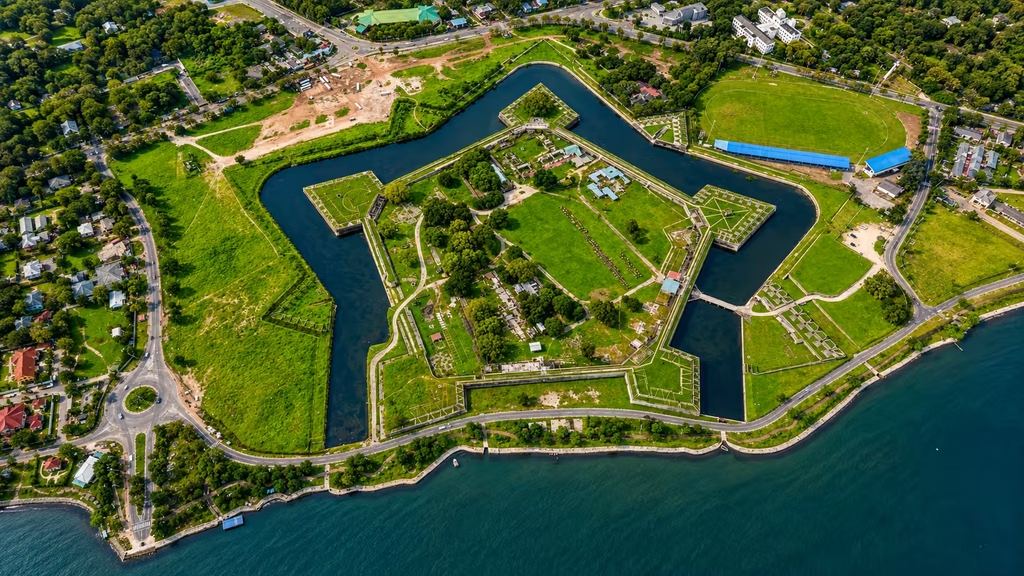
The fort stands beside Jaffna Lagoon and reflects Portuguese and Dutch colonial history, with later British use. Its massive ramparts provide one of the clearest architectural landmarks in the city.
Walk slowly and use the fort to understand Jaffna’s strategic importance rather than treating it only as a sunset viewpoint.
Jaffna Public Library
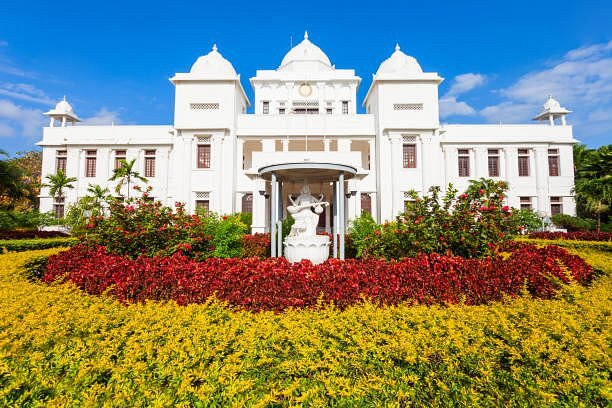
The library is one of the city’s most important cultural institutions and carries deep significance because of its history, destruction during ethnic conflict and later rebuilding.
Visitors should approach the building respectfully. It represents scholarship, memory and cultural identity rather than only attractive architecture.
Jaffna Market
The market area is an excellent introduction to northern produce and everyday commerce. Palmyrah products, dried seafood, fruit, vegetables and regional ingredients give the market a character different from Colombo’s Pettah.
Ask before taking close photographs of vendors and avoid blocking narrow trading spaces.
Jaffna food
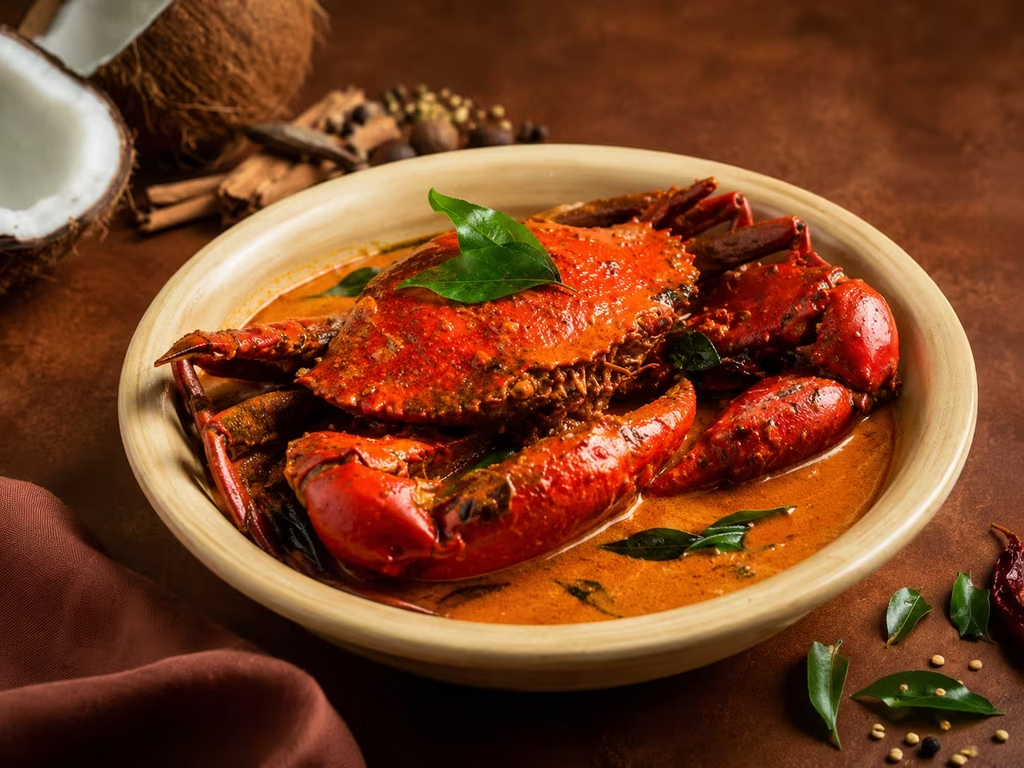
Food is one of the strongest reasons to spend time in the city. Jaffna-style crab curry, seafood, dosai, string hoppers, mutton dishes, spicy curries and palmyrah-based foods are associated with the region.
Not every traveler needs to seek the hottest possible curry. Ask restaurants for recommendations and explain spice tolerance clearly.
Palmyrah culture
Palmyrah palms shape the northern landscape and are used for food, drink, fiber and craft products. Their tall silhouettes are part of the visual identity of the peninsula.
Try local palmyrah products from reputable shops and ask how they are made.
Religious diversity
Jaffna and the surrounding peninsula contain Hindu temples, churches, Buddhist sites and mosques. This diversity reflects centuries of settlement, trade, colonial rule and religious change.
Dress appropriately and avoid visiting active worship spaces only for photographs.
Museums and history
The Jaffna Archaeological Museum contains objects connected with both Hindu and Buddhist heritage, coins and artifacts from different periods. Museum displays can help travelers understand the region’s layered history.
Check current opening arrangements before planning a visit.
Walking and cycling
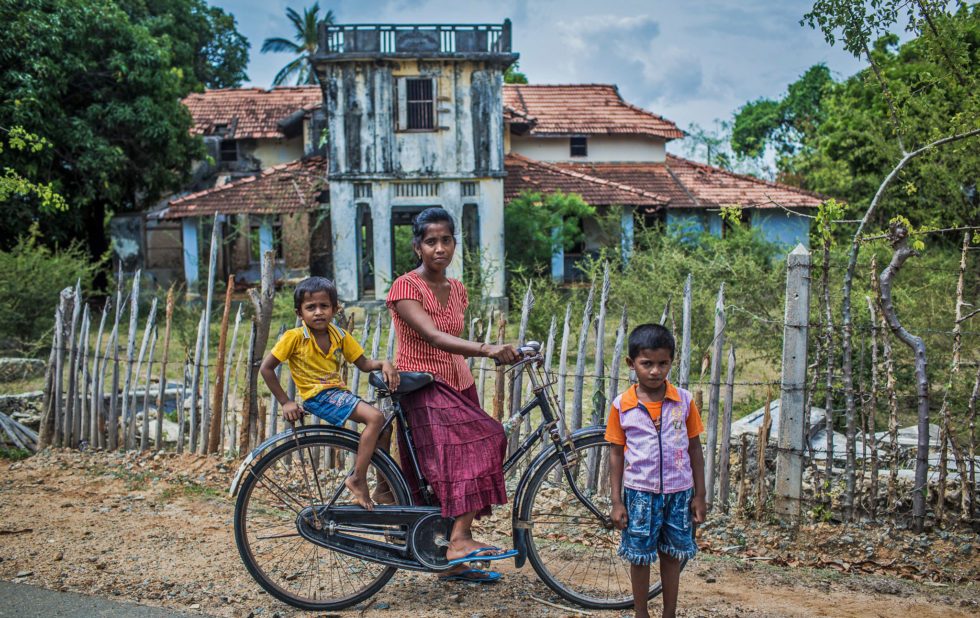
Central Jaffna can be explored partly on foot, though heat is a major consideration. Bicycles are common locally and can be a useful option for confident riders.
Use road awareness because traffic patterns may feel unfamiliar and sidewalks are inconsistent.
Heat and climate
The north can feel hot and dry, particularly during parts of the year. Carry water, sun protection and breathable clothing.
Schedule temples and outdoor sites early or late in the day and use midday for meals, museums or rest.
Jaffna Weather: 7-Day Forecast
Updated automatically with the latest available forecast for Jaffna, Sri Lanka.
- Rain chance
- 94%
- Rainfall
- 1.0 mm
- Wind
- 13 km/h
- UV index
- 7.8
- Sunrise
- 6:06 AM
- Sunset
- 5:45 PM
- Rain chance
- 10%
- Rainfall
- 0.4 mm
- Wind
- 19 km/h
- UV index
- 7.7
- Sunrise
- 6:06 AM
- Sunset
- 5:45 PM
- Rain chance
- 91%
- Rainfall
- 10.1 mm
- Wind
- 21 km/h
- UV index
- 7.4
- Sunrise
- 6:06 AM
- Sunset
- 5:45 PM
- Rain chance
- 99%
- Rainfall
- 35.3 mm
- Wind
- 11 km/h
- UV index
- 7.4
- Sunrise
- 6:07 AM
- Sunset
- 5:45 PM
- Rain chance
- 97%
- Rainfall
- 31.8 mm
- Wind
- 9 km/h
- UV index
- 7.1
- Sunrise
- 6:07 AM
- Sunset
- 5:45 PM
- Rain chance
- 97%
- Rainfall
- 30.9 mm
- Wind
- 7 km/h
- UV index
- 7.1
- Sunrise
- 6:08 AM
- Sunset
- 5:45 PM
- Rain chance
- 88%
- Rainfall
- 3.6 mm
- Wind
- 11 km/h
- UV index
- 7.8
- Sunrise
- 6:08 AM
- Sunset
- 5:46 PM
Sample two-day itinerary
On day one, visit Nallur in the morning, explore the market and central city, then walk around Jaffna Fort in the late afternoon. On day two, add the library, museum and a food-focused experience before making a short coastal excursion.
A third day allows the islands or Casuarina Beach.
Respecting recent history
Northern Sri Lanka experienced decades of armed conflict. Travelers should avoid treating war sites as entertainment or asking strangers intrusive questions about personal losses.
If you want to understand the conflict, use museums, published history and experienced guides who can provide context respectfully.
How many nights?
Three nights is a strong first visit. Two nights can cover the city, while four or five allow island trips and a slower exploration of the peninsula.
Frequently asked questions
Is Jaffna worth visiting?
Yes. It offers one of Sri Lanka’s most distinctive combinations of Tamil culture, food, religious heritage and northern landscapes.
How many days do I need?
Two days cover the main city attractions; three to five days allow islands, beaches and a slower cultural experience.
What food should I try?
Seafood, crab curry, dosai, string hoppers, regional curries and palmyrah products are good starting points.
Can I visit temples as a tourist?
Yes, where visitors are permitted, but follow dress rules, photography restrictions and local worship customs.
Final planning advice
Check current access arrangements, transport conditions and weather shortly before travel. Opening times, visitor rules and local services can change, especially at religious sites, protected areas and seasonal attractions. Keep enough flexibility in your schedule to adjust without rushing.
A professional Sri Lanka itinerary should balance major sights with rest, meals and realistic road time. Spending longer at fewer places usually creates a more memorable experience than collecting photographs from many destinations in a single day.
Travel preparation checklist
Carry drinking water, sun protection and clothing appropriate to the destination. For temples, keep a modest layer available; for nature areas, choose footwear with grip. Store important documents and electronics securely and avoid depending on one payment method in remote areas.
Use reputable transport and guides, ask before photographing people and follow local instructions. These simple habits improve both safety and the quality of interactions throughout Sri Lanka.