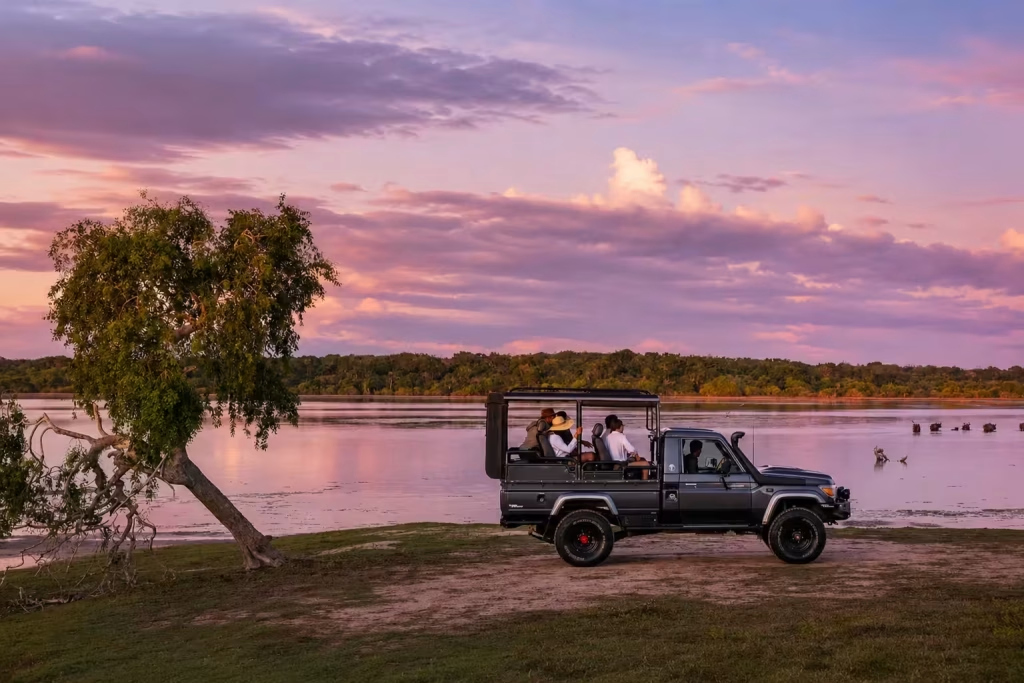
Yala National Park is Sri Lanka’s most famous safari destination and one of the country’s best-known places for observing wild leopards. The park protects a large south-eastern landscape of dry forest, scrub, grassland, rocky outcrops, freshwater wetlands and coastal habitat.
Sri Lanka Tourism notes that Yala supports more than 200 bird species and dozens of mammal species, and it is widely known for a high leopard density in some areas. Yet Yala should not be reduced to a leopard hunt. Elephants, crocodiles, buffalo, deer, monkeys, birds and the dramatic dry-zone landscape are equally important parts of the experience.
Where is Yala?
Yala lies in south-eastern Sri Lanka across parts of Southern and Uva provinces. Tissamaharama is the most common tourism base, with Kataragama and selected coastal lodges also used by visitors.
Staying nearby makes early-morning safari departures easier.
Park blocks
Yala consists of several blocks and adjoining protected areas. Visitor access varies, and not every block is open in the same way throughout the year.
Block I is the best-known tourism zone, but responsible operators should work with current DWC access rules rather than assuming one entrance is always available.
Leopards
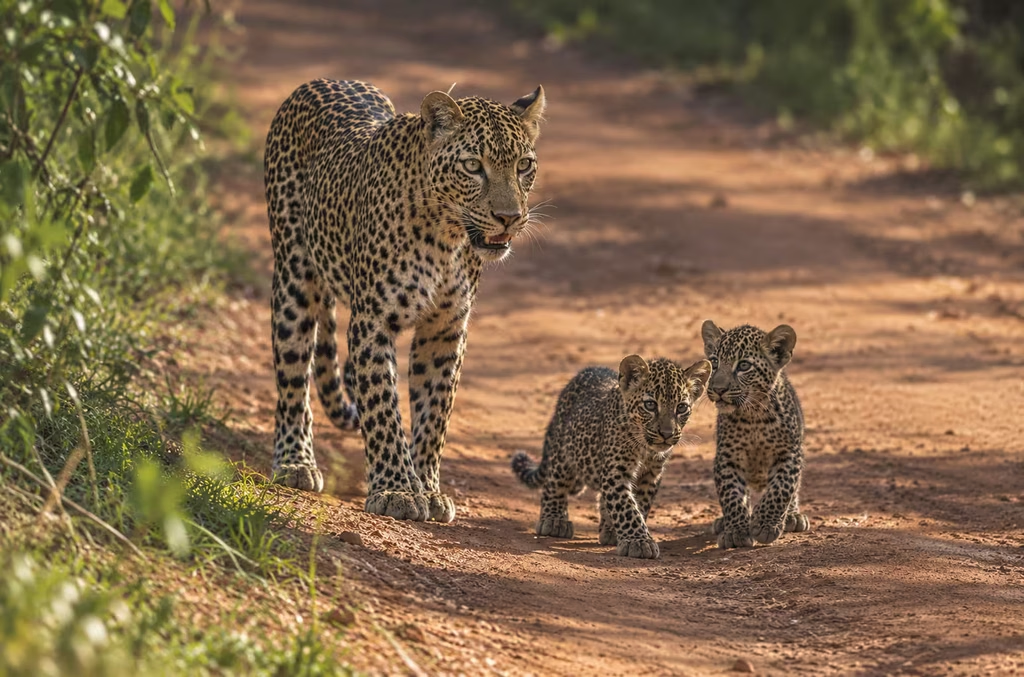
Yala is internationally known for leopard sightings. These cats use rock outcrops, forest, roads and water points throughout their territories.
No leopard sighting is guaranteed. A responsible safari should remain enjoyable even if the cats stay hidden.
Elephants
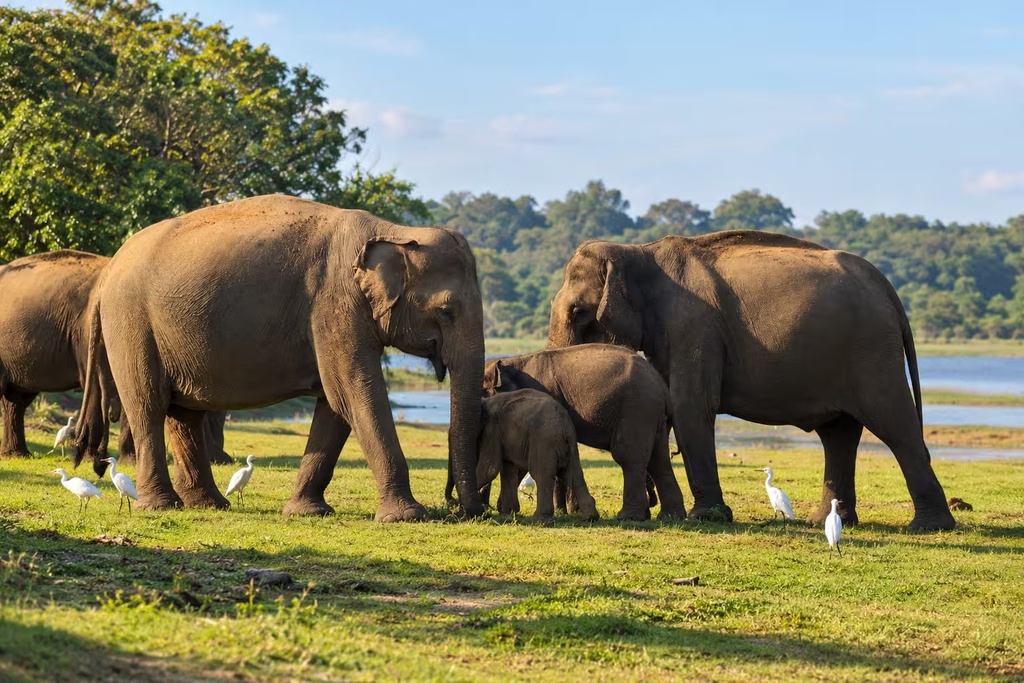
Elephants are another major attraction and may be seen feeding, crossing roads or using water areas.
Give elephants plenty of space, especially mothers with calves.
Sloth bears
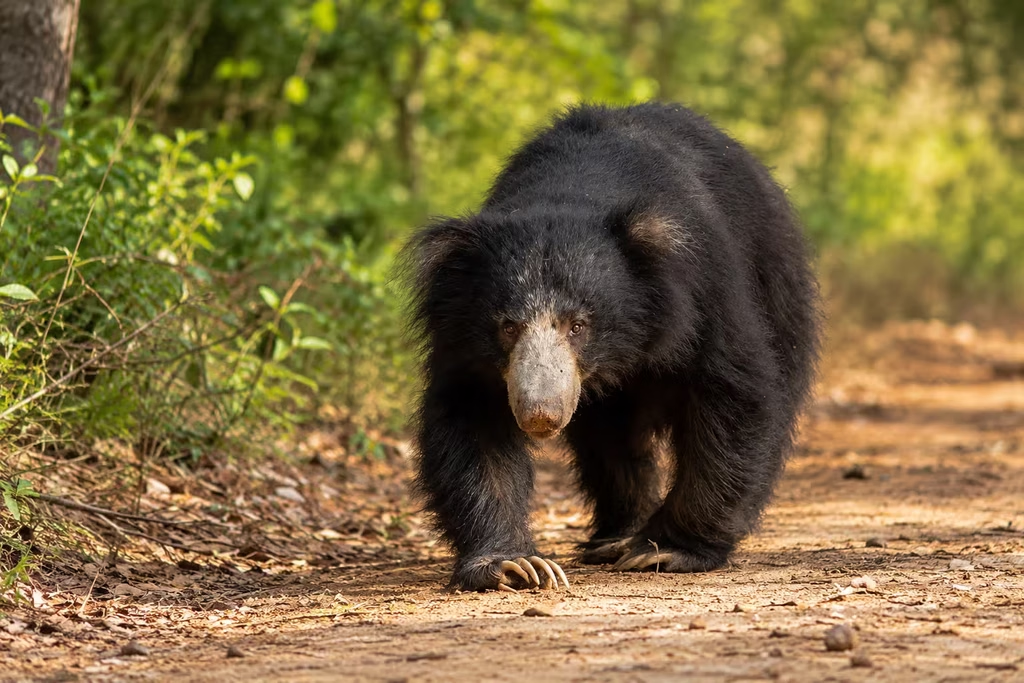
Sloth bears occur in Yala but are much harder to predict. Seasonal fruiting can influence where they are seen.
Do not pressure a driver to chase a bear that is moving away from vehicles.
Birdlife
The park is also an important bird area with waterbirds, raptors and dry-zone species.
Binoculars make the safari much richer, especially around lagoons and waterholes.
Morning or afternoon safari?
Both can be productive. Morning provides cooler conditions and early animal movement, while late afternoon offers warmer light and another active period.
Choose based on current conditions and your broader itinerary rather than assuming one is always superior.
Safari crowding
Yala’s popularity can produce clusters of jeeps around leopard sightings. Ethical drivers should maintain distance and avoid blocking animals.
If you dislike crowds, ask about alternative blocks or neighboring parks where current access permits.
Photography
A telephoto lens is useful, but environmental images of lagoons, rocks and forest can be equally memorable.
Keep all equipment inside the jeep and avoid shouting directions at wildlife.
Sithulpawwa and cultural history
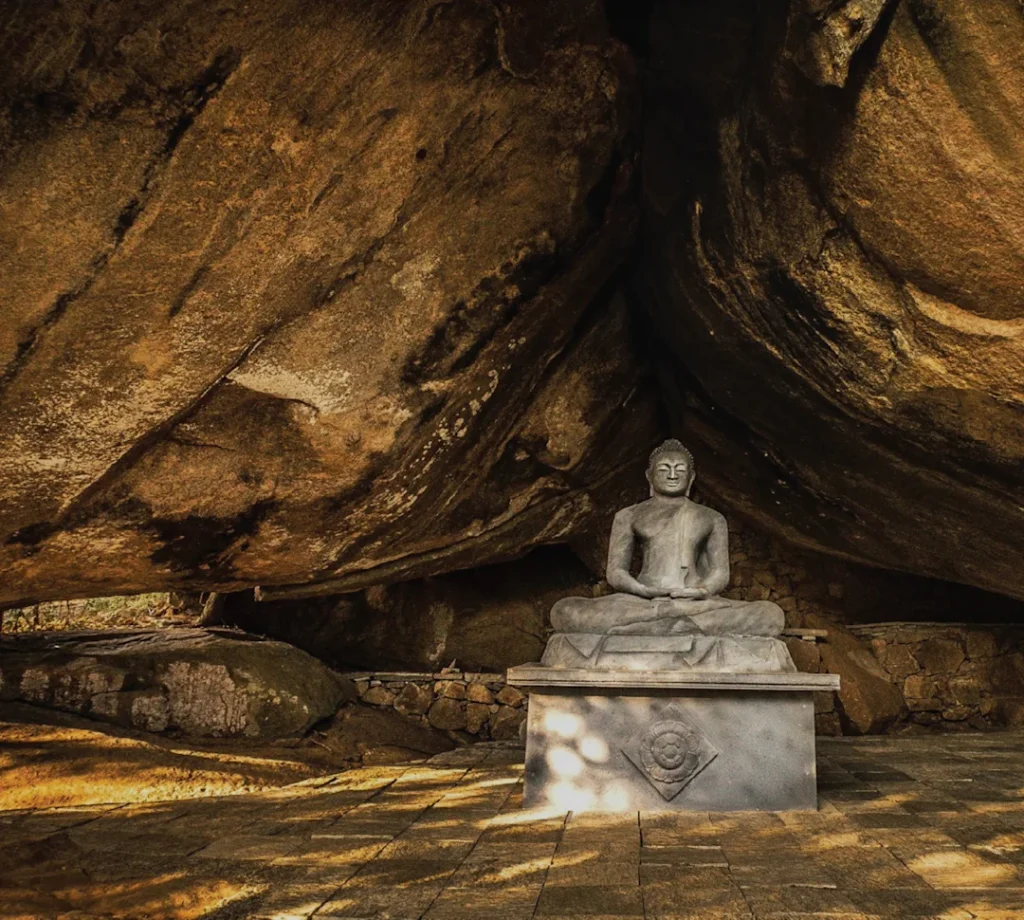
The wider Yala landscape contains ancient Buddhist sites, including Sithulpawwa, reflecting long human occupation and pilgrimage traditions.
Where religious access is permitted, follow sacred-site etiquette as carefully as wildlife rules.
Tissamaharama
Tissamaharama provides accommodation, restaurants, reservoirs and access to the park. It works well as a base for one or two nights.
A relaxed evening by Tissa Wewa can be a good contrast after a dusty safari.
What to bring
Carry water, sun protection, binoculars and a light layer for cool early departures. Dust protection is useful in the dry season.
Avoid bringing unnecessary loose belongings into an open jeep.
Park rules
Yala is managed by the Department of Wildlife Conservation. Entry requires the appropriate permit and adherence to current rules.
Check official information for closures, seasonal access and e-permit procedures.
Responsible wildlife tourism
Do not feed wildlife, leave the jeep without permission or encourage drivers to race between sightings.
Choose operators who openly value distance, quiet behavior and conservation.
How long should you stay?
One safari is enough for a first visit, but two safaris can provide different light, routes and wildlife opportunities.
Three nights is usually unnecessary unless wildlife is a major focus of your trip.
Yala National Park Weather: 7-Day Forecast
Updated automatically with the latest available forecast for Yala, Sri Lanka.
- Rain chance
- 92%
- Rainfall
- 1.0 mm
- Wind
- 13 km/h
- UV index
- 8.2
- Sunrise
- 5:55 AM
- Sunset
- 5:44 PM
- Rain chance
- 88%
- Rainfall
- 2.3 mm
- Wind
- 16 km/h
- UV index
- 8.2
- Sunrise
- 5:55 AM
- Sunset
- 5:44 PM
- Rain chance
- 100%
- Rainfall
- 6.6 mm
- Wind
- 14 km/h
- UV index
- 7.0
- Sunrise
- 5:56 AM
- Sunset
- 5:44 PM
- Rain chance
- 100%
- Rainfall
- 1.7 mm
- Wind
- 11 km/h
- UV index
- 8.0
- Sunrise
- 5:56 AM
- Sunset
- 5:44 PM
- Rain chance
- 94%
- Rainfall
- 3.3 mm
- Wind
- 8 km/h
- UV index
- 7.8
- Sunrise
- 5:56 AM
- Sunset
- 5:44 PM
- Rain chance
- 94%
- Rainfall
- 4.2 mm
- Wind
- 12 km/h
- UV index
- 6.5
- Sunrise
- 5:57 AM
- Sunset
- 5:45 PM
- Rain chance
- 84%
- Rainfall
- 13.2 mm
- Wind
- 10 km/h
- UV index
- 7.7
- Sunrise
- 5:57 AM
- Sunset
- 5:45 PM
Frequently asked questions
Are leopards guaranteed in Yala?
No. Yala has strong leopard habitat, but sightings are never guaranteed.
Where should I stay?
Tissamaharama is the most common base, with other options around Kataragama and the park region.
Is Yala only about leopards?
No. Elephants, birds, crocodiles, deer, sloth bears and the landscape make the safari worthwhile even without a leopard.
How many safaris should I do?
One is sufficient for most visitors; two can benefit wildlife enthusiasts.
Final planning advice
Check current access, weather, park regulations and transport shortly before your visit. National parks and coastal areas can change their operating arrangements, and wildlife or sea conditions cannot be guaranteed months in advance.
A strong Sri Lanka itinerary leaves room for rest and changing conditions. Spending longer at fewer places usually provides a better experience than combining a major safari, long transfer and several attractions in one rushed day.