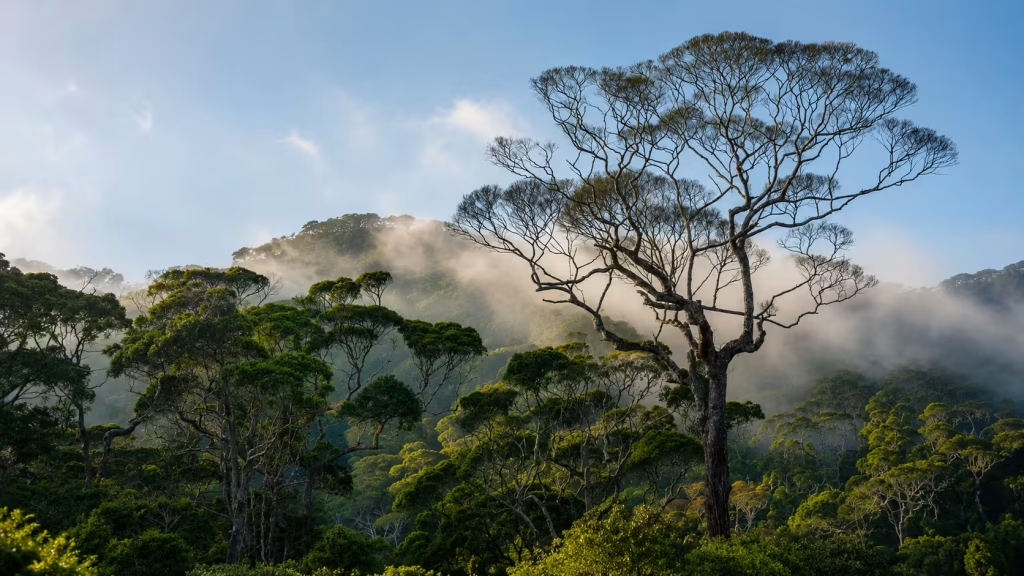
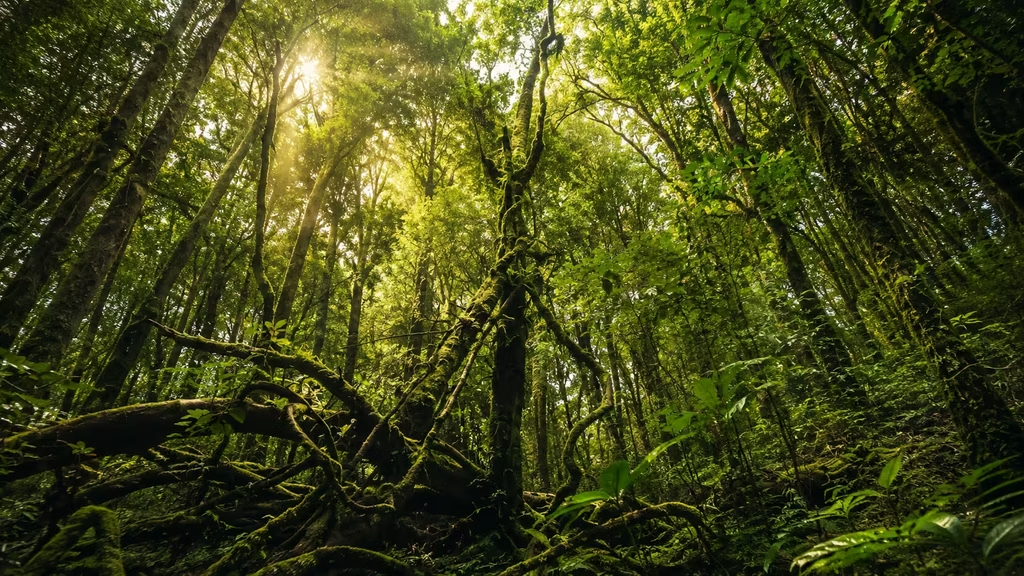
Sinharaja Forest Reserve is Sri Lanka’s most important surviving lowland tropical rainforest and one of the island’s greatest destinations for endemic wildlife. UNESCO describes it as the country’s last viable area of primary tropical rainforest and notes exceptionally high levels of endemism among plants, birds, mammals and butterflies.
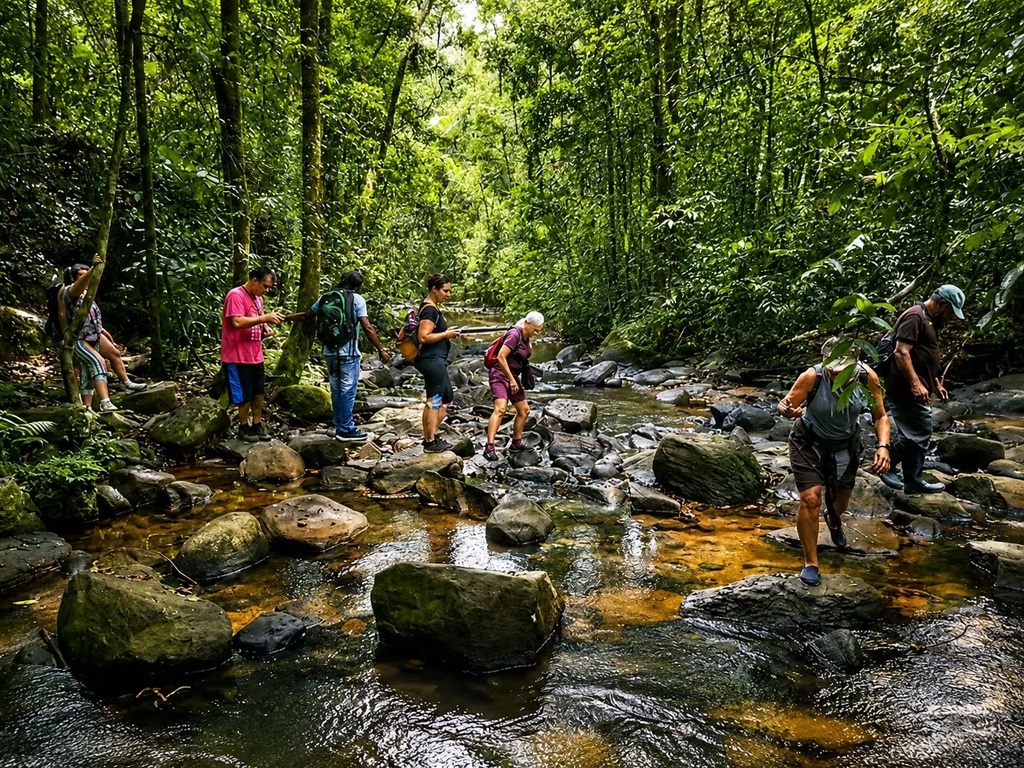
Unlike a jeep safari, Sinharaja is experienced mainly on foot. The rewards are subtle: mixed bird flocks moving through the canopy, amphibians beside streams, enormous trees, insects, fungi and the constant sound of a wet tropical forest.
UNESCO World Heritage status
Sinharaja was inscribed on the World Heritage List in 1988. UNESCO recognizes both its ecological processes and extraordinary biodiversity.
The forest is also protected under Sri Lankan law and entry is regulated.
Where is Sinharaja?
The reserve lies in the south-west wet zone across parts of Sabaragamuwa and Southern Provinces. Several entrances and surrounding villages provide access.
Your accommodation should be chosen around the entrance you plan to use, because driving around the forest to another gate can take significant time.
Kudawa entrance
Kudawa is one of the best-known access areas and is popular with birdwatchers. Guides and accommodation are available in the wider region.
Confirm current road conditions before travel, especially after heavy rain.
Other access points
Southern approaches provide alternatives depending on itinerary and accommodation. Each area offers a different route into the forest.
Do not assume all trails connect conveniently through the reserve.
Why a guide matters
Guided entry is valuable because rainforest wildlife can be extremely difficult to find without trained eyes. A guide can identify calls, tracks, insects, frogs and plants that most visitors would pass unnoticed.
Guides also help keep visitors on approved trails.
Endemic birds
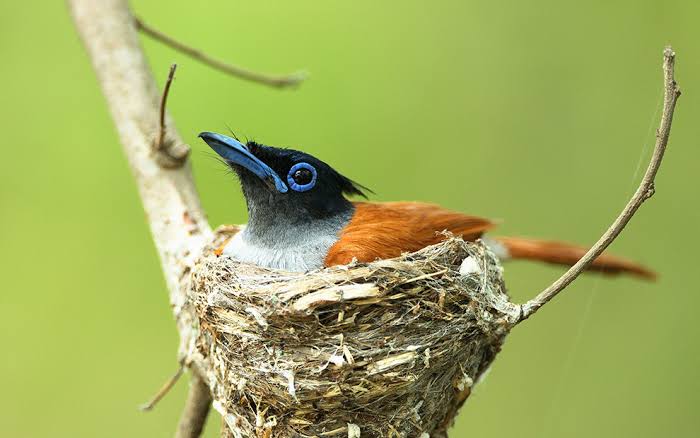
Sinharaja is famous for Sri Lankan endemic birds. UNESCO notes exceptionally high bird endemism within the property.
Mixed-species feeding flocks are a major highlight for birders, with several species moving together through the forest.
Mammals
Large mammals are much harder to see than in dry-zone parks. Purple-faced langurs and smaller mammals may be encountered, while leopard and elephant occur but should not be expected.
The forest should never be judged by whether a large mammal appears.
Amphibians and reptiles
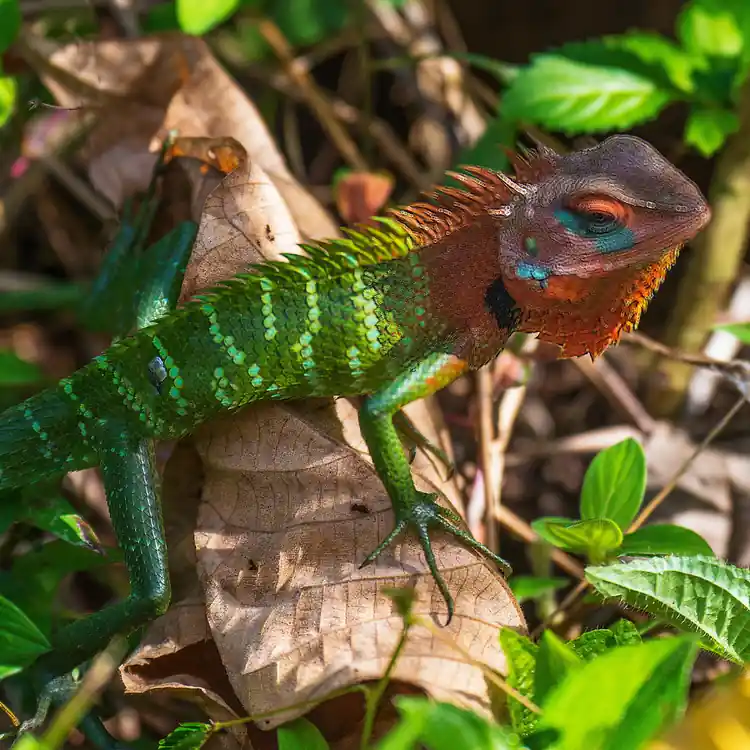
The wet-zone environment supports many endemic frogs, lizards and other small species. Night walks around permitted buffer-zone areas can be rewarding when arranged responsibly.
Do not handle animals for photographs.
Plants and forest structure
Large endemic trees, palms, climbers and dense understory vegetation make the forest itself the main attraction. UNESCO records very high plant endemism.
Learning a few common plant groups can transform the walk.
Rain
Rain is part of Sinharaja. The forest receives high annual rainfall and can be wet in any season.
Carry rain protection, but expect to get at least somewhat damp. Waterproof bags are valuable for cameras and documents.
Sinharaja Forest Reserve Weather: 7-Day Forecast
Updated automatically with the latest available forecast for Deniyaya, Sri Lanka.
- Rain chance
- 100%
- Rainfall
- 5.3 mm
- Wind
- 9 km/h
- UV index
- 7.9
- Sunrise
- 5:58 AM
- Sunset
- 5:47 PM
- Rain chance
- 94%
- Rainfall
- 2.6 mm
- Wind
- 7 km/h
- UV index
- 8.1
- Sunrise
- 5:58 AM
- Sunset
- 5:47 PM
- Rain chance
- 100%
- Rainfall
- 5.4 mm
- Wind
- 6 km/h
- UV index
- 8.1
- Sunrise
- 5:59 AM
- Sunset
- 5:48 PM
- Rain chance
- 100%
- Rainfall
- 3.7 mm
- Wind
- 7 km/h
- UV index
- 6.9
- Sunrise
- 5:59 AM
- Sunset
- 5:48 PM
- Rain chance
- 100%
- Rainfall
- 2.4 mm
- Wind
- 7 km/h
- UV index
- 7.6
- Sunrise
- 6:00 AM
- Sunset
- 5:48 PM
- Rain chance
- 100%
- Rainfall
- 1.2 mm
- Wind
- 8 km/h
- UV index
- 7.3
- Sunrise
- 6:00 AM
- Sunset
- 5:48 PM
- Rain chance
- 100%
- Rainfall
- 12.0 mm
- Wind
- 6 km/h
- UV index
- 6.3
- Sunrise
- 6:00 AM
- Sunset
- 5:48 PM
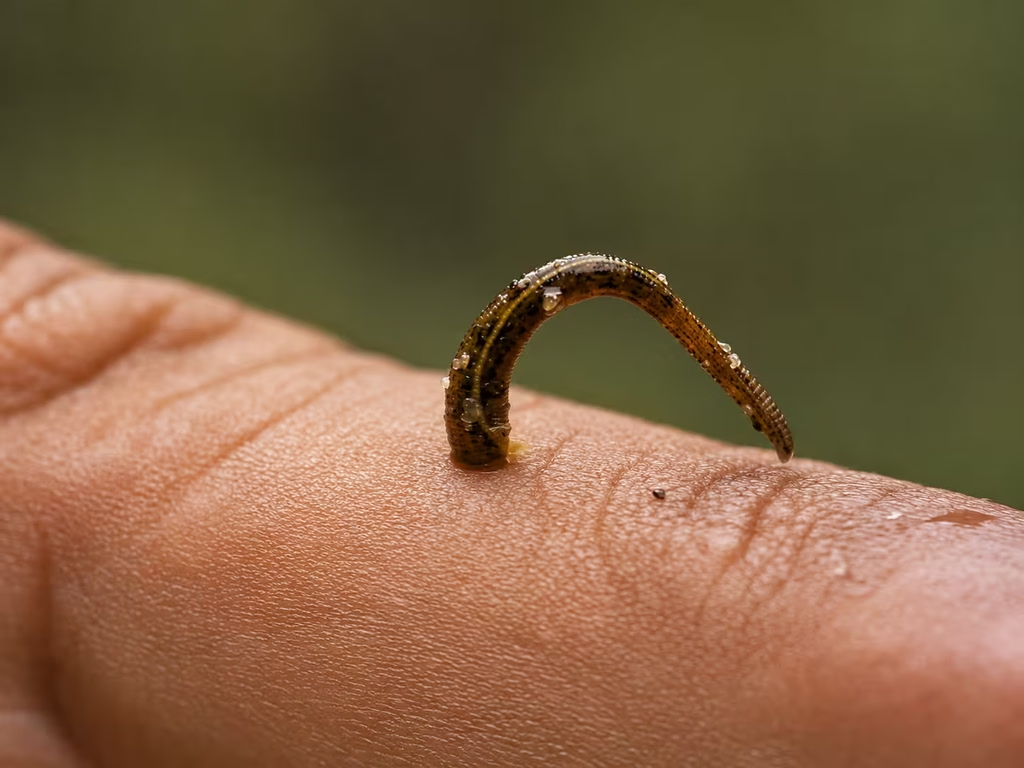
Leeches in Sinharaja Forest Reserve
Leeches are common, especially after rain. Leech socks or long socks tucked into trousers can help.
They are a normal part of the rainforest ecosystem and should not be treated with panic.
Why slow walking works
Rainforest wildlife often reveals itself after visitors stop moving. Stand quietly near a stream or productive forest edge and listen for calls, wing movement and leaves falling from the canopy. Guides may recognize a mixed bird flock long before it becomes visible.
This slower style also reduces trail disturbance and makes humidity and rain easier to manage.
What to bring
Bring water, lightweight rain gear, binoculars, insect repellent and footwear with grip. A small towel and dry clothing left at your accommodation can be useful after the walk.
Photography
Rainforest photography is challenging because light is low and wildlife moves quickly. A moderate telephoto lens is useful for birds, while macro capability helps with insects and frogs.
A waterproof camera cover is more useful than carrying too much equipment.
How long should you stay?
One full day provides a good introduction. Birdwatchers should consider two or three mornings because wildlife activity changes from day to day.
Responsible rainforest travel
Do not leave waste, collect plants or animals or use loud playback excessively. Stay on trails and follow guide instructions.
Support community-based guides and accommodation where suitable.
Frequently asked questions
Is Sinharaja a UNESCO World Heritage Site?
Yes. It was inscribed in 1988 for its ecological and biodiversity importance.
Do I need a guide?
A guide is strongly recommended and may be required depending on current access arrangements.
Will I see elephants or leopards?
They occur in the broader ecosystem but sightings are uncommon. Sinharaja is best for rainforest biodiversity and endemic birds.
How many days should I spend?
One day is enough for an introduction; two or three days are better for birders and nature enthusiasts.
Final planning advice
Check current access, weather, local regulations and transport shortly before your visit because protected areas, heritage sites and marine activities can change their visitor arrangements. Avoid building a schedule with no margin for delays or unsuitable conditions.
A better Sri Lanka itinerary allows enough time to observe, rest and respond to local advice. Spending longer at one destination generally creates a more meaningful experience than rushing through several places simply to collect photographs.