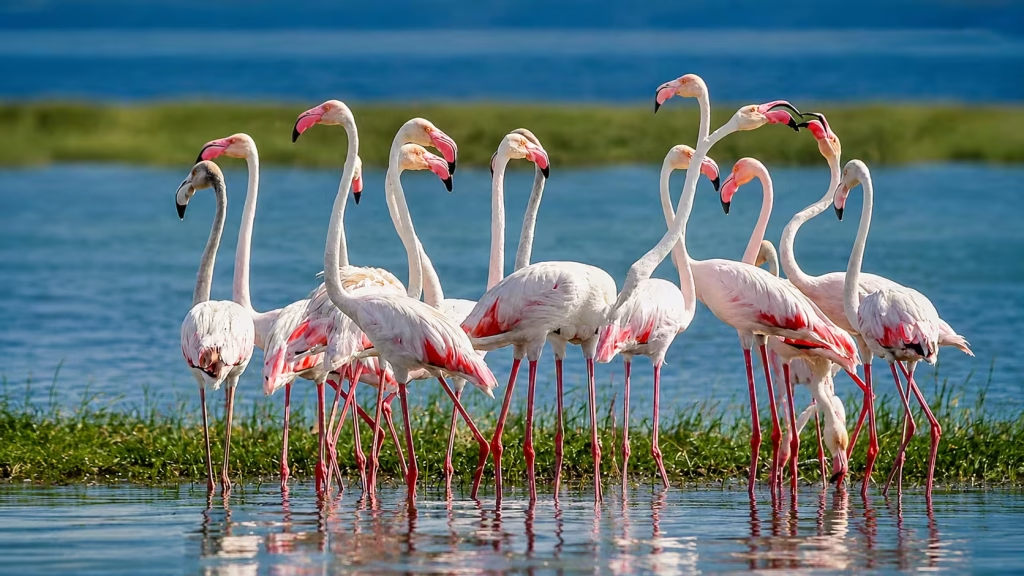
Kumana National Park is one of Sri Lanka’s finest destinations for birdwatchers and travelers who prefer quieter wildlife experiences. Located on the south-eastern edge of the island near the broader Yala landscape, the park is famous for wetlands, mangroves, lagoons, dry-zone scrub and seasonal concentrations of waterbirds.
Sri Lanka Tourism notes that 255 bird species have been recorded in Kumana and highlights its importance for migratory waterfowl and wading birds. The park also supports elephants, deer, crocodiles and other dry-zone wildlife, making it much more than a specialist bird sanctuary.
Where is Kumana National Park?
Kumana lies south of Arugam Bay and Pottuvil in Eastern Province. For many travelers, Arugam Bay is the most convenient tourism base because it combines accommodation, restaurants and beach time with access toward the park.
The road journey should be planned around an early safari rather than treated as an afterthought after a late night.
Kumana Villu
The heart of the park is Kumana Villu, a wetland area that becomes especially important for nesting and feeding birds. Water level and season influence which species concentrate there.
A knowledgeable guide can explain how the wetland changes rather than simply naming birds one after another.
Birdlife
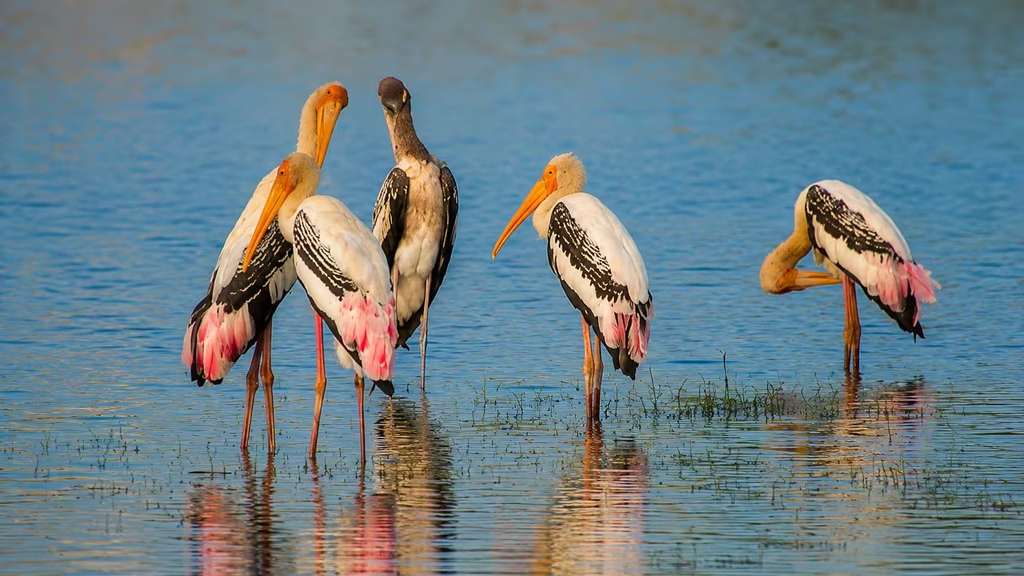
Kumana is known for storks, herons, egrets, ibis, spoonbills and many other waterbirds. Migratory species add further variety during appropriate seasons.
Bring binoculars even if you are not a dedicated birder. Many of the most interesting behaviors occur at a distance.
Breeding season
Bird breeding activity can become especially significant during parts of the year when suitable water and nesting habitat concentrate species. Exact timing varies with rainfall and ecology, so do not rely on one fixed calendar date for a guaranteed spectacle.
Other wildlife
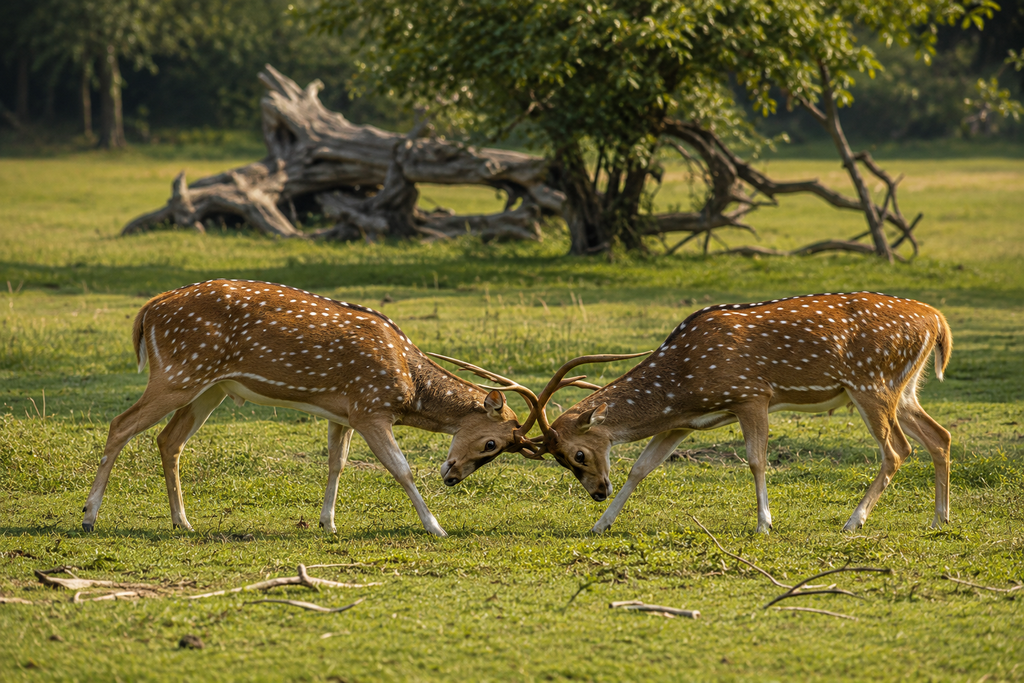
Elephants, deer, crocodiles, monkeys and other animals occur in the park. Leopards and sloth bears are present in the wider landscape but should never be promised as routine sightings.
Kumana is best enjoyed for the full ecosystem rather than one trophy species.
Archaeological sites
The wider sanctuary contains ancient religious and archaeological remains, reflecting long human use of the region. This adds cultural interest to a wildlife visit.
Follow all restrictions around ruins and never remove stones or artifacts.
Morning or afternoon safari?
Morning safaris provide cooler temperatures and strong bird activity, while late afternoon can offer good light and animal movement. Your guide may recommend one period based on season and current conditions.
Midday is usually hotter and less comfortable.
Kumana Weather: 7-Day Forecast
Updated automatically with the latest available forecast for Kumana, Sri Lanka.
- Rain chance
- 92%
- Rainfall
- 2.3 mm
- Wind
- 11 km/h
- UV index
- 8.2
- Sunrise
- 5:54 AM
- Sunset
- 5:43 PM
- Rain chance
- 88%
- Rainfall
- 2.1 mm
- Wind
- 17 km/h
- UV index
- 8.2
- Sunrise
- 5:55 AM
- Sunset
- 5:43 PM
- Rain chance
- 100%
- Rainfall
- 3.6 mm
- Wind
- 13 km/h
- UV index
- 7.5
- Sunrise
- 5:55 AM
- Sunset
- 5:43 PM
- Rain chance
- 100%
- Rainfall
- 1.6 mm
- Wind
- 11 km/h
- UV index
- 8.1
- Sunrise
- 5:56 AM
- Sunset
- 5:43 PM
- Rain chance
- 94%
- Rainfall
- 2.1 mm
- Wind
- 9 km/h
- UV index
- 7.8
- Sunrise
- 5:56 AM
- Sunset
- 5:43 PM
- Rain chance
- 94%
- Rainfall
- 9.9 mm
- Wind
- 9 km/h
- UV index
- 8.0
- Sunrise
- 5:56 AM
- Sunset
- 5:44 PM
- Rain chance
- 84%
- Rainfall
- 15.0 mm
- Wind
- 9 km/h
- UV index
- 7.9
- Sunrise
- 5:57 AM
- Sunset
- 5:44 PM
Choosing a safari operator
Choose an operator who values birding and conservation, especially if birds are your priority. Tell them in advance that you want slow observation rather than a fast big-mammal chase.
A responsible driver stays on approved tracks and does not pressure wildlife.
How to birdwatch from a safari jeep
Instead of asking the driver to move constantly, spend time at productive wetland edges. Watch how birds feed, nest and interact with changing water levels. A slower safari often produces more observations than a high-speed route covering the greatest possible distance.
Keep a simple list of habitats as well as species. This helps you remember the ecological character of Kumana rather than only names.
Photography
A telephoto lens is especially useful. Use vehicle support or a beanbag to steady longer lenses and avoid standing suddenly while the jeep is moving.
Do not ask the driver to flush birds into flight for photographs.
What to bring
Carry water, binoculars, sun protection and neutral lightweight clothing. Dust can be significant on dry tracks, so protect cameras and contact lenses. Insect repellent may also be useful near wet areas.
Combining Kumana with Arugam Bay
Arugam Bay works well as a base because beach, surf and wildlife experiences can be combined over several days. Use one morning for Kumana and keep the afternoon relaxed.
This provides a more balanced itinerary than driving immediately to another distant destination after the safari.
Kudumbigala and Okanda
The wider south-east includes forest hermitages, Hindu pilgrimage sites and coastal landscapes. Travelers interested in culture can build a full regional route rather than treating Kumana as an isolated park.
Responsible wildlife tourism
Never feed animals or throw food from vehicles. Keep voices low around nesting colonies and avoid pressuring drivers to approach too closely. Carry all waste out of the park and use only designated stops.
How long should you stay?
One safari gives a strong introduction, while serious birdwatchers may want two visits at different times of day. Two or three nights in the Arugam Bay region provides useful flexibility.
Frequently asked questions
Is Kumana good for birdwatching?
Yes. It is one of Sri Lanka’s most important birding destinations, particularly for wetland and migratory species.
Can I see elephants?
Elephants occur in the park, but sightings vary and should never be guaranteed.
Where should I stay?
Arugam Bay and the Pottuvil region are practical tourism bases for many visitors.
How many safaris do I need?
One is enough for a first visit; dedicated birders may benefit from two safaris in different light and conditions.
Final planning advice
Check current access, weather, local regulations and transport shortly before your visit because protected areas, religious sites and marine activities can change their visitor arrangements. Avoid building a schedule with no margin for delays or unsuitable conditions.
A better Sri Lanka itinerary allows enough time to observe, rest and respond to local advice. Spending longer at one destination generally creates a more meaningful experience than rushing through several places simply to collect photographs.