
Ceylon Tea is one of the strongest names associated with Sri Lanka around the world. The country changed its official name from Ceylon to Sri Lanka in 1972, but the tea industry retained “Ceylon Tea” as its international brand. Today the name refers to tea grown and manufactured in Sri Lanka, with regional differences shaped by elevation, climate and local growing conditions.
For travelers, tea is more than a product to buy at the airport. Tea cultivation transformed large parts of the central highlands, influenced railway development, created plantation towns and shaped generations of work and migration. Visiting tea country therefore combines scenery, agriculture, industrial history, labor history and tasting.
How tea became part of Sri Lanka
Commercial tea cultivation developed during British colonial rule in the nineteenth century. Coffee had previously dominated much of the plantation economy, but disease devastated coffee production and tea expanded rapidly as an alternative crop. The industry grew into a major export sector and became closely identified with the island.
The Sri Lanka Tea Board explains that Ceylon Tea became a global brand and remained so even after the country’s name changed. Understanding this history helps explain why “Ceylon” still appears on tea packaging today.
What does “Ceylon Tea” actually mean?
Ceylon Tea is not one single taste. Tea grown in different parts of Sri Lanka can vary considerably in aroma, color, body and strength. Elevation, rainfall, temperature, soil and processing all influence the final cup.
The Sri Lanka Tea Board recognizes regional origins and promotes the Ceylon Tea brand internationally. When comparing teas, look beyond terms such as “black tea” and ask where the leaves were grown and how they were processed.
Major tea-growing regions
Sri Lanka’s well-known tea districts include Nuwara Eliya, Dimbula, Uva, Kandy, Uda Pussellawa, Ruhuna and Sabaragamuwa. High-grown teas can be lighter and more aromatic, while lower-grown teas are often darker and fuller-bodied, although individual estates and seasons create plenty of variation.
A traveler does not need to visit every region. Even two contrasting areas can demonstrate how dramatically tea changes across the island.
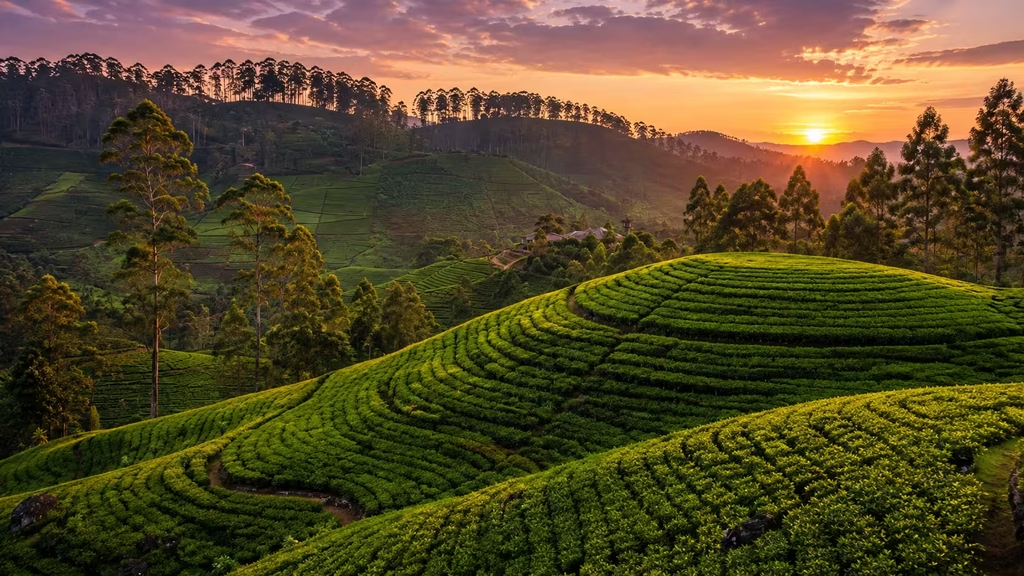
Nuwara Eliya tea country
Nuwara Eliya is perhaps the most internationally recognizable tea landscape. High elevation, cooler temperatures and rolling estates create the classic image of Sri Lanka’s central highlands. Tea from this region is often associated with a lighter, delicate character.
Many travelers combine a factory visit with viewpoints, waterfalls and a stay in Nuwara Eliya town. Avoid entering plantation fields without permission simply to take photographs.
Uva and the eastern highlands
The Uva region around Badulla, Bandarawela and Haputale produces teas with its own regional profile and is visually one of the most rewarding areas for travelers. Mountain ridges, railways and estates make it easy to combine tea tourism with broader hill-country travel.
Haputale is particularly useful for visitors who want tea landscapes without spending all their time in the busiest resort towns.
Kandy and the Ceylon Tea Museum
The Ceylon Tea Museum at Hantana near Kandy preserves machinery, documents, photographs and objects connected with the development of the industry. It is an excellent starting point because it explains processing and history before you visit a working estate.
Current opening arrangements and admission should be checked directly before visiting, as these details can change.
What happens in a tea factory?
A black-tea factory visit usually explains stages such as withering, rolling or other leaf disruption, oxidation, drying, grading and sorting. Exact machinery and terminology vary by factory and tea style.
The most useful tour is one that explains why each stage matters rather than simply walking visitors past machines. Ask questions about leaf quality, elevation, seasonal variation and how different grades are used.

Understanding tea grades
Tea grades often describe leaf size and appearance rather than acting as a simple quality ranking. Terms seen on packaging can appear confusing at first, and a smaller broken leaf is not automatically “bad” tea.
During a tasting, compare aroma, color, strength and aftertaste. This is more meaningful than selecting a product only because its grade name sounds prestigious.
How to taste tea
Professional tea tasting can be highly technical, but travelers can use a simple method. Smell the dry leaf, observe the brewed color, inhale the aroma and take a small sip without adding milk or sugar at first. Notice body, bitterness, sweetness and how the flavor changes after swallowing.
Then try the tea in the style you normally drink. There is no requirement to become a formal tea judge to appreciate regional differences.
The Ceylon Tea Lion Logo
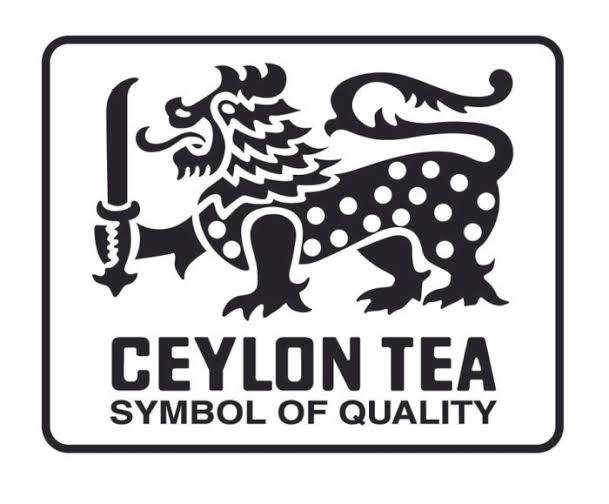
The Sri Lanka Tea Board owns the internationally trademarked Lion Logo. According to the Board, the logo on qualifying retail packs signifies 100% Pure Ceylon Tea packed in Sri Lanka under its certification requirements.
Not every genuine Sri Lankan tea product necessarily uses the logo in the same way, so buy from reputable sellers and read packaging carefully rather than judging authenticity from decorative imagery alone.
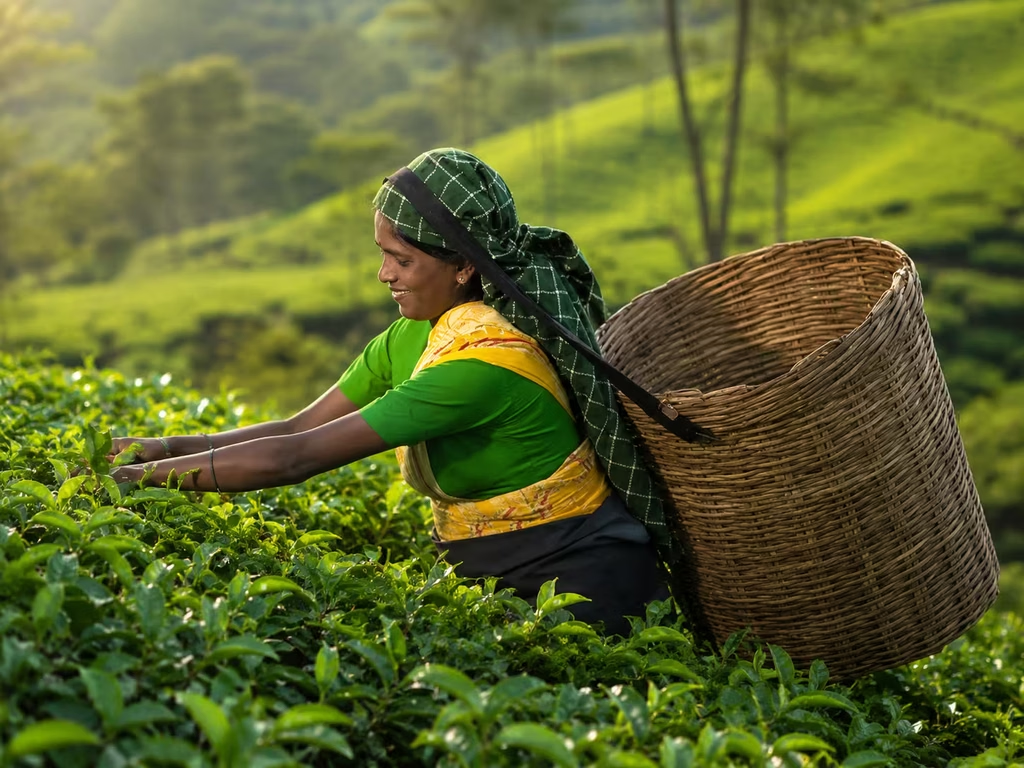
Tea estate photography and labor
Tea fields are workplaces. The people harvesting leaves are not part of a staged landscape, and photography should be approached with consent and dignity. Ask before taking close portraits, particularly of workers.
Plantation labor history is also an important part of Sri Lanka’s social story. A responsible tea visit should acknowledge communities as people with their own lives, culture and concerns rather than reducing them to a visual symbol of the industry.
Buying tea as a souvenir
Tea is lightweight, practical and easy to share. Decide whether you prefer loose leaf or bags, black or green tea, and delicate or strong flavors. Sealed packaging protects aroma better during travel.
Do not assume the most expensive decorative box contains the tea you will enjoy most. Taste before buying whenever possible and compare regional varieties.
Building tea into a Sri Lanka itinerary
A strong tea itinerary can begin in Kandy with the museum, continue by rail through Nanu Oya or Haputale, and include one working factory or estate visit. This gives historical context, landscape and production without repeating the same experience several times.
Travelers with more time can compare a high-grown region with a lower-grown area in the south, where the flavor profile and climate differ significantly.
Responsible tea tourism
Choose tours that respect workers, clearly explain where visitor fees go and do not encourage unauthorized access to fields or factories. Avoid photographing private housing areas as though they are attractions.
Tea tourism is most meaningful when it recognizes both the beauty of the landscape and the human systems that maintain it.
Frequently asked questions
Why is Sri Lankan tea still called Ceylon Tea?
Ceylon was the country’s former name, and the tea industry retained the established global brand after the country became Sri Lanka.
Is all Ceylon Tea the same?
No. Regional origin, elevation, climate, season and processing produce significant differences in flavor and appearance.
Where should I visit for tea country?
Nuwara Eliya, Haputale, Bandarawela, Kandy and other highland areas all provide useful tea experiences. Choose one or two regions that fit naturally into your route.
What should I buy?
Buy the tea you actually enjoy drinking. Taste first when possible, choose sealed packaging and purchase from a reputable producer or retailer.