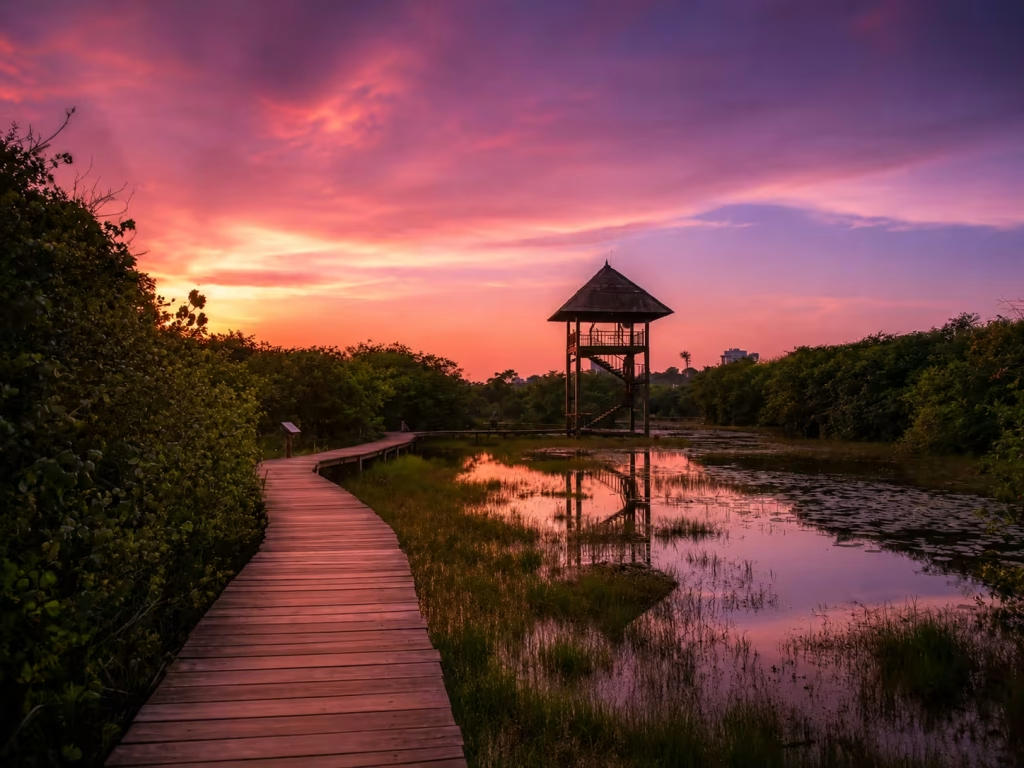
Beddagana Wetland Park offers one of the easiest ways to experience Sri Lanka’s wetland biodiversity without traveling far from the Colombo metropolitan area. Located in Sri Jayewardenepura Kotte, the park protects and interprets part of the wider Diyawanna wetland landscape while providing walking paths, boardwalks and observation areas for visitors.
The Urban Development Authority describes Beddagana as a home for wetland birds, butterflies, dragonflies, fish and other wildlife, and as a living demonstration of why wetlands matter to the livability of cities. That idea is central to the experience. This is not simply a small urban park with decorative ponds. It is a place where visitors can see how natural systems continue to function inside a heavily developed capital region.
Where is Beddagana Wetland Park?
The park is in the Kotte area, close to Sri Lanka’s administrative capital and within practical reach of central Colombo. This makes it particularly useful for travelers with a free morning or afternoon who do not have time for a national park safari.
Travel time depends heavily on Colombo traffic. Leave extra time rather than planning a visit between tight appointments.
Why urban wetlands matter
Wetlands store and move water, support wildlife, influence local temperature and provide ecological space inside cities. In a dense metropolitan region, losing wetland areas can increase pressure on drainage systems and reduce habitat for birds and other species.
Beddagana helps make these functions visible. Instead of learning about urban ecology only through signs, visitors can walk through marsh vegetation, look across open water and observe species using different habitats.
What you can see
The exact wildlife changes by season, time of day and water conditions. Waterbirds, kingfishers, cormorants and other wetland-associated birds may be seen around ponds and channels. Butterflies and dragonflies are often easier to notice once you slow your walking pace.
Do not expect the density of large animals found in a national park. Beddagana is about close observation of an urban ecosystem, not dramatic safari encounters.
Duck Pond and observation areas
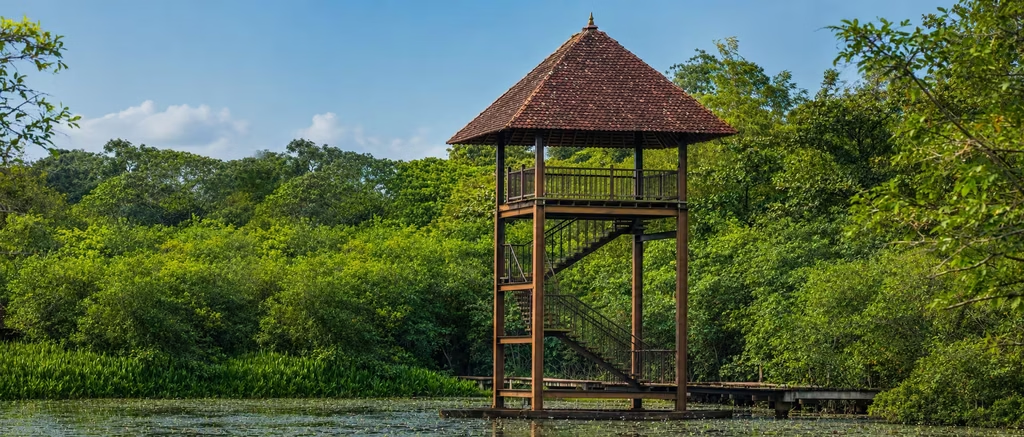
Official park information highlights a Duck Pond used by aquatic birds and a birdwatching tower that provides a broader view over the wetland. These features allow visitors to watch behavior without walking directly into sensitive habitat.
Use binoculars rather than trying to move closer to every bird. A good wetland visit depends on distance and patience.
The forest trail
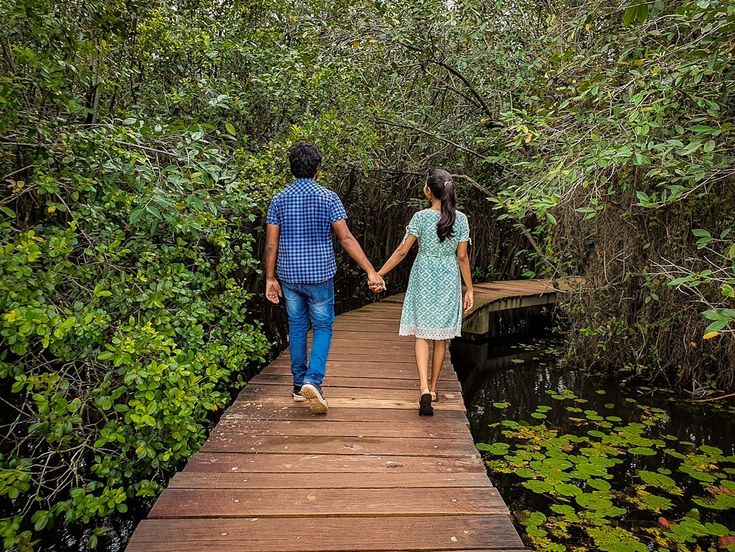
The park’s forested marsh trail introduces another habitat type. Vegetation, climbers, ferns and small animals create a more enclosed atmosphere than the open pond areas. Pay attention to sound as well as sight. Bird calls, insects and movement in vegetation may reveal wildlife that is difficult to see immediately.
Stay on marked routes. Wet ground can be fragile, and leaving the boardwalk or trail can damage plants and disturb animals.
Birdwatching for beginners
You do not need specialist knowledge to enjoy the park. Start by looking at shape, behavior and habitat rather than trying to name every bird instantly. Is it feeding on the water surface, standing at the edge, diving, or hunting from a branch? These observations make identification easier later.
A small pair of binoculars is one of the most useful things you can bring. A bird app or guidebook can help, but keep screen use secondary to actual observation.
Photography
Beddagana is excellent for practicing wildlife photography because subjects may appear close enough for moderate telephoto lenses. Early light can be attractive over the ponds, while overcast conditions often produce softer detail on birds and vegetation.
Do not use playback calls repeatedly to attract birds, and avoid flash close to wildlife. Drones can disturb birds and should never be flown without clear permission.
Best time of day
Early morning and later afternoon are generally comfortable for walking and often active periods for birds. Midday can still be worthwhile, especially if your goal is wetland interpretation rather than species counting.
After heavy rain, paths may be wet and insect activity may increase. Wear suitable footwear and carry repellent if mosquitoes bother you.
How long to spend
Allow around two hours for a relaxed visit. Serious birdwatchers or photographers may stay longer, while a casual visitor can still gain a useful introduction in about an hour.
Moving slowly is more important than covering every path. Wildlife observation improves when you stop regularly.
What to bring
Bring water, sun protection, insect repellent and comfortable walking shoes. Binoculars are strongly recommended. A telephoto lens is useful for photography, while a phone is sufficient for landscapes and educational displays.
Avoid carrying food that produces lots of packaging. Keep snacks sealed and take all waste with you.
Combining Beddagana with Kotte
The park can be part of a broader exploration of Sri Jayewardenepura Kotte, a modern administrative capital built around a landscape of waterways and wetlands. This helps visitors understand that Colombo’s urban region is not one continuous block of concrete.
You can combine the park with cultural or city attractions elsewhere in Colombo, but traffic means it is better to group nearby stops rather than repeatedly crossing the metropolitan area.
Beddagana Wetland Park Weather: 7-Day Forecast
Updated automatically with the latest available forecast for Pita Kotte, Sri Lanka.
- Rain chance
- 98%
- Rainfall
- 3.5 mm
- Wind
- 9 km/h
- UV index
- 7.8
- Sunrise
- 6:02 AM
- Sunset
- 5:49 PM
- Rain chance
- 75%
- Rainfall
- 2.4 mm
- Wind
- 7 km/h
- UV index
- 8.1
- Sunrise
- 6:02 AM
- Sunset
- 5:49 PM
- Rain chance
- 98%
- Rainfall
- 6.2 mm
- Wind
- 11 km/h
- UV index
- 8.0
- Sunrise
- 6:03 AM
- Sunset
- 5:50 PM
- Rain chance
- 100%
- Rainfall
- 6.1 mm
- Wind
- 8 km/h
- UV index
- 7.7
- Sunrise
- 6:03 AM
- Sunset
- 5:50 PM
- Rain chance
- 100%
- Rainfall
- 3.9 mm
- Wind
- 8 km/h
- UV index
- 7.9
- Sunrise
- 6:04 AM
- Sunset
- 5:50 PM
- Rain chance
- 100%
- Rainfall
- 3.9 mm
- Wind
- 12 km/h
- UV index
- 8.0
- Sunrise
- 6:04 AM
- Sunset
- 5:50 PM
- Rain chance
- 94%
- Rainfall
- 6.0 mm
- Wind
- 8 km/h
- UV index
- 8.0
- Sunrise
- 6:05 AM
- Sunset
- 5:50 PM
Responsible wetland behavior
Keep noise low, remain on trails and never feed birds. Feeding changes natural behavior and can attract animals to unsuitable areas. Do not pick flowers, remove plants or collect insects.
If you visit with children, the park can be an excellent environmental lesson, but encourage quiet observation rather than chasing birds along the boardwalk.
Why Beddagana belongs in a Colombo itinerary
Many travelers see Colombo only through hotels, shopping areas, museums and traffic. Beddagana reveals another side of the metropolitan region. Within a short journey, the city opens into marsh, ponds and habitat used by wildlife.
That contrast makes the park more than a place to fill spare time. It explains why the protection of urban wetlands is essential to the long-term health of Colombo and Kotte.
Frequently asked questions
Is Beddagana a national park?
No. It is an urban wetland park and nature-education space in Sri Jayewardenepura Kotte.
Can I see birds there?
Yes. Wetland birds are a major attraction, although species and numbers vary by season and time of day.
How much time do I need?
About two hours is comfortable for most visitors, with longer visits suitable for birdwatchers and photographers.
Is it suitable for children?
Yes, particularly for families interested in nature education, provided children are supervised and stay on designated paths.