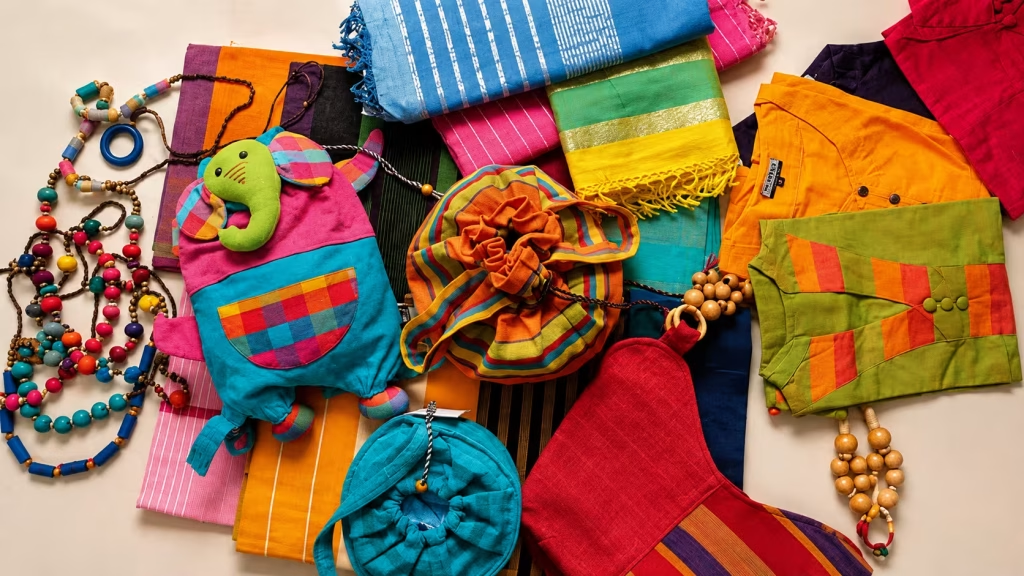
Sri Lankan handloom textiles combine craft, clothing and everyday design. Woven on manually operated looms, they can range from simple cotton fabric to richly colored sarees, sarongs, shawls, table linen, cushion covers and contemporary fashion. The best pieces reveal the rhythm of the loom through texture and small variations that industrial fabric often removes.
Sri Lanka Tourism connects the country’s handloom tradition historically with the Kandyan region and the production of robes for Buddhist monks. Modern production now includes clothing and household textiles for both local use and export. For travelers, handloom is a practical souvenir because it can be beautiful, lightweight and useful rather than purely decorative.
What is handloom weaving?
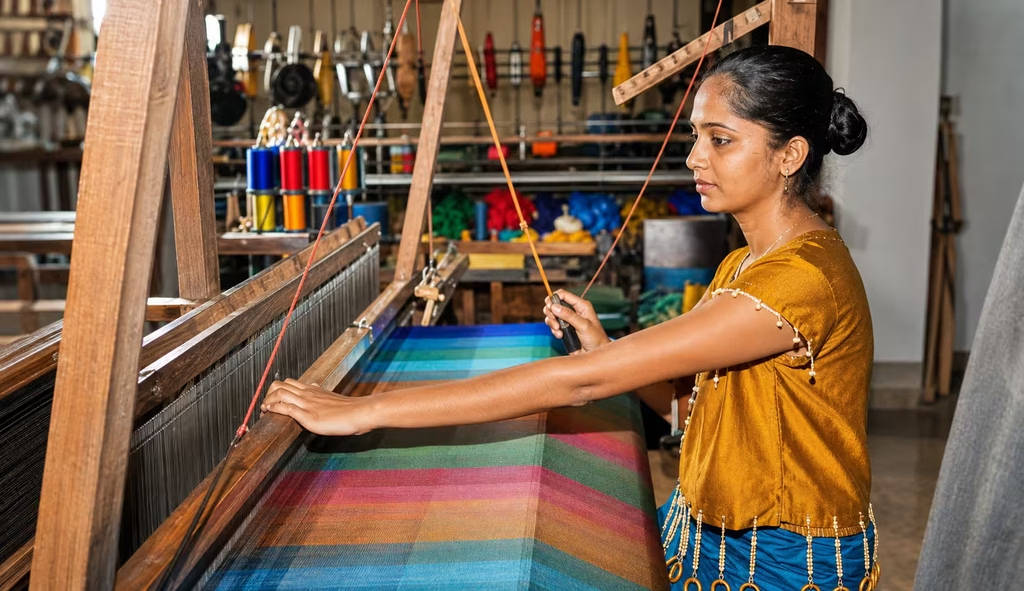
Handloom fabric is woven using a loom operated by human power rather than high-speed industrial machinery. The weaver interlaces warp and weft threads to create fabric, changing colors, patterns and structure according to the design.
The term does not automatically mean every stage is handmade. Yarn may be commercially spun or dyed, while weaving itself is manual. Ask sellers what part of the process was done by hand.
Historical roots
Weaving has a long history in Sri Lanka, including the production of cloth for religious and royal use. Sri Lanka Tourism specifically notes Kandyan associations and robes for Buddhist monks.
Over time, handloom moved beyond ceremonial cloth into household use, fashion and cooperative production.
Modern Sri Lankan handloom
Today designers use handloom fabric for sarees, dresses, shirts, sarongs, bags, scarves and interior products. Contemporary color combinations can look very different from older village styles while still relying on traditional weaving techniques.
This adaptability is one reason the craft remains relevant. Handloom survives not by freezing one historical design, but by continuing to evolve.
Sarees
Handloom sarees are among the most recognizable products. They may use stripes, checks, textured borders or more complex color arrangements.
If buying a saree as a gift, consider the recipient’s preferred colors and whether blouse fabric is included. Ask how the fabric should be washed.

Sarongs
Sarongs are widely worn in Sri Lanka and make practical travel purchases. Handloom versions can be more textured and distinctive than mass-produced fabric.
Check dimensions and weave density. Some decorative sarongs are designed mainly for occasional wear, while others are durable enough for everyday use.
Home textiles
Table runners, placemats, napkins, cushion covers and throws are useful for travelers who do not wear traditional clothing. They also allow craft producers to reach a broader market.
Home textiles are easier to pack than pottery or wood carving and can be excellent gifts.
How patterns are created
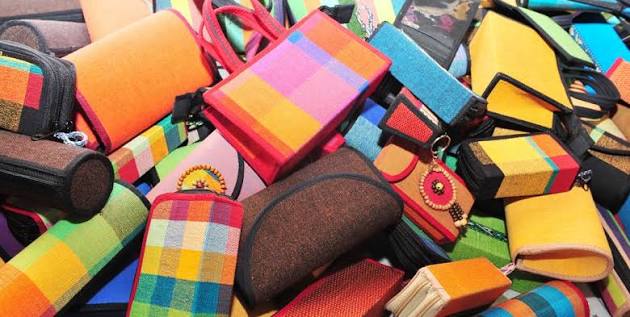
Many handloom patterns are built through thread color and weaving structure rather than printed onto finished cloth. Stripes and checks can therefore be part of the fabric itself.
Look at both sides. Woven patterns often have a different visual quality from surface printing.
Natural and synthetic fibers
Not all handloom fabric is pure cotton. Producers may use cotton, silk blends, rayon or other fibers depending on the product.
Ask for fiber information if comfort, allergies or washing method matter. “Handloom” describes the weaving process, not necessarily the fiber content.
Buying directly from weaving communities
Workshops and cooperatives can offer a stronger connection to the craft because visitors may see looms in operation and learn who made the fabric.
When visiting a working production space, do not interrupt weavers constantly for photographs. Ask permission and listen to explanations about the process.
How to recognize quality
Examine the edges, consistency of the weave, loose threads and finishing. Small variations are normal in handmade fabric, but large structural faults may indicate poor quality.
Good handloom should feel intentionally made rather than unfinished.
Price and value
Handloom can cost more than factory cloth because production is slower and labor-intensive. Price also depends on fiber, complexity and finishing.
Instead of asking only whether a piece is cheap, consider how long it may have taken to weave and whether the maker receives a fair return.
Colorfastness and washing
Ask the seller whether the fabric should be hand-washed, machine-washed or dry-cleaned. Strongly colored items may benefit from being washed separately at first.
Avoid assuming every handcrafted textile requires the same care. The correct method depends on fiber and dye.
Handloom and sustainable travel
Handloom production can support local employment and small-scale manufacturing, but sustainability should not be assumed automatically. Fiber source, dyes, wages and transport all matter.
Choose businesses that can explain where products are made and who benefits from sales.
What to buy for different travelers
A scarf or table runner is easy for a light traveler. Sarees and sarongs suit people who want wearable culture, while cushion covers and throws are useful for home décor.
Buying something you will genuinely use is often more meaningful than purchasing a souvenir that remains in storage.
Packing textiles
Fold fabric loosely, keep it dry and avoid placing heavy sharp objects on embroidered or textured sections. For expensive sarees, retain protective wrapping.
Frequently asked questions
What is Sri Lankan handloom?
It is fabric woven on manually operated looms, used for clothing, household textiles and decorative products.
Is handloom always cotton?
No. Fiber content varies, so ask the seller whether the item uses cotton, silk, rayon or a blend.
What is a good handloom souvenir?
Scarves, sarongs, table runners, cushion covers and sarees are all practical choices depending on your needs.
Where should I buy it?
Reputable craft shops, cooperatives, weaving workshops and design boutiques are good options.
Final planning advice
Check current access arrangements, transport conditions and weather shortly before travel. Opening times, visitor rules and local services can change, especially at religious sites, protected areas and seasonal attractions. Keep enough flexibility in your schedule to adjust without rushing.
A professional Sri Lanka itinerary should balance major sights with rest, meals and realistic road time. Spending longer at fewer places usually creates a more memorable experience than collecting photographs from many destinations in a single day.
Travel preparation checklist
Carry drinking water, sun protection and clothing appropriate to the destination. For temples, keep a modest layer available; for nature areas, choose footwear with grip. Store important documents and electronics securely and avoid depending on one payment method in remote areas.
Use reputable transport and guides, ask before photographing people and follow local instructions. These simple habits improve both safety and the quality of interactions throughout Sri Lanka.