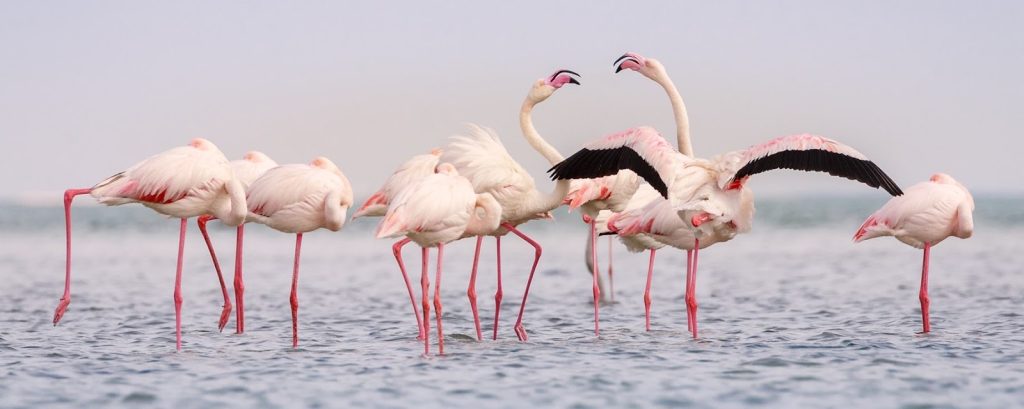
Bundala National Park is one of Sri Lanka’s most important destinations for travelers who care about birds, wetlands and coastal ecology. It is often overshadowed by Yala National Park, which attracts far more attention for leopards and large-mammal safaris. Bundala offers a different experience: shallow lagoons, saltpans, marsh, scrub, dunes and seasonal concentrations of waterbirds.
Bundala was designated as a Wetland of International Importance under the Ramsar Convention in 1990. Ramsar information describes a 6,210-hectare site with four shallow brackish lagoons and saltpans connected by channels, together with marshes, dunes and scrub. It is particularly significant as a wintering area for migratory shorebirds.
Where is Bundala National Park?
Bundala lies in Southern Province near Hambantota and Tissamaharama. Its location makes it easy to combine with the south coast, Yala region or an overland journey between the east and south.
Because it receives fewer visitors than some famous parks, the safari atmosphere can feel quieter, especially outside peak periods.
Why Bundala is important
The park protects a mosaic of wetland and coastal habitats rather than one uniform landscape. Different water depths and salinity levels create feeding opportunities for shorebirds, waders, ducks and other species.
Ramsar identifies Bundala as an especially important wintering site in southern Sri Lanka for migratory shorebirds, with large seasonal gatherings. This international significance makes the park valuable far beyond tourism.
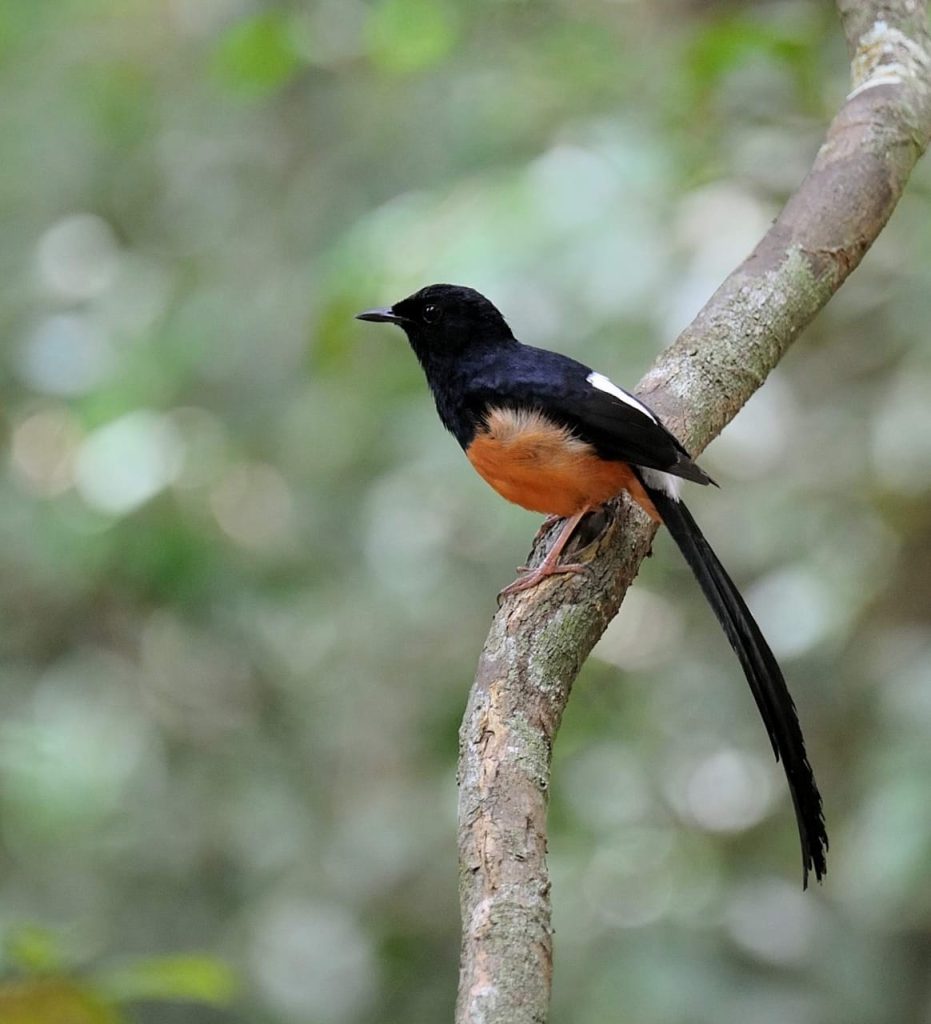
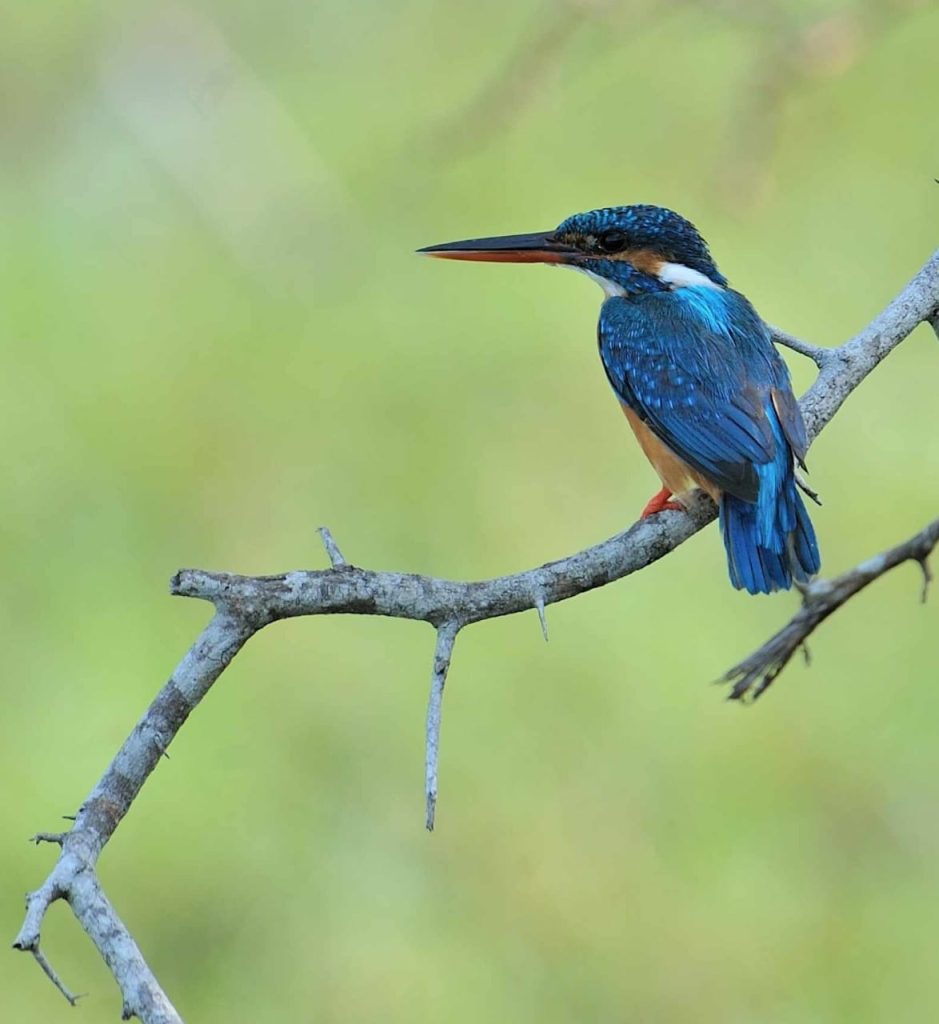
Birdwatching
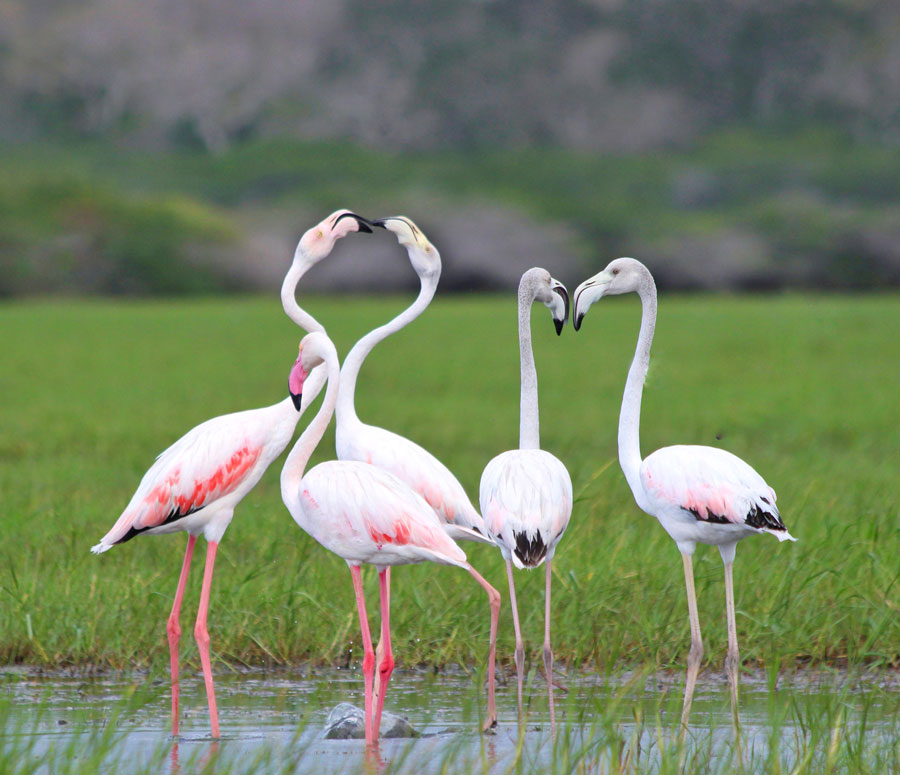
Birds are the main reason many specialists visit Bundala. Depending on the season, visitors may see large groups feeding along mudflats, resting in shallow water or moving between lagoons. Resident species add interest even outside major migration periods.
Binoculars are essential if birding is your priority. A spotting scope can be useful because many birds remain at a distance from safari tracks.
Other wildlife
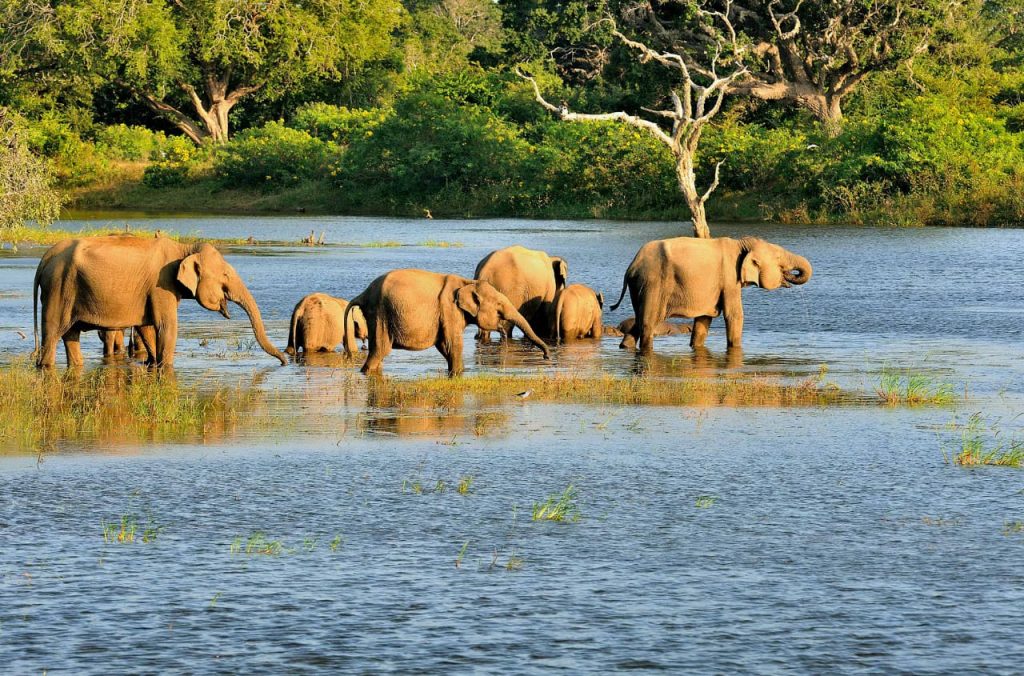
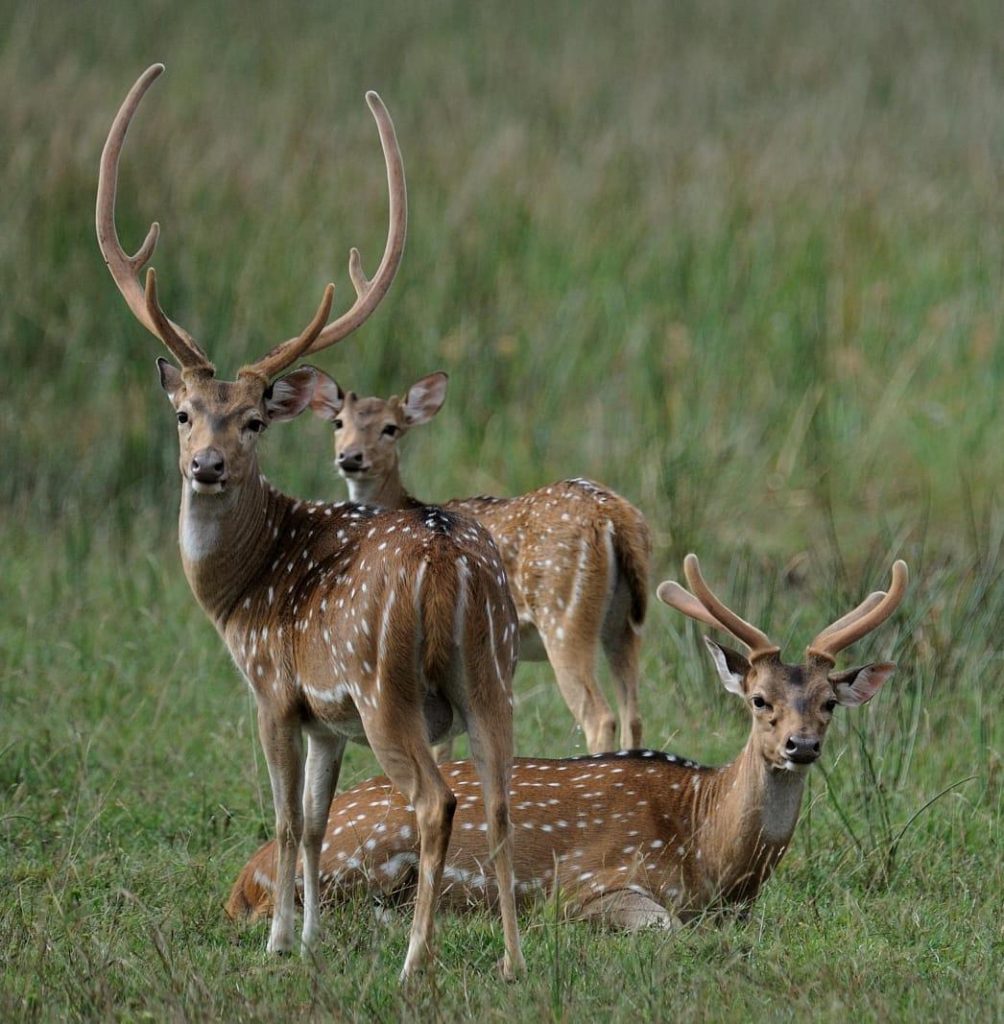
Bundala is not only for birds. The wider ecosystem supports reptiles, mammals and other wildlife, and visitors may encounter elephants, crocodiles, monkeys or smaller species depending on conditions and luck.
No responsible safari should guarantee a particular sighting. Wetland wildlife is mobile, and water levels strongly influence where animals gather.
Bundala versus Yala
Yala is the stronger choice for travelers whose main goal is the possibility of seeing leopards and a broader classic safari experience. Bundala is better for dedicated birdwatchers, wetland enthusiasts and visitors who prefer a quieter park.
If time allows, the two parks complement rather than replace each other. Visiting both reveals very different ecosystems within the same broad region.
Bundala National Park Weather: 7-Day Forecast
Updated automatically with the latest available forecast for Bundala Levagamgoda, Sri Lanka.
- Rain chance
- 76%
- Rainfall
- 0.4 mm
- Wind
- 21 km/h
- UV index
- 8.2
- Sunrise
- 5:56 AM
- Sunset
- 5:45 PM
- Rain chance
- 100%
- Rainfall
- 11.6 mm
- Wind
- 10 km/h
- UV index
- 8.2
- Sunrise
- 5:56 AM
- Sunset
- 5:45 PM
- Rain chance
- 86%
- Rainfall
- 5.5 mm
- Wind
- 14 km/h
- UV index
- 8.2
- Sunrise
- 5:57 AM
- Sunset
- 5:45 PM
- Rain chance
- 86%
- Rainfall
- 9.9 mm
- Wind
- 12 km/h
- UV index
- 8.2
- Sunrise
- 5:57 AM
- Sunset
- 5:46 PM
- Rain chance
- 91%
- Rainfall
- 8.4 mm
- Wind
- 10 km/h
- UV index
- 8.0
- Sunrise
- 5:58 AM
- Sunset
- 5:46 PM
- Rain chance
- 88%
- Rainfall
- 12.6 mm
- Wind
- 9 km/h
- UV index
- 7.8
- Sunrise
- 5:58 AM
- Sunset
- 5:46 PM
- Rain chance
- 75%
- Rainfall
- 0.0 mm
- Wind
- 12 km/h
- UV index
- 8.1
- Sunrise
- 5:58 AM
- Sunset
- 5:46 PM
When to visit for birds
Migratory bird activity is seasonal, with northern-hemisphere migrants reaching Sri Lanka during the cooler months. However, Bundala remains ecologically interesting throughout the year.
Water levels, rain and salinity change the distribution of birds, so one lagoon may be highly active while another appears quiet.
Morning or afternoon safari?
Early morning is excellent for bird activity and cooler temperatures. Late afternoon can provide attractive light and another period of wildlife movement. Midday heat is less comfortable and often harsher for photography.
Your choice should also consider park access arrangements and current local advice.
Safari vehicles and guides
A knowledgeable bird guide can transform the experience by identifying distant species, calls and habitat differences. If birdwatching is your priority, tell the operator before booking so they can match you with an appropriate guide rather than a general safari driver.
Drivers should remain on permitted tracks and avoid crowding animals. Ask about this approach before confirming a tour.
Photography
Bundala is well suited to telephoto photography. Shorebirds may be small and distant, so reach matters more than a wide aperture alone. Beanbags or vehicle supports can help stabilize long lenses.
Do not ask the driver to chase birds into flight. Flushing resting flocks wastes the birds’ energy and can reduce the quality of the experience for everyone.
The lagoons and saltpans
The park’s shallow lagoons are central to its ecology. Brackish water, salt production in the wider landscape and changing water levels create habitats that differ from inland freshwater tanks.
Learning to look at mud, water depth and vegetation can make birdwatching more meaningful because species choose feeding areas based on these conditions.
Coastal dunes and scrub
Bundala also includes drier habitat, dunes and scrub. These areas support species that may not be seen around open lagoons. A good safari therefore involves more than driving from one water body to another.
What to bring
Bring binoculars, water, sun protection and a hat. Neutral clothing can be comfortable and less distracting. A scarf or mask can help with dust on dry tracks.
If using a camera, carry spare batteries and memory cards. Avoid changing lenses frequently in dusty conditions.
Responsible wildlife tourism
Never feed wildlife or encourage drivers to block animals. Keep voices low near bird concentrations, and do not throw litter from the vehicle. Plastics can be especially harmful in wetland environments.
Choose operators who value observation rather than speed. The best Bundala safari is usually one where the vehicle stops often and the guide explains what is happening.
Combining Bundala with an itinerary
Tissamaharama and Hambantota are practical bases. Travelers can combine Bundala with Yala, southern beaches or an east-coast journey. Avoid trying to fit two full safaris and a long road transfer into one day.
Why Bundala deserves more attention
Bundala demonstrates that Sri Lanka’s wildlife appeal is not limited to charismatic mammals. The park is globally important because of water, mudflats, migration routes and the thousands of birds that depend on these habitats.
For travelers who learn to appreciate this quieter ecological story, Bundala can be one of the most rewarding protected areas in the country.
Frequently asked questions
Is Bundala a Ramsar wetland?
Yes. Bundala was designated a Ramsar Site in 1990 and is internationally important for wetland conservation.
Is Bundala good for birdwatching?
Yes. Birdwatching is one of the park’s strongest attractions, particularly during migratory periods.
Can I see elephants?
Elephants occur in the wider park ecosystem, but sightings are never guaranteed.
Should I choose Bundala or Yala?
Choose Bundala for wetlands and birds, Yala for a more conventional large-mammal safari, or visit both if your itinerary allows.