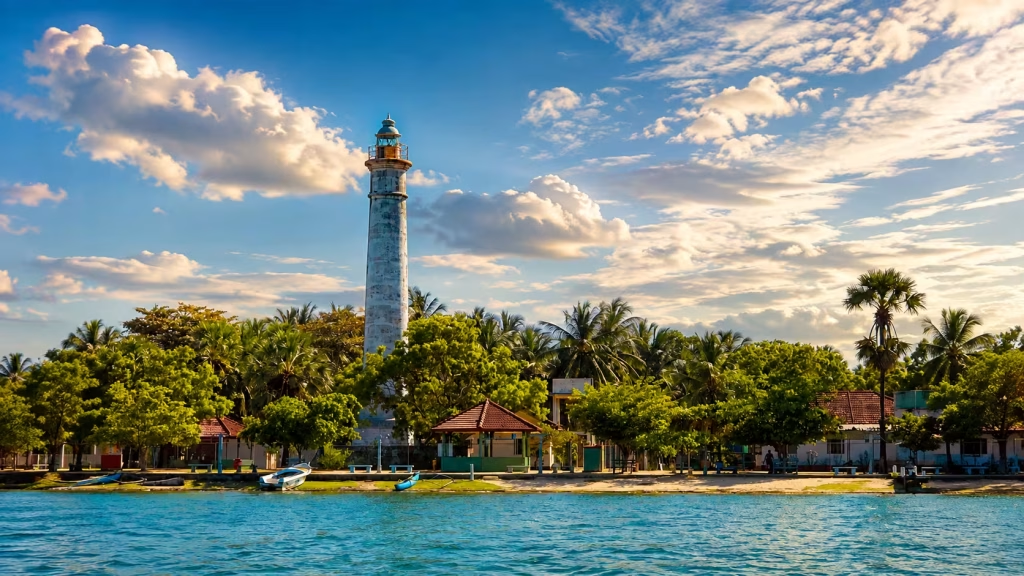
Batticaloa is one of Sri Lanka’s most distinctive east-coast cities because water shapes almost every part of the landscape. The Indian Ocean lies to the east, while lagoons, channels and low coastal land give the city a geography that feels very different from the island’s central highlands or south-western resort belt.
For travelers, Batticaloa offers a combination of beaches, lagoon scenery, Tamil and Muslim cultural life, colonial-era heritage and access to a much wider stretch of Eastern Province. It is less polished as a beach resort than some neighboring destinations, which is exactly why it can be rewarding for visitors interested in a real regional city rather than only a hotel zone.
Where is Batticaloa?
Batticaloa is on Sri Lanka’s eastern coast in Eastern Province. The city and surrounding district occupy low coastal terrain shaped by the ocean and a network of lagoons. Sri Lanka Tourism highlights the city’s position between the Indian Ocean and estuarine lagoon systems.
Its location makes it a useful base for exploring beaches to the north and south as well as inland communities. Travelers moving between Trincomalee and Arugam Bay may also use Batticaloa as a logical stop.
Batticaloa’s lagoon landscape
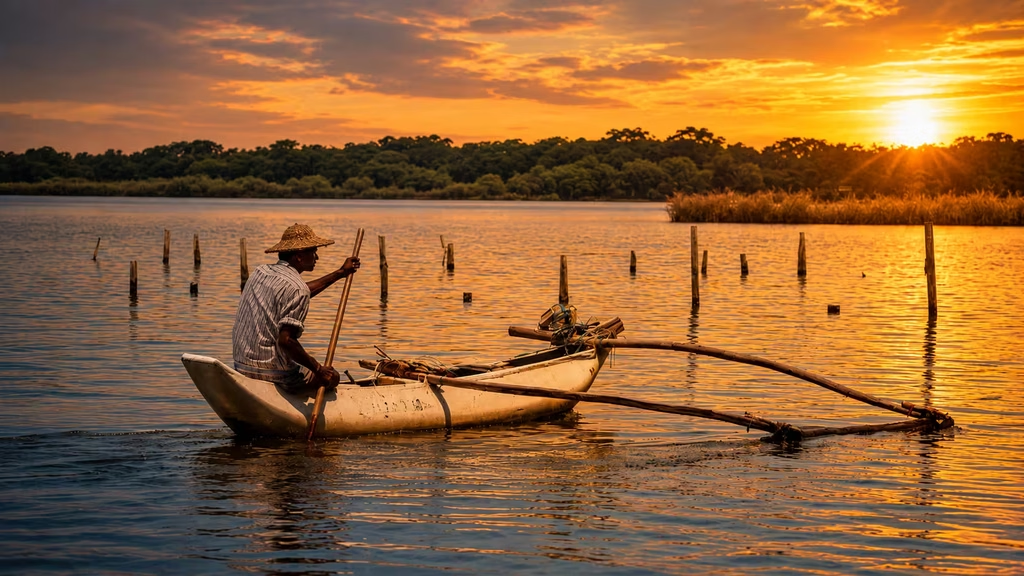
The lagoon is one of the defining features of the city. Bridges, fishing activity, wetlands and low-lying shores create a landscape where urban life and water constantly meet. Sunrise and late afternoon are good times to appreciate the changing light over the lagoon.
Boat trips may be available locally, but choose operators who use safe equipment and respect fishing zones and wildlife. Do not assume that every area of calm water is suitable for swimming.
Batticaloa beaches
The district’s coastline includes sandy beaches and coral-rich marine areas. Sri Lanka Tourism notes that diving and snorkeling can be possible in nearby east-coast waters during the more favorable seasonal period, broadly from late March to the end of October.
Sea conditions vary daily. Ask locally before swimming, snorkeling or diving, and never treat a seasonal guideline as a guarantee of calm water. Beaches without lifeguards require extra caution.
Kallady and the eastern shoreline
Kallady, just outside the central city, is closely associated with Batticaloa’s coastal identity. The bridge and surrounding water views make the area a common local reference point, and nearby coastal stretches give visitors easy access to the Indian Ocean.
Spend time observing rather than rushing from one photo point to another. Fishing boats, cyclists, school traffic and local families are part of the landscape and should be treated with normal courtesy.
The story of Batticaloa’s “singing fish”
Batticaloa is famous for stories about unusual musical or vibrating sounds heard in lagoon waters at certain times. The phenomenon has become part of local folklore and travel identity. It is better approached as a cultural story than as something every traveler is guaranteed to hear.
If a guide discusses the tradition, listen to the local explanation and avoid presenting uncertain scientific claims as established fact. The value of the story lies partly in how communities have interpreted their lagoon environment over generations.
Historic Batticaloa
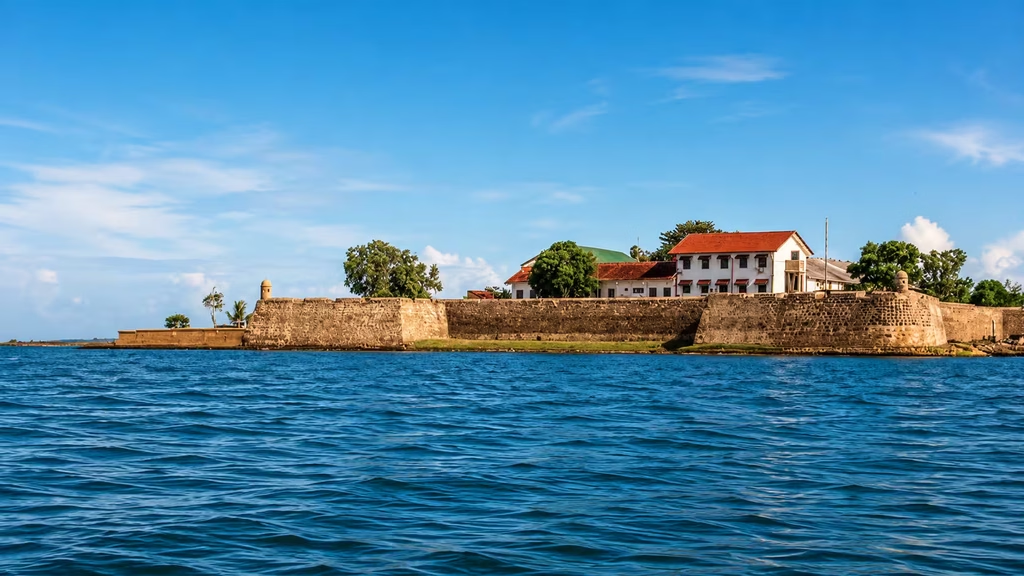
The city has layers of colonial-era history linked to Portuguese, Dutch and British influence. The old fort area is one of the clearest physical reminders of that period. Even if you have already visited Galle Fort, Batticaloa’s scale and setting are different enough to be worthwhile.
Historic structures should be treated as heritage sites rather than climbing frames. Respect barriers, offices and any government functions that may operate in old buildings.
Culture and religion
Batticaloa District has a strong Tamil cultural identity alongside Muslim and other communities. Hindu temples, churches and mosques are part of everyday life. Religious festivals can transform streets with music, processions and crowds.
Visitors should dress respectfully when entering places of worship and ask before photographing ceremonies. Avoid treating religious events as entertainment staged for tourists.
Food in Batticaloa
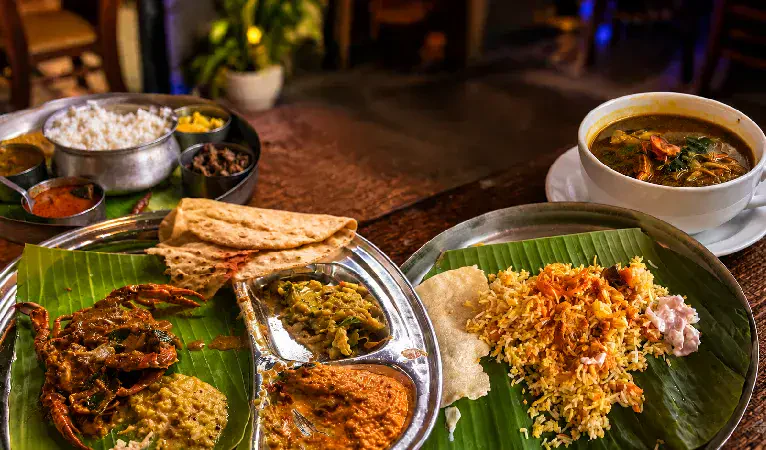
Eastern Sri Lankan food is one of the strongest reasons to spend time in the region. Rice and curry, seafood, coconut-based dishes, snacks and sweets may differ in style from what you have eaten in Colombo or the hill country.
Ask local restaurants what is fresh rather than ordering only familiar international food. If you have dietary restrictions, explain them clearly because ingredients such as dried fish, coconut milk or seafood may be used in dishes that are not obvious from the name.
Pasikudah and Kalkudah as regional excursions
Pasikudah and Kalkudah lie northwest of Batticaloa and are known for beach tourism. Sri Lanka Tourism places Pasikudah at roughly 35 kilometers from Batticaloa. These areas can be visited as a day trip or as a separate overnight stay.
If you want a quieter urban experience in Batticaloa and resort-style beach time elsewhere, splitting your nights between the two areas can work well.
When to visit
The east coast has a different weather pattern from Sri Lanka’s south-west. The period when the sea is generally more favorable for activities is not the same as the main beach season around Bentota or Galle. This is one reason Sri Lanka can offer beach travel in different regions at different times of year.
Always check current forecasts. Heavy rain can affect roads, lagoons and coastal visibility even during a generally suitable season.
Batticaloa Weather: 7-Day Forecast
Updated automatically with the latest available forecast for Batticaloa, Sri Lanka.
- Rain chance
- 76%
- Rainfall
- 1.5 mm
- Wind
- 18 km/h
- UV index
- 8.0
- Sunrise
- 5:57 AM
- Sunset
- 5:41 PM
- Rain chance
- 95%
- Rainfall
- 3.0 mm
- Wind
- 15 km/h
- UV index
- 8.0
- Sunrise
- 5:57 AM
- Sunset
- 5:41 PM
- Rain chance
- 94%
- Rainfall
- 5.6 mm
- Wind
- 15 km/h
- UV index
- 7.6
- Sunrise
- 5:57 AM
- Sunset
- 5:42 PM
- Rain chance
- 96%
- Rainfall
- 13.1 mm
- Wind
- 11 km/h
- UV index
- 7.9
- Sunrise
- 5:58 AM
- Sunset
- 5:42 PM
- Rain chance
- 92%
- Rainfall
- 8.1 mm
- Wind
- 12 km/h
- UV index
- 7.9
- Sunrise
- 5:58 AM
- Sunset
- 5:42 PM
- Rain chance
- 71%
- Rainfall
- 3.9 mm
- Wind
- 10 km/h
- UV index
- 8.0
- Sunrise
- 5:59 AM
- Sunset
- 5:42 PM
- Rain chance
- 73%
- Rainfall
- 7.8 mm
- Wind
- 14 km/h
- UV index
- 8.0
- Sunrise
- 5:59 AM
- Sunset
- 5:42 PM
Getting to Batticaloa
Batticaloa can be reached by road and rail from other parts of Sri Lanka. Long overland journeys are common, so consider breaking the route if you dislike extended travel days. A private vehicle offers flexibility, while trains and buses can be more economical.
Keep a buffer before important onward connections. Road conditions, traffic and weather can alter journey times.
How many days?
Two nights are enough for the city, lagoon and nearby coast. Three or four nights work better if you want a Pasikudah excursion, diving, snorkeling or a slower look at local culture.
Travelers crossing the east coast quickly can stay one night, but doing so reduces Batticaloa to a transport stop and misses much of its character.
Responsible coastal travel
Do not leave plastic or food waste on beaches, and avoid walking on coral or removing shells from sensitive areas. Choose dive and snorkeling operators who emphasize buoyancy control, safe distances from marine life and responsible anchoring.
When photographing fishermen or people working around the lagoon, ask permission. Tourism is only one of many livelihoods in the district.
Frequently asked questions
Is Batticaloa mainly a beach destination?
No. Beaches are important, but the lagoon, city culture, food and history are equally valuable parts of a visit.
When is the east-coast sea generally better for snorkeling?
Sri Lanka Tourism broadly identifies late March through October as a favorable period for diving and snorkeling along this part of the east coast, but daily conditions still need to be checked.
Can I visit Pasikudah from Batticaloa?
Yes. It is a common regional excursion and can also be combined with an overnight beach stay.
How long should I spend in Batticaloa?
Two to three nights provide a comfortable introduction, while longer stays suit travelers adding beach activities or regional excursions.