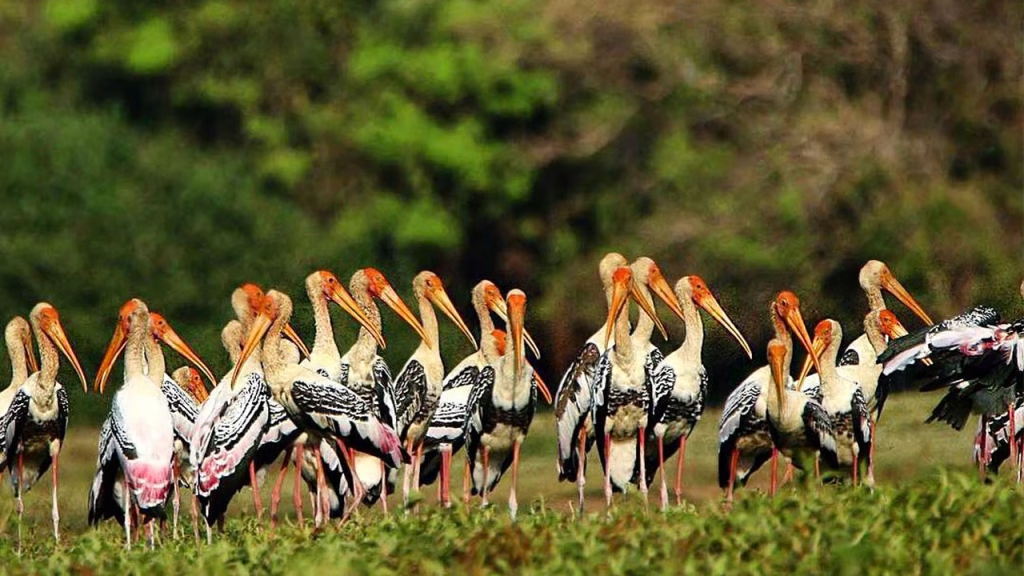
Anawilundawa Wetland Sanctuary is one of Sri Lanka’s internationally recognized wetlands and an excellent place to see how freshwater, coastal and human-shaped landscapes can support rich biodiversity. Located in the north-west of the island, the sanctuary is especially appealing to birdwatchers and travelers who prefer quiet nature experiences over heavily developed attractions.
The wetland is a Ramsar Site, meaning it has been recognized under the international Convention on Wetlands for its ecological importance.
What makes Anawilundawa important?
The Ramsar site covers about 1,397 hectares. Its landscape includes a system of shallow irrigation tanks as well as wetland, mangrove and coastal habitats. This combination provides feeding, nesting and resting areas for a wide range of resident and migratory birds.
The site also illustrates the close relationship between conservation and local livelihoods. Wetlands in this region are not isolated wilderness; they are part of a living landscape shaped by water management, fishing, agriculture and coastal ecology.
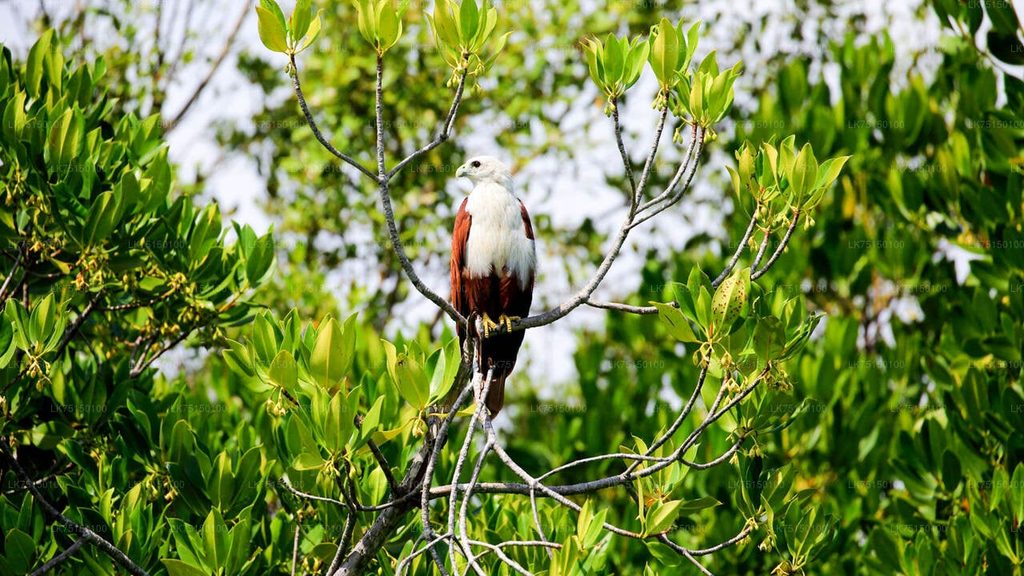
Birdwatching at Anawilundawa
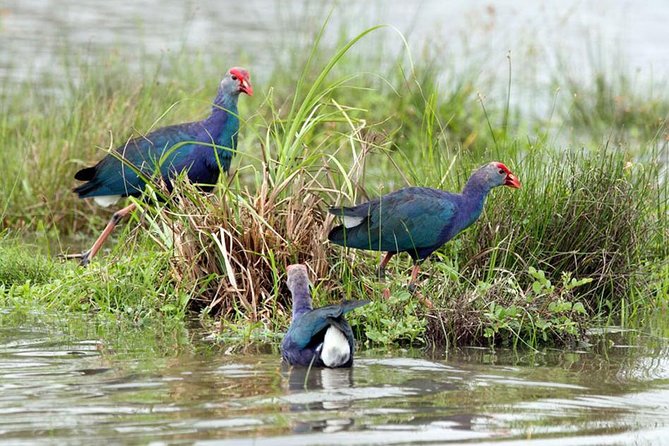
Waterbirds are a major attraction. Depending on the season and water levels, visitors may see herons, egrets, cormorants, storks, kingfishers, rails and other wetland species. Migratory birds add variety during parts of the year.
Bird sightings are never guaranteed, and that is part of responsible wildlife travel. Conditions vary with rainfall, migration and habitat changes. A quiet early visit can improve the experience, but there is no need to chase or disturb birds for a closer photograph.
A landscape of tanks and wetlands
The sanctuary’s cascading tank system is one of its defining features. These bodies of water create a mosaic of open water, marshy edges and vegetated areas. The broader sanctuary also has connections to mangrove restoration and conservation work.
Walk slowly and pay attention to the edges of the water, where bird activity can be easier to observe than in the middle of an open tank.
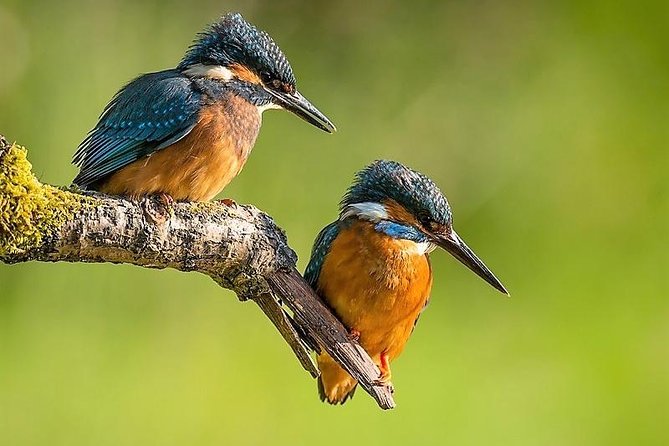
Photography and binoculars
Binoculars will add far more to the visit than trying to approach wildlife closely. For photography, a telephoto lens is useful, but even a phone can capture wide wetland landscapes and reflections.
Avoid playback calls, feeding wildlife or stepping into sensitive vegetation to obtain a photograph. These actions can disturb breeding and feeding behavior.
Planning your visit
Anawilundawa is in the Puttalam District, north of Chilaw. It can be incorporated into a north-west coast itinerary or visited by travelers interested in birding and wetlands.
Facilities may be limited compared with major national parks, so carry drinking water, sun protection and any essentials you need. Conditions can become wet or muddy after rain.
Anawilundawa Weather: 7-Day Forecast
Updated automatically with the latest available forecast for Anawilundawa, Sri Lanka.
- Rain chance
- 98%
- Rainfall
- 1.1 mm
- Wind
- 14 km/h
- UV index
- 7.3
- Sunrise
- 6:04 AM
- Sunset
- 5:48 PM
- Rain chance
- 60%
- Rainfall
- 2.1 mm
- Wind
- 18 km/h
- UV index
- 7.7
- Sunrise
- 6:04 AM
- Sunset
- 5:49 PM
- Rain chance
- 100%
- Rainfall
- 4.4 mm
- Wind
- 15 km/h
- UV index
- 7.8
- Sunrise
- 6:04 AM
- Sunset
- 5:49 PM
- Rain chance
- 100%
- Rainfall
- 5.1 mm
- Wind
- 10 km/h
- UV index
- 7.5
- Sunrise
- 6:05 AM
- Sunset
- 5:49 PM
- Rain chance
- 99%
- Rainfall
- 0.9 mm
- Wind
- 11 km/h
- UV index
- 7.5
- Sunrise
- 6:05 AM
- Sunset
- 5:49 PM
- Rain chance
- 98%
- Rainfall
- 4.8 mm
- Wind
- 14 km/h
- UV index
- 7.8
- Sunrise
- 6:06 AM
- Sunset
- 5:49 PM
- Rain chance
- 90%
- Rainfall
- 7.8 mm
- Wind
- 12 km/h
- UV index
- 7.9
- Sunrise
- 6:06 AM
- Sunset
- 5:50 PM
Responsible wetland travel
Wetlands are especially vulnerable to litter, noise and habitat disturbance. Stay on established routes, do not enter restricted areas and carry all waste out with you. If a local guide or wildlife officer gives instructions, follow them even if another visitor is doing something different.
A wetland shaped by both nature and people
Anawilundawa is especially interesting because its ecological value does not come from one untouched habitat. Freshwater tanks, marshy areas, mangroves, agricultural land and coastal influences interact within the wider landscape. Some of the tanks are part of an old irrigation system, showing how human water management can become integrated into an important habitat over long periods.
This mosaic supports different feeding and resting opportunities for wildlife. Water depth, vegetation and salinity can vary across relatively short distances, so the species seen in one part of the sanctuary may differ from those encountered elsewhere. That is one reason a slow visit is more rewarding than trying to cover the area as quickly as possible.
Why the Ramsar designation matters
The Ramsar Convention recognizes wetlands of international importance. Anawilundawa was designated as a Ramsar Site in 2001 and covers roughly 1,397 hectares. The designation highlights the importance of conserving the ecological character of the wetland rather than treating it simply as vacant or developable land.
For travelers, Ramsar status should encourage a different style of visit. Wildlife is not guaranteed to appear on demand, sensitive habitats should not be entered for photographs, and noise should be minimized. The quality of a wetland experience often comes from patient observation rather than close physical approach.
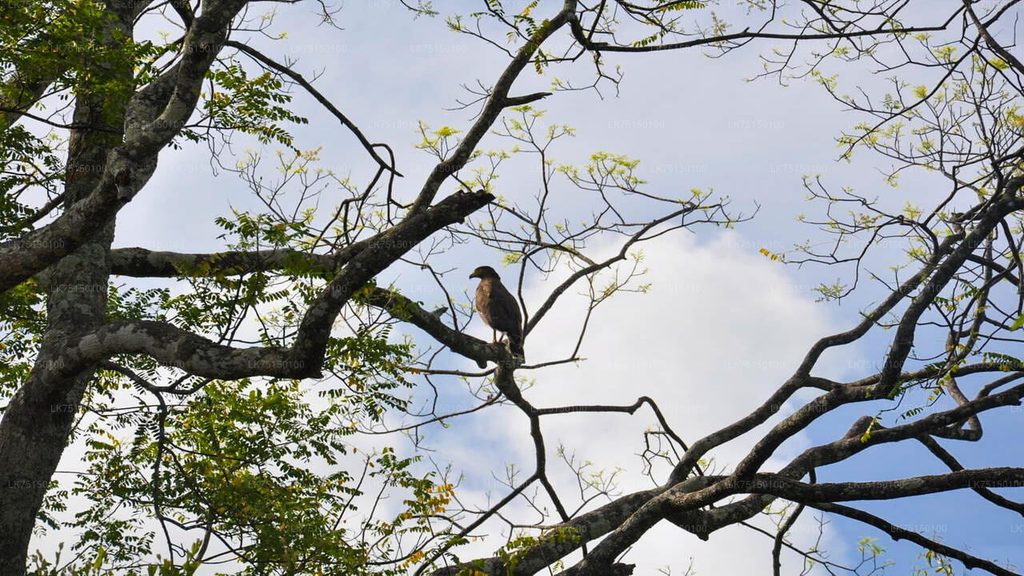
Birdwatching for beginners
You do not need to be able to identify every species to enjoy Anawilundawa. Start by noticing broad groups: wading birds along shallow margins, raptors overhead, waterbirds on open tanks and smaller birds moving through vegetation. Binoculars make a major difference because they let you watch without approaching too closely.
A simple field guide or bird-identification app can help, but avoid spending the entire visit looking at a screen. First observe size, shape, behavior, bill form and habitat. Even if you cannot identify a bird immediately, those notes can help later.
Seasonal change is part of the experience
Wetlands are dynamic. Rainfall, water levels and migratory cycles change what visitors see. A dry-season landscape may expose mud and concentrate some birds around remaining water, while wetter conditions can spread wildlife over a larger area. Migratory species are seasonal, so no responsible guide should promise that a particular bird will always be present.
Early morning is often comfortable for observation and can coincide with active bird behavior, but local weather and access conditions should guide your plans. After heavy rain, tracks may be muddy or flooded.
Mangrove restoration and conservation
Anawilundawa has also become important in discussions about mangrove restoration. Parts of the wider wetland were affected historically by aquaculture development, and recent conservation work has focused on restoring hydrology and encouraging natural mangrove regeneration in degraded areas. The lesson is significant: successful restoration is not simply a matter of planting trees. Water flow, soil condition, species selection and long-term monitoring all matter.
Visitors should not enter restoration plots or disturb young vegetation. Conservation areas may look less dramatic than mature forest, but they represent years of scientific and community work.
What to bring for a comfortable visit
Bring binoculars if possible, drinking water, sun protection, insect repellent and footwear suitable for damp ground. Neutral clothing can be useful for wildlife observation. A telephoto lens is preferable to walking closer to birds, especially around nesting or feeding areas.
There may not be visitor facilities at every point you want to explore, so plan conservatively. Confirm current access locally and avoid assuming that a road or track shown on an online map is suitable for all vehicles.
Responsible wetland photography
Never flush birds repeatedly to obtain flight photographs. Do not use loud playback calls around sensitive species, and keep well away from nests. Drones can disturb wildlife and may be restricted; do not fly one without clear legal permission and ecological consideration.
Why Anawilundawa is worth the detour
The sanctuary offers something different from Sri Lanka’s national parks and famous beaches. It rewards quiet observation, ecological curiosity and an appreciation of landscapes where irrigation history, coastal systems, mangroves and wildlife meet. For travelers who enjoy birding or environmental conservation, it can become one of the more thoughtful stops on the north-western coast.
Frequently asked questions
Is Anawilundawa a Ramsar Site?
Yes. It is internationally recognized under the Ramsar Convention and is identified as Ramsar Site 1078.
Is Anawilundawa only for serious birdwatchers?
No. Nature photographers and travelers interested in wetlands, landscapes and conservation can also enjoy the sanctuary.
Will I definitely see migratory birds?
No wildlife sighting is guaranteed. Species and numbers vary with season, rainfall and habitat conditions.